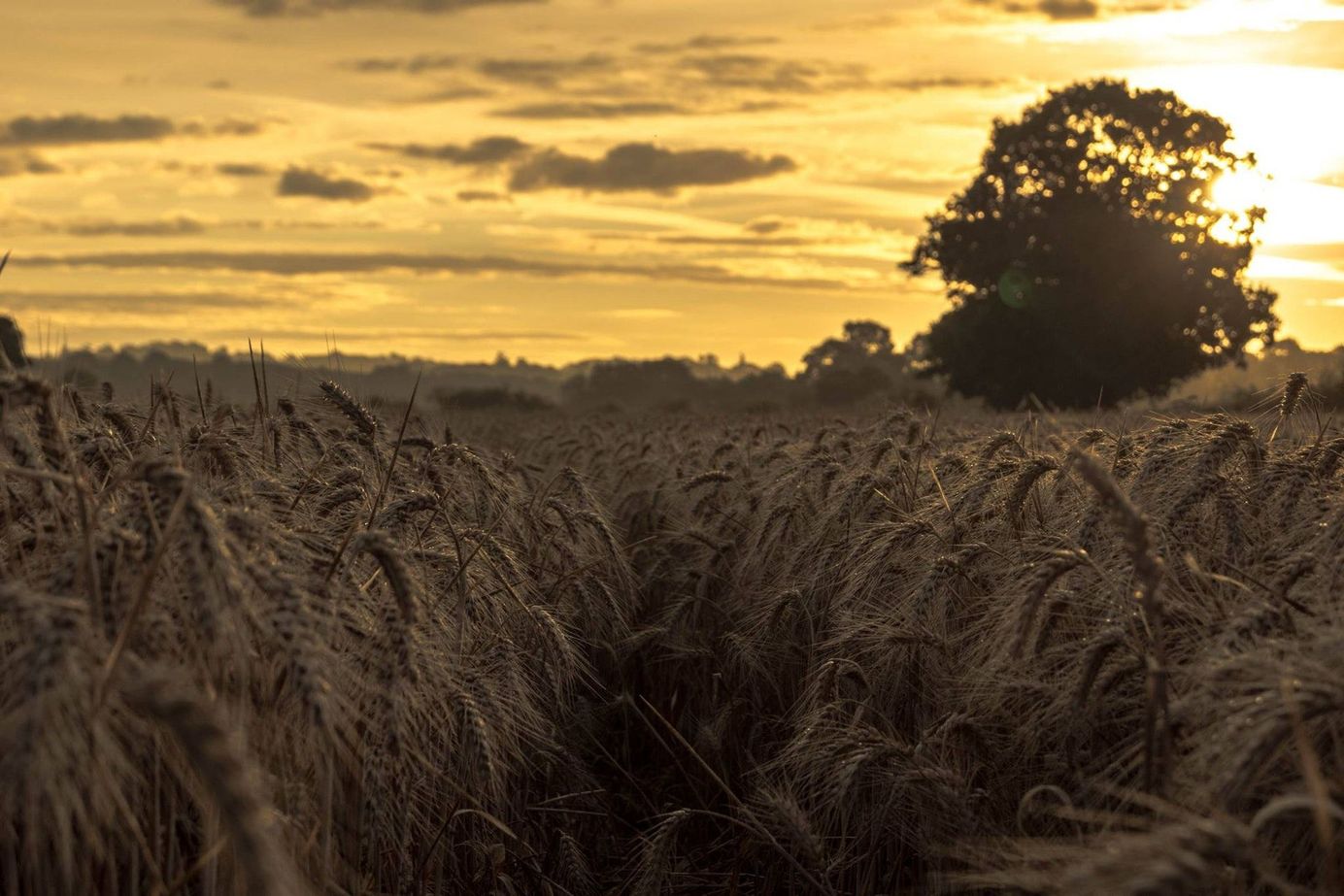
Sustainable Farming & Ancient Oaks
The latest news on nature and conservation in Britain.
Welcome to Inkcap Journal, a newsletter about nature and conservation in Britain. This is the Friday digest, rounding up all the week's news, science, reports, comment and more.
National news
Fertiliser | Environment secretary George Eustice has announced a number of steps to assist farmers with the upcoming growing season, primarily to help with the availability of fertiliser as the crisis in Ukraine drives prices higher. The measures include delaying new restrictions of the use of polluting urea fertiliser, and introducing revised guidance and grants on the use and storage of slurry. Alongside these measures, the government has published further details of the Sustainable Farming Incentive, including offering payment for planting nitrogen-fixing plants and green manures to decrease the UK’s reliance on gas-dependent artificial fertilisers. The government’s announcements follow a letter from the Environment, Food and Rural Affairs Committee to Eustice highlighting the inflation of fertiliser prices and concerns over food security. However, some environmental organisations feel such farming reforms need to go further; the Wildlife Trusts said that the measures are “short-term interventions”, while Sustain said that the government’s actions demonstrate that it is taking a “narrow and shallow approach” to fixing the underlying vulnerabilities of the food sector. The BBC and the Yorkshire Post covered the news.
Sewage | The government has released its latest data on sewage pollution from storm overflows in Britain. In 2021, raw sewage was released for a total of 2.66 million hours across more than 372,500 occasions. This is a small decrease on last year’s figures. “This must change, for our own health as well as that of plants and animals struggling to survive in our polluted waters,” said Richard Benwell of Wildlife and Countryside Link. The Rivers Trust branded the figures as “shocking”. On the same day, the government put out its new plan for reducing storm sewer discharges, although this was also deemed disappointing; the consultation aims to reduce spills by just 40% by 2040.
Bitterns | In happier news, 2021 was another record-breaking year for bitterns, with 228 booming males counted in total, up from 209 in 2019. The restoration, recreation and protection of their wetland habitats is largely to thank for this success. The data was collected by the RSPB and Natural England. The BBC covered the news, while the Guardian contributed some more tongue-in-cheek coverage in its pass notes column.
In other news:
- Environment secretary George Eustice has announced that he will scrap SSSIs and SPAs to create a more streamlined system, reports the Guardian.
- Leading ecologists, conservationists and biodiversity specialists have called on the government to improve the Environment Act in an open letter.
- More than a third of all compost sold in the UK last year contained peat, reports the Guardian.
- Face masks are ruining nature and should no longer be worn, according to environment minister Zac Goldsmith, in comments reported by the Daily Mail.
- Half of all Tory backbench MPs have joined the Conservative Environment Network, reports the Guardian.
Across the country
Eagles | The Dorset Police have called case closed on their investigation into a white-tailed eagle found dead in January. Toxicology results confirmed that the eagle had high levels of a rodenticide in its system, but the police have stated that it was not possible to establish if this was the result of a deliberate act or due to secondary poisoning. As a result, the investigation has been dropped and the police will not disclose the estate on which the bird was found. The RSPB has said it is “completely baffled” by the decision, while the Roy Dennis Foundation said that it hopes that the death of the eagle serves as a reminder of the toxicity of rodenticide and the impacts it can have on wider wildlife. The eagle was oneof those reintroduced on the Isle of Wight, where a successful programme has been taking place since 2019. The Guardian and BirdGuides covered the news.
RSPB statement on the news that @dorsetpolice have abandoned their investigation into the death of a juvenile white-tailed eagle recently found on an estate in Dorset and which had died of Brodifacoum poisoning. pic.twitter.com/eeuqgnZ3Bk
— RSPB Birders (@RSPBbirders) March 29, 2022
Great Yarmouth | If ever a tale encapsulated humankind's inability to accept nature in their lives, it's this one. In Great Yarmouth, the council has agreed to trim back five large oak trees to prevent flocks of starlings roosting in their canopies, after residents complained about the mess on their cars. At least one resident opposed the plans, pointing out the economic benefits brought to the area by people visiting "to witness the stunning murmurations". Another resident said that he hopes the trimming will encourage the starlings to roost "in a less disruptive location". The Eastern Daily Press covered the controversy.
Swanscombe | Proposals to build a theme park on the nationally important wildlife site of Swanscombe Peninsula have been withdrawn, but campaigners stress that the fight to save the biodiversity hotspot is far from over. Although London Resort Company Holdings have withdrawn their application to build the ‘London Resort’ theme park, they plan to resubmit a development application later in the year, according to Kent Wildlife Trust. The Peninsula is an SSSI rich in wildlife, with over 2,000 species of insects and other invertebrates recorded there, including the critically endangered distinguished jumping spider. The Telegraph covered the news.
Elsewhere:
- Somerset Wildlife Trust has launched an ambitious funding appeal for a major wilding project at a former dairy farm on the Somerset Levels.
- Hampshire and Isle of Wight Wildlife Trust has acquired a second dedicated rewilding site on the island.
- A wildlife project in Nottinghamshire aims to restore the county crocus, reports the BBC.
- The police are investigating weekend wildfires on Lancashire’s moorland, believed to be started deliberately. BirdGuides and the Lancashire Evening Post reported the news.
- Surrey Wildlife Trust has high hopes for dormice numbers as hedgerows are spreading across the North Downs.
- The Greater Manchester Combined Authority has officially declared a “biodiversity emergency”, reports ENDS.
- Greater Anglia is planning to redevelop Norfolk railway stations into wildlife gardens to help protect local environments, reports the Eastern Daily Press.
- A wildfire on Gruinard Island in the Inner Hebrides could actually benefit the island by killing off anthrax, according to the Herald.
- A funding cut for Dartmoor National Park Authority has raised concerns for the future of the park, reports the Plymouth Herald.
- Local councils have begun planting trees in Greater Manchester which will form part of a giant forest spanning the width of England, reports the Manchester Evening News.
- The National Trust has acquired a cave in Dorset known for bat ‘speed-dating’, reports the Guardian.
- A study by RSPB Scotland has found that white-tailed eagles provide a tourism boost of millions of pounds to the Isle of Mull. The Press and Journal and BirdGuides covered the research.
- Conservationists have issued a plea to save ground-nesting birds in the New Forest from the destruction caused by recreational activities, reports the BBC.
- South Hams, West Devon and Plymouth City Councils are introducing new planning policies in response to the climate and biodiversity emergencies they have declared, reports the Plymouth Herald.
- Knepp Estate has launched a sustainability-focused Wild Range meat business, reports the Grocer.
- Come summer, the moat around the Tower of London will be filled with a wildflower meadow to celebrate the Queen’s Platinum Jubilee, reports the BBC.
- The Duke of Gloucester helped plant rare plants at Long Mead local wildlife site in Eynsham to help boost Britain's floodplain wildflower meadows, reports the Oxford Mail.
- A woman has been jailed after destroying part of an ancient woodland in Harrietsham to build a caravan site in Maidstone, reports Kent Online.
- A study of mountain hares in the Peak District claims there are 3,500 individuals left in England, reports the BBC.
- A farming firm has been fined £17k for damage to water vole river habitat in Norfolk, reports the Eastern Daily Press.
Reports
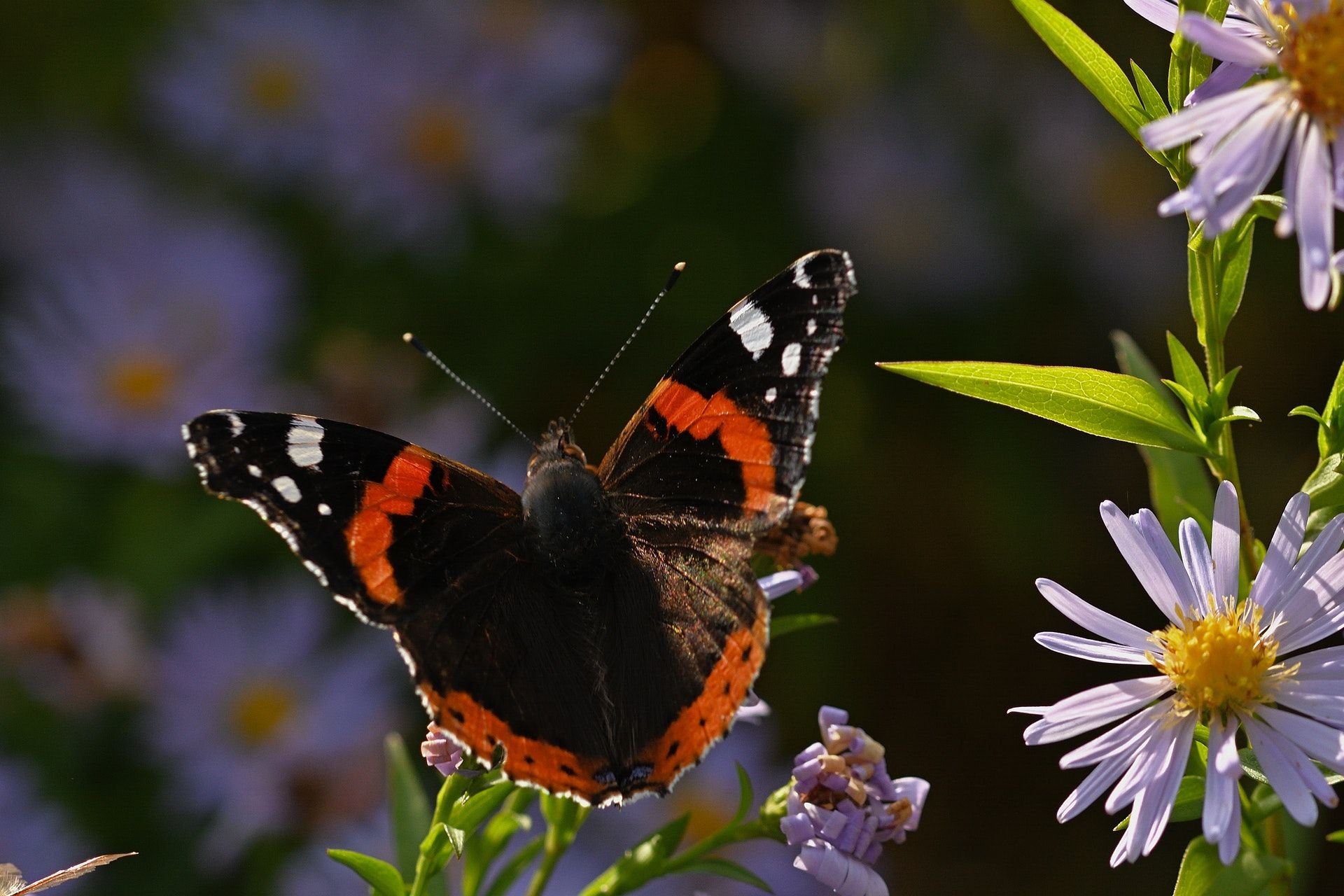
Butterflies | While the overall picture for butterflies is not a positive one, species that are the focus of targeted conservation efforts have done well in the past year, according to the results of the latest annual UK Butterfly Monitoring Scheme (UKBMS). After three good years, 2021 was a below average year for butterflies and the worst since 2017, largely due to one of the coldest and wettest Mays on record. However, there were promising results for threatened species, likely the result of concentrated conservation efforts and positive land management. The Heath Fritillary, one of the UK’s rarest butterflies, has recovered from the brink of extinction after its woodlands were restored, reports the Times. Meanwhile, butterflies in Scotland recorded their tenth best year since records began in 1979, bucking the general trend in England and Wales, reports the Scotsman. The Guardian also covered the report.
Rewilding | A report by rewilding charity Scotland: The Big Picture seeks to understand how conflicting views on rewilding might be impeding ecosystem restoration. Hearts and Minds points out that discussions around rewilding – especially over social media – are often heated and lack tolerance towards different perspectives. To combat this polarisation, the report explores attitudes towards rewilding among farmers, field sport enthusiasts, landowners, rural communities, conservation bodies and the general public, and makes recommendations on how to reconcile opposing views. Peter Cairns, executive director of Scotland: The Big Picture said, “We believe there is much more common ground than is currently portrayed in the popular media, and much to be gained from demystifying rewilding, fostering a more mutually respectful debate, and highlighting the benefits that large-scale nature recovery offers to everyone.” Scottish Field and Dumfries and Galloway What’s Going On covered the research.
Diet | Adapting our diet to eat less meat and more plants would help protect over 500 British species, according to research by the Food Foundation. The third report of their Fruit and Veg Series models the impact of reducing public meat consumption by a third, and increasing plant consumption by one portion per day. The results showed that horticultural land would have to double, but given that it accounts for around three percent of total agricultural land in the UK, the impact on biodiversity would not be significant. However, the reduction in meat consumption would free up large amounts of land, with 536 species gaining more than 10% habitable area. The authors conclude that government strategies to increase veg and decrease meat consumption patterns are needed alongside a new vision for increasing UK horticultural production sustainability. Plant Based News covered the research.
Science
Eggs | Birds are laying their eggs nearly a month earlier due to climate change, according to a paper published in the Journal of Animal Ecology. By comparing recent observations with 100-year-old eggs preserved in museum collections, researchers have determined that around one third of nesting birds in Chicago have moved their egg-laying earlier by an average of 25 days. Researchers found that rising temperatures correlated with the changes in egg-laying dates – most likely due to different plants blooming and insects emerging, affecting the food available for birds. Although egg-laying may seem like a small matter, the authors note that it is these kinds of important nuances that tell us how animals are responding to climate change.
Farmers | A study led by the University of Sheffield explores how policymakers can aim to include a wide range of farmers in the design of the new Environment Land Management (ELM) schemes. Researchers found multiple reasons for why farmers might be reluctant to engage with policymakers, including negative past experiences; a lack of time, interest or trust; and poor internet access. The study outlines methods for increasing engagement, such as improving rural broadband, ensuring engagement results in benefits to farmers, and making forms and resources more accessible. Dr David Rose, co-author of the study, said, “Our research provides tangible actions for Defra on how to help those ‘harder to reach’ farmers who may be least confident about their future and know the least about how to make a successful transition.”
Babies | Exposing babies to the natural world early in life leads to better development and "function of essentially all physiological systems and organs, including the brain," according to a new study, especially for people of low socioeconomic status. This is because regular exposure to the outside world strengthens the gut microbiome of the children. Before modern days, humans lived in caves, shelters and houses built of straw, mud, dung and clay, whereas modern houses develop unusual, even toxic, microbiota. This means that today's children are missing out on the benefits of being surrounded by natural materials, and their health may suffer as a result. Cuddles also helped. The study was covered by i news.
Driftwood
Oaks | The Blenheim Estate in Oxfordshire is using the saplings grown from the acorns of its ancient oak trees – some over 1,000 years old – as the foundation of a new woodland that it is planting across the nearby countryside. Harnessing the genetic lineage of these venerable trees will confer various benefits to the new forest, according to the Good News Network, which covers the story. These old trees will provide the forests with “teachers and knowledge” that will enable the forest to “stay resilient and long-lived, and to overcome climatic shifts and disease.” The BBC also covers the story.
Foraging | Residents from the Cornish town of Lostwithiel are fed up with people foraging their garlic. Both the Guardian and the Times report on the flood of incomers – apparently commercial operations – who are stripping the banks bare to supply restaurants with the newly trendy ingredient. Locals are now planning to patrol the area and report those suspected of foraging on a commercial scale. “If people like to enjoy eating wild plants they could plant some in their gardens and harvest them as needed,” said one resident. “We certainly don’t need restaurateurs stripping our hedges and verges.”
Birds | Try not to be enchanted by this tale in the Guardian of a baby bird that decided to nest in a woman’s hair. Hannah Bourne-Taylor, who was feeling isolated and homesick after moving from the UK to Ghana, found a fledgling finch and started to take care of him. “Each day, he made little ‘nests’ in my hair, on the groove of my collarbone, which filled me with awe,” she writes. “He’d tuck himself under a curtain of hair and gather individual strands with his beak, sculpting them into a round of woven locks, resembling a small nest, then settling inside.” The finch eventually returned to his flock, and Bourne-Taylor returned to Oxfordshire, where she has turned her story into a book.
Further reading:
- Researcher Sophus zu Ermgassen and others write for The Conversation about why new biodiversity net gain rules could fail.
- Welsh cattle farmer Hefin Jones considers the cultural impacts of increasing tree cover in Wales in an interview in Nation.Cymru.
- Nature writer John Lewis-Stempel laments the loss of Britain’s orchards in the Daily Mail.
- New research shows the most calming national parks in the world, and most of them are in Britain, reports The Travel.
- Nation.Cymru profiles Monisha and Vikram Krishna, who are on a mission to save Wales’ ancient woodlands.
- The winners of the Scottish Nature Photography Awards 2021 have been announced. The BBC has published some of the winning shots.
Happy days
Eagle | Every so often, you see something on social media that makes you stop in wonder. After a few weeks of bad white-tailed eagle news, it felt special to see this photograph by the glass artist Dr. Rachel C. Taylor, who had placed one of her works in the setting of Snowdonia, where the bird is locally extinct. Could glass become reality once more?
The dream of a White-tailed #Eagle hunting in #Snowdonia…
— Dr. Rachel C. Taylor (powered by ko-fi) (@fidhw) March 29, 2022
When a piece is finished, sometimes I take the opportunity of photos in this beautiful landscape; it’s a harsh test of the piece, to put it in a natural setting. But, in this case, it feels so right. pic.twitter.com/PytZoibvaI

Subscribe to our newsletter
Members receive our premium weekly digest of nature news from across Britain.
Comments
Sign in or become a Inkcap Journal member to join the conversation.
Just enter your email below to get a log in link.