Pollinator Hope & Scent Dogs
The latest news on nature and conservation in Britain.
Welcome to Inkcap Journal, a newsletter about nature and conservation in Britain. This is the Friday digest, rounding up all the week's news, science, reports, comment and more.
National news
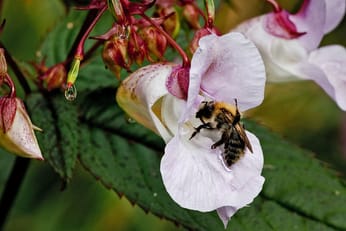
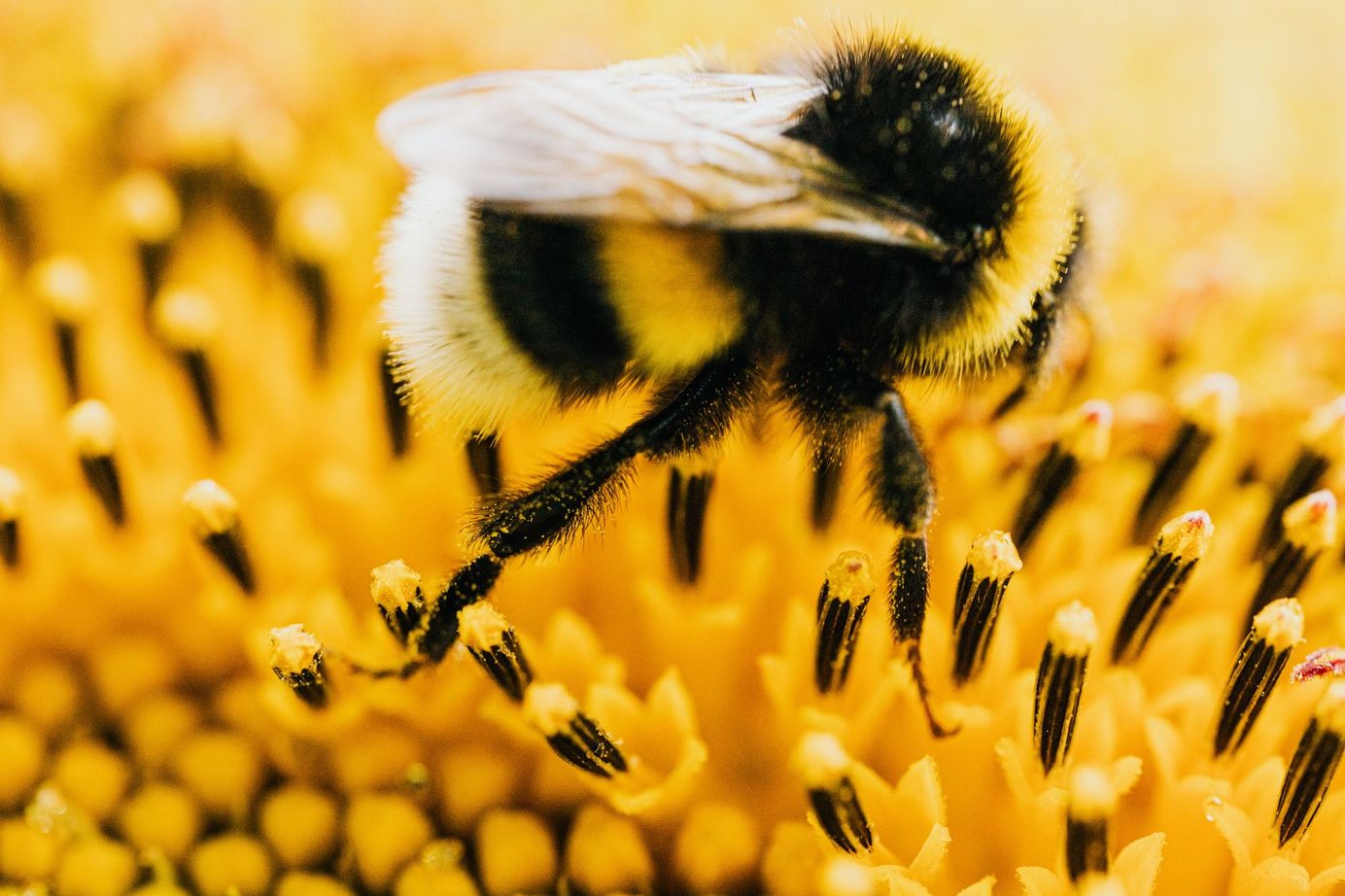
Pollinators | A progress report published by NatureScot suggests that there is hope for pollinators yet. The report highlights the huge amount of work being done by organisations and individuals to implement The Pollinator Strategy for Scotland, which aims to halt and reverse the decline of native pollinators. Despite the challenges of the pandemic, success stories from 2021 included the sowing of dozens of wildflower meadows and improvements to road verge habitat across Scotland. Other projects created ‘wild spaces’ in school grounds, improved community greenspaces for pollinators and established pollinator hotspots. The Press and Journal reported the news. Elsewhere in the UK, a conservation charity is asking Channel Islanders to leave more wild patches across the Bailiwicks to help with declining bee numbers. ITV covered the story.
Levelling Up | The government’s ‘Levelling Up’ reforms must include improving access to nature, according to a major campaign launched by over 60 organisations across nature, planning, health and equality sectors. The Nature for Everyone campaign, which follows the recent publication of the government’s Levelling Up White Paper, calls for a legal right to nature as one of the key components of the reforms, meaning that local authorities could be taken to court for failing to provide healthy green space. The organisations argue that, despite strong evidence that accessible nature-rich spaces boost our physical and mental wellbeing, one in three people in England cannot access nature near their home. The poorest communities are worst off, as they are twice as likely to live in a neighbourhood without nature-rich spaces. Research by Wildlife and Countryside Link found that 80% of the British public support a legal right to local nature, and 85% say it should be a priority for all new housing developments to include accessible natural spaces. The Guardian covered the story.
Shooting | A voluntary phasing out of lead shot in the UK has had almost no impact, according to the Guardian, reporting on the findings of a new paper. According to the new research, which was conducted by scientists at the University of Cambridge, 99.5% of birds killed were found to contain the metal. Shooters are still allowed to use the toxic bullets, even though the material was banned from paint and fuel decades ago. Some shooters complain that steel is more difficult to use, while others worry that abandoning lead would mean they would have to buy new guns.
In other news:
- A major shortage of tree experts is threatening UK planting targets, reports i news.
- Pine martens are to be used as “bouncers” to keep grey squirrels out of the Highlands, reports the Guardian.
- The UK shipped more than 10,000 tonnes of banned pesticides overseas in 2020, according to an investigation in Unearthed.
- The public needs to take responsibility for river pollution, according to the head of the Environment Agency. The Telegraph reported on his speech.
- National Farmers’ Union president Minette Batters has criticised “contradictory” policies for the agricultural sector, reports the Shropshire Star.
- Innocent drinks adverts have been banned after the regulator ruled they misled customers over the firm’s environmental impact, reports the BBC.
Across the country
Bristol | Bristol City Council will prioritise tree-planting in the city’s most deprived areas, reports the Bristol Post. The local authority plans to increase canopy cover across Bristol by 25% by 2030, as part of their One City Plan. By prioritising less affluent areas, the council hopes they can address the uneven distribution of tree cover in the city, which ranges from 9% to 27% depending on the neighbourhood. The council’s cabinet approved the Bristol Tree Strategy earlier this month, which will see £115,000 of funding go towards more trees being planted across the city.
Powys | Powys council has agreed to relax its rules on conflicts of interest so that councillors involved in agriculture can participate in discussions on tree-planting. The concession comes after a previously planned debate on sustainable planting had to be cancelled due to the number of councillors ruled out by their farming connections. Around three quarters of the council’s 73 members would have to declare an interest and not partake, according to The National. Now that dispensation has been granted, the councillors will still be unable to vote on any motion but can speak during meetings – although, due to local government elections taking place in May, the rule has only changed in principle and cannot take effect until the new council is in place.
Cambridgeshire | The National Trust is undertaking its biggest tree-planting project yet, adding 90,000 trees to its Wimpole Estate in Cambridgeshire, reports the BBC. The hope is that the trees will capture carbon, helping the charity to reach its goal of net-zero by 2030. The planting will include 2,000 apple trees, with the team planning to sell the harvest to generate income later down the line. Other species include oak, hornbeam and wild cherry. "We have selected the right areas for tree planting – and are planting the right trees in the right places,” said project manager Jason Sellars.
Elsewhere:
- A 100,000-bird intensive poultry farm near Oswestry could double in size if plans are approved, reports the Shropshire Star.
- More than 500 fish have died within two weeks at Lakeside North Harbour in Cosham, reports the Portsmouth News. The Environment Agency is investigating.
- The historic site of Cowdale Quarry is set to become a new home for wildlife in the Wye Valley, according to the Derbyshire Wildlife Trust.
- Thousands of full water bottles have washed up along the coasts of the Channel Islands, reports the BBC.
- In Cambridge, an apple tree cloned from the one that led Newton to discover the laws of gravity was toppled by Storm Eunice, reports the BBC.
- The impact of recent storms on endangered red squirrels across the north-east of England is being assessed, according to The Chronicle.
- Campaigners have expressed concern that plans for a spine road in Stainsby Country Park would be an “ecological disaster”, reports Teesside Live.
- An independent report has found that intensive chicken farming is contributing to severe pollution in the River Wye, reports the Times.
- A multi-million pound project to transform the River Dee will help the environment, threatened species and paddle boarders, according to the Shropshire Star.
- Energy company SSE Renewables says it wants a sandeel fishing ban around its proposed Berwick Bank wind farm to help prevent a decline in seabirds, reports the BBC.
- Campaigners are fighting to save 60 trees in a Derby park, 24 years after they were last rescued from the axe, the Derby Telegraph reported.
- The sand dunes at Formby beach nature reserve have been largely blown away by storms, reports the BBC.
- Sheffield and Rotherham Wildlife Trust has welcomed Sheffield City Council’s decision to reduce their use of the herbicide glyphosate.
Reports
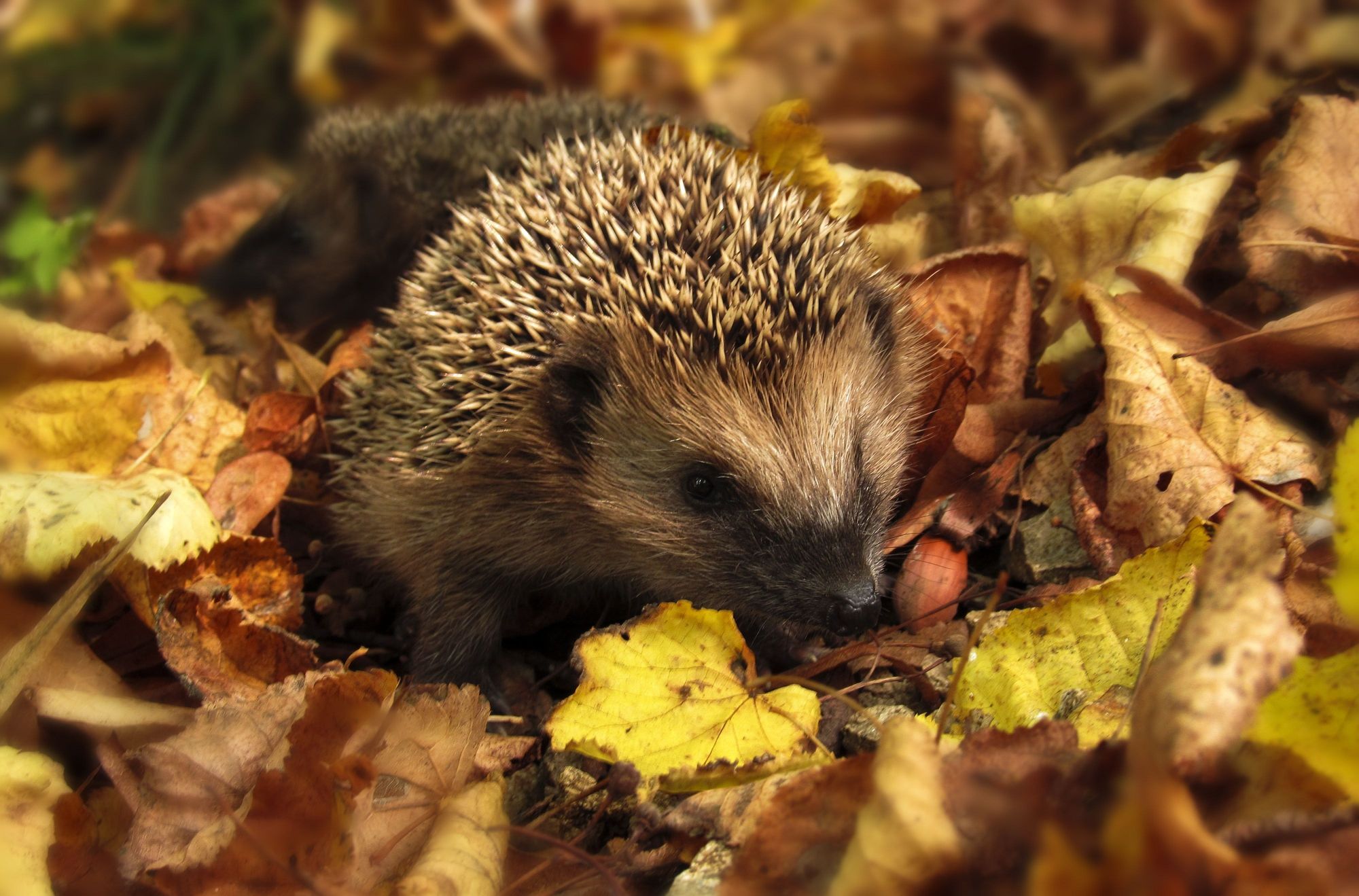
Hedgehogs | Urban hedgehog populations are on the rise but rural hedgehog numbers continue to decline, according to a report on the state of Britain’s hedgehogs. Published by the People’s Trust for Endangered Species and the British Hedgehog Preservation Society, the report is the only comprehensive review of the status of hedgehogs in the UK. Although hedgehog numbers have been declining nationally for decades, the difference between urban and rural populations is becoming increasingly apparent. In urban areas, stable populations are showing signs of recovery; the report highlights the importance of access to gardens and green spaces. On the other hand, rural populations remain low, with numbers having declined by between a third and three-quarters in the last two decades. The largest declines have been seen in the eastern half of England.
Albion | The Conservative Environment Network has published ‘Green Albion’, a collection of essays by Conservative MPs addressing the question of how to restore ‘our green and pleasant land’. Divided into two sections – Nature-Based Solutions and Food & Farming – the essays focus on ways to restore nature, produce food sustainably, and reduce our environmental footprint. They cover a range of habitats, with specific essays on restoring wetlands, protecting peatlands, expanding woodlands, rescuing rivers, and bolstering blue-carbon habitats. CEN says that the collection is a “blueprint for restoring our natural inheritance”.
Peat | Research from The Wildlife Trusts has calculated the alarming climate impact of using peat for gardening. The study estimates that as much as 31m tonnes of CO2 could have been released into the atmosphere since 1990, as a direct result of using peat in gardening and by professional growers of fruit, vegetables and plants. Industry progress towards peat-free alternatives has been slow, and lockdown saw a 9% rise in consumption in line with gardening popularity. On average, annual UK peat sales would fill 29,000 shipping containers. The study also found that the UK ‘offshores’ most of its peatland emissions and damage to wildlife to the countries that sell peat to the UK – emissions that are not currently counted in the UK’s greenhouse gas emissions figures. BirdGuides covered the research.
Science
Dogs | How effectively can scent dogs track seabirds nesting underground? This was the question posed by a study led by the RSPB and published in the journal Seabird. Researchers documented the training, testing and performance of a one-year-old golden retriever, Islay, to detect the scent of European storm petrels; and the ability of a 12-year-old border collie, Dewi, to detect Manx shearwaters breeding in natural burrows and artificial nest boxes. Scent dogs have been used in conservation for decades, but using them to detect seabirds has not been common practice in the UK. The study findings were very promising, with Islay able to pinpoint the location of storm petrels and differentiate them from shearwaters with 100% reliability. Dewi also had a high success rate in finding shearwater nest burrows. The results highlight the currently untapped potential of scent dogs to assist with seabird monitoring in the UK.
Flowers | A study by scientists at the University of Newcastle is the first to show experimentally the impacts of climate change on the reproductive success of wildflowers. The researchers heated fields in the UK by 1.5C with infrared heaters, and measured the impacts on both flowers and pollinators. Although the number of species did not immediately change, plants grew fewer flowers or produced fewer or lighter seeds, forcing insects to visit a greater number of plant species. “Our results demonstrate that climate warming could have severe consequences for some species of wildflowers and their pollinators in agricultural systems, and shows that their community composition is likely to change in the future,” said lead author, Dr Ellen D. Moss. The study appeared in Frontiers in Plant Science, accompanied by an explanatory blog.
Buddhism | A new study in Ecopsychology looks at the links between nature connectedness and the Buddhist concept of non-attachment, and how this impacts pro-nature behaviour. Miles Richardson, the paper’s co-author, has written an explanatory blog – although even this admits that the “thinking underpinning the study is quite involved”. Skipping past all that to the end, the research concludes that practices that foster non-attachment in addition to nature connectedness could help in the development of effective programmes to aid nature’s recovery.
Driftwood
Writing | An essay in The Welsh Agenda examines the impact of the hegemony of white male voices in nature writing, and speaks to some of the writers who are breaking the trend. Writer Grace Quantock is a neurodivergent disabled woman, who realised that her “experience of the world, even of my own body, has been filtered through dead white men.” The article is wide-ranging but also has a Welsh slant, speaking to the Cardiff-based nature writer El Rhodes and addressing how Wales has typically been the “misunderstood destination of English Romantic writers”. A must-read for anyone looking to expand their reading on the natural world.
Cycling | Who wouldn’t want a bicycle made out of wood? Positive News has a feature on Twmpa Cycles, a company based in Hay-on-Wye that manufactures bikes from ash trees, in an attempt to improve the sustainability of the cycling industry. Not only is wood a renewable material, the company has found that it has natural advantages on the road, absorbing vibrations and performing well in high impact crash tests. Having long coveted one of these beautiful BEAMZ bikes, made from coppiced wood, it was interesting to see another company taking the plunge into the world of wooden cycles.
Countryside | During the pandemic, people moved in droves from the city to the countryside, appearing to not understand everything that such a move would entail, leading to a new trend of rural buyers’ remorse. Writer Vron Ware explores this phenomenon in a piece for the Guardian, arguing that a deeper understanding of the countryside could have prevented such a situation. “The English countryside isn’t a blank slate for restless urbanites; nor should it be reduced to an amenity for leisure and recreation,” she writes. “It is a complex and real place, suffused in history, politics, power.” Separately, in Bella Caledonia, researcher Magnus Davidson explores similar themes of power and landscape in a piece on land, green lairds and rewilding.
Further reading:
- Scotland: The Big Picture has an article about the interconnections between woodland and salmon, accompanied by their traditionally excellent photography.
- Sussex Bylines has a feature on how a group of friends stepped up to conserve a Brighton woodland.
- In the Spectator, Ben Goldsmith writes that rewilding needn’t come at the cost of food security.
- BBC Scotland looks at what has happened to the millions of trees lost to the recent storms.
- The Guardian interviews Amy Liptrot, whose new book, The Instant, comes out next week.
- The Guardian has a feature on the benefits of nature for mental health.
Happy days
Models | You might think you love the rural landscape, but do you really love the rural landscape? Do you love it as much as Philip Harvey, the retired civil engineer who has spent the last 63 years constructing a miniature model of the imaginary valley of Amberdale, frozen in the 1890s before the advent of the motorcar? “In the fields, there are stiles and stooks; in the river, boys with jam jars fish for minnows; in the lanes, horsedrawn wagonettes clatter between settlements,” writes the Darlington & Stockton Times, describing the achievement. His model occupies his entire garage – and it is truly magnificent. If you click on any article in this week’s newsletter, make it this one.

Subscribe to our newsletter
Members receive our premium weekly digest of nature news from across Britain.
Comments
Sign in or become a Inkcap Journal member to join the conversation.
Just enter your email below to get a log in link.