Countryside Code & Crustacean Controversy
The latest news on nature and conservation in Britain.
Welcome to Inkcap Journal, a newsletter about nature and conservation in Britain. This is the Friday digest, rounding up all the week's news, science, reports, comment and more.
National news
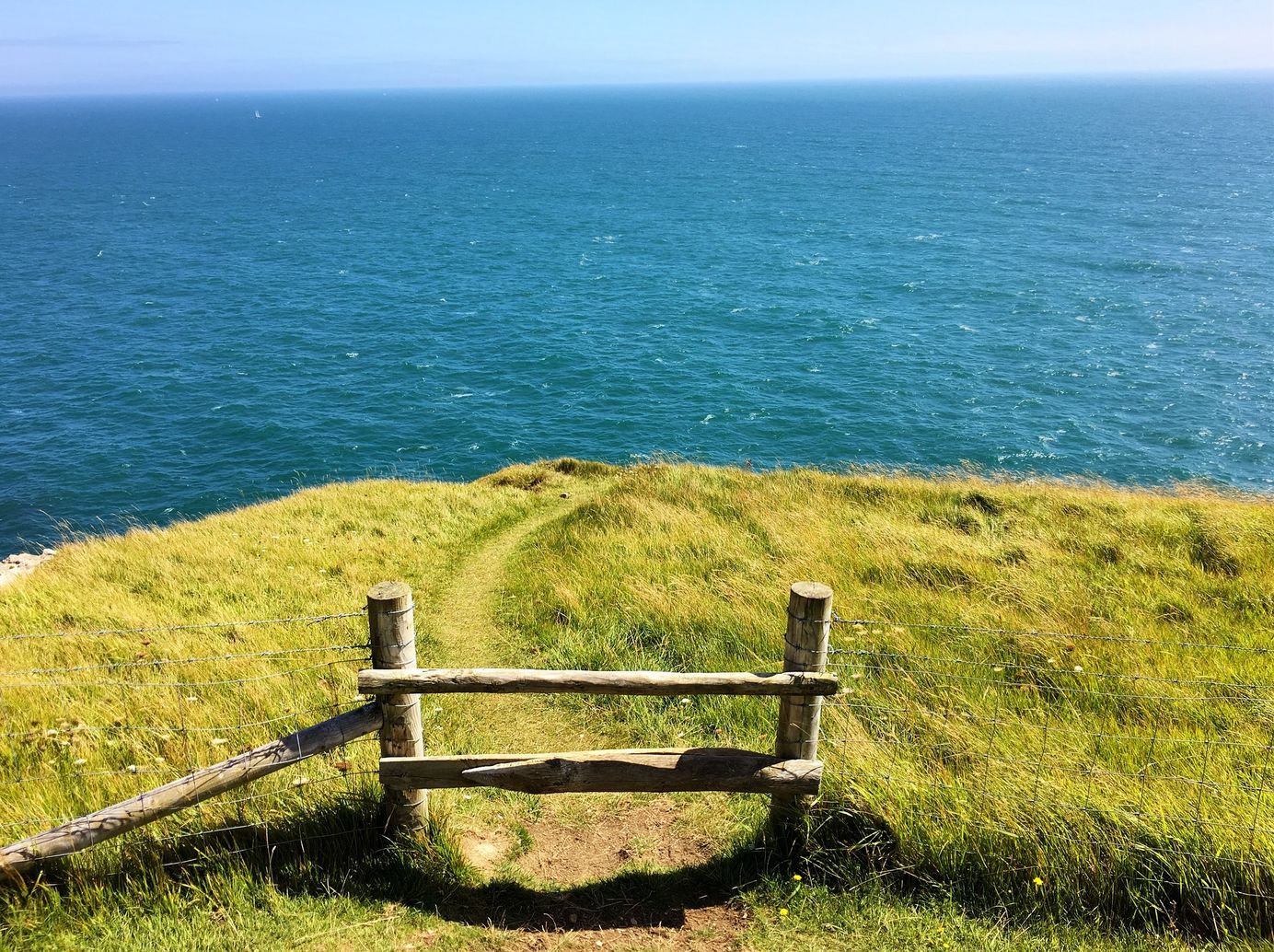
Countryside | Natural England has issued new guidelines for land managers and farmers, published under the Countryside Code. The updates include measures to ensure rights of way are usable and accessible, such as cutting back vegetation, keeping public waterways clear, putting in more accessible gates rather than stiles, and better signage for visitors. It also warns that farmers should only shoot a dog worrying livestock as a last resort. It recommends that land managers who find visitors on their land should ask them if they are lost, since “visitors rarely mean to trespass”, and advises land managers on how to correctly report anti-social behaviour, such as fly-tipping, littering and livestock worrying. The Guardian, the Telegraph and the Times all covered the news.
Swimming | Two popular swimming sites in England could receive designated bathing water status under plans set out in a government consultation this week. These include a portion of the River Thames at Port Meadow in Oxford and East Cowes Esplanade on the Isle of Wight. This status is not awarded to sites because they have achieved a certain water quality, but rather to places that have proven popular among swimmers. It means that the water would henceforth be monitored for quality during the bathing season, with improvements made if they do not reach the required standard. Hugh Tagholm, chief executive of Surfers Against Sewage, said that bathing water status can be a “catalyst for real, systemic change” but that there need to be “hundreds more” over the coming years. The Guardian and the Telegraph covered the news.
Farming | The payments available to farmers converting to organic production have increased dramatically, as the government aims to encourage more sustainable practices. Applications for Countryside Stewardship schemes opened on Tuesday, with subsidies for organic farming rising by between 46% and 500%, according to i news. According to the Soil Association, the market for organic products has grown by 23% since 2019, but the amount of land farmed organically has remained largely the same. In other farming news, the government has published details of its new Lump Sum Exit Scheme – part of its post-Brexit agricultural transition plans – which will see farmers paid to retire.
In other news:
- A new paper explores the impacts of COVID restrictions on the ability to monitor bird populations, reports BirdGuides.
- ITV looks at the progress of ash dieback disease since its appearance was announced by the government one decade ago.
- The discovery of invasive king crabs in British waters proved to be a false alarm, reports BirdGuides.
Across the country
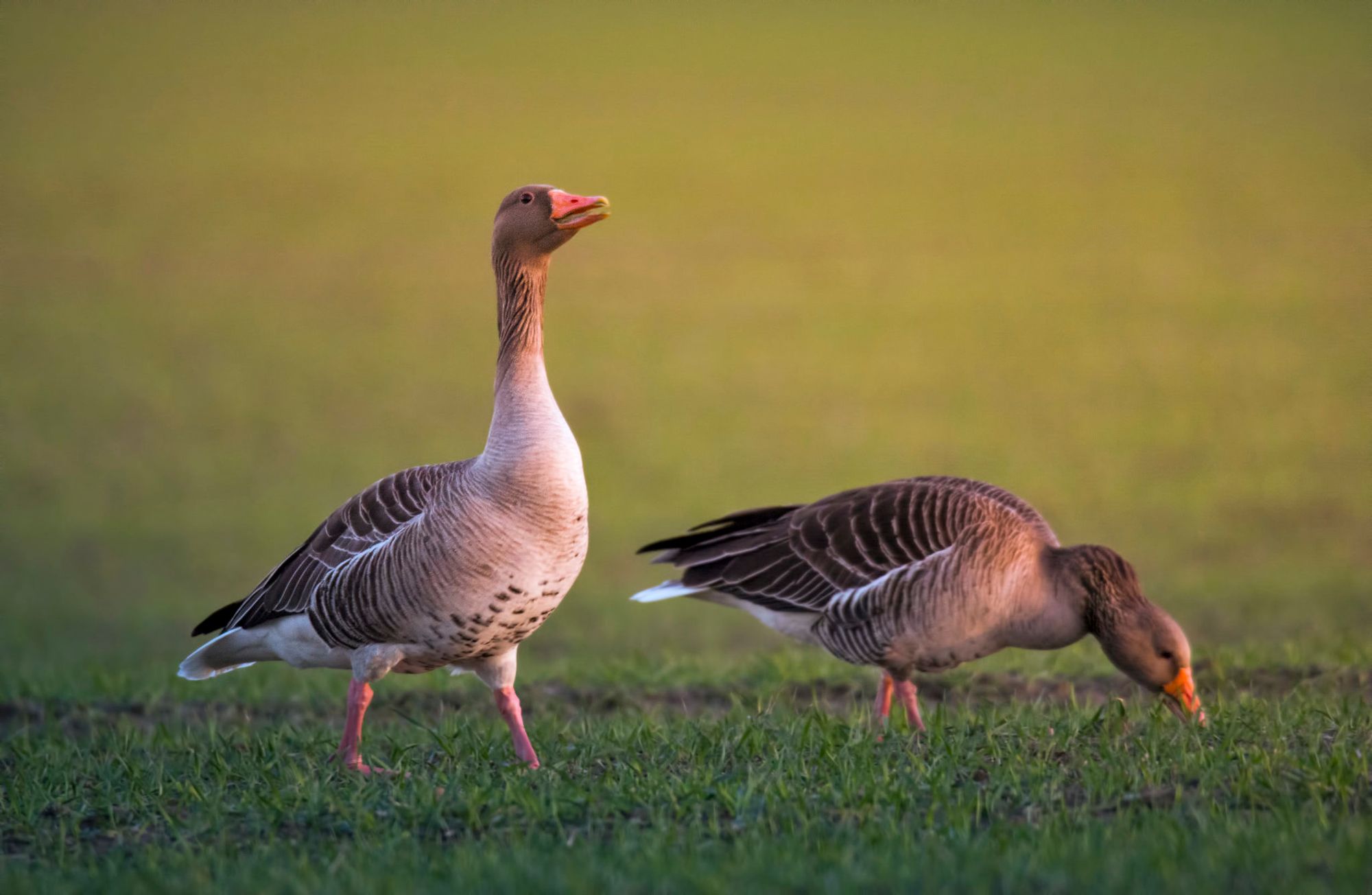
Hebrides | High numbers of greylag geese are a menace for crofters on the Hebridean island of Uist and beyond, according to the chair of the Scottish Crofting Federation, Donald MacKinnon. Since a government-backed culling scheme ended last summer, numbers have doubled to 8,000, and the birds are damaging crops and coastal meadows of machair, reports the BBC. “This will alter the ecosystem to the detriment of the other species we find here. We are seeing the destruction of a world-renowned natural heritage unfolding before our eyes,” MacKinnon said. Environment minister Mairi McAllan has met with the crofters to discuss concerns, but NatureScot stressed that their input was limited to an advisory role only.
Isle of Wight | Police are investigating after two young sea eagles, initially introduced on the Isle of Wight, were found dead in the south of England. One was found in Dorset in late January; the location of the second is unclear, though BirdGuides reports rumours that it could be one of the birds that had settled in West Sussex. Post-mortem and toxicological examinations are being carried out on both birds to discover their cause of death, reports the BBC. Separately, NatureScot has restricted the use of general licences, which allows the control of common birds, on part of the Invercauld Estate in the Cairngorms after evidence of wildlife crimes, including a poisoned golden eagle. According to the BBC, the estate is now considering an appeal.
Teesside | Defra has provided an update on their investigation into the deaths of hundreds of crabs and lobsters found washed up on the North East coast at the end of last year. Investigators found that the deaths were potentially caused by a naturally occurring algal bloom – and that it was unlikely that chemical pollution, sewage or infectious aquatic animal diseases were the cause of the deaths. However, its results were challenged by an independent report paid for by local fishermen. Its author, marine pollution consultant Tim Deere-Jones, claimed there was “no empirical evidence to support the theory that it’s got anything to do with an algal bloom”. After reviewing Defra’s data, obtained via the Freedom of Information Act, he found that samples taken from dead crabs showed “very high concentrations” of the chemical pyridine. Pyridine can be released into the environment as a waste product from industrial processes, and Deere-Jones believes it was likely released by recent dredging of the River Tees. The BBC, Guardian, Yorkshire Post and Northern Echo all reported on Deere-Jones’ findings. Defra’s update notes that a follow-up survey carried out by the Environment Agency in January of this year has shown live healthy crabs present in the area, albeit in reduced numbers.
Elsewhere:
- Rats found on an uninhabited Scillionian island are to be removed due to the risk posed to the island’s seabirds, reports BirdGuides.
- Anglers have been left “heartbroken” as a stretch of the River Tone near Taunton has been stripped of trees to protect nearby properties, reports the Guardian.
- In the Peak District, night-time surveys have shown that the mountain hare population is larger than previously thought, according to Derbyshire Live, while more short-eared owls have been sighted in the South Downs National Park after a boost in vole numbers, reports the Shropshire Star.
- Farmers in Oxfordshire have protested over the County Council’s plans to ban meat and dairy from council events, reports the BBC.
- Herefordshire Council’s leader has urged the government to bring in special measures to protect the River Wye from pollution, reports the BBC. Meanwhile, campaigners are calling for a halt to new intensive farms in order to reduce agricultural pollution in the River Wye catchment, reports the National.
- Natural England has warned that a development on Dane’s Moss Nature Reserve could have a significant effect on the SSSI, according to Cheshire Wildlife Trust.
- The rare Light Crimson Underwing moth, absent from Savernake Forest for 120 years, has returned, announces Butterfly Conservation.
- Natural Resources Wales is reviewing its decision to allow a controversial tree planting scheme in the Cothi Valley, Carmarthenshire, according to Wales Online. The London-based company’s plan to plant conifers to offset their carbon emissions has been met with strong local opposition, reports Wales Farmer.
- Derbyshire County Council has passed a Nature Recovery Motion, but could have gone further, reports the Derbyshire Wildlife Trust.
- A Cumbrian MP has opened the Lake District’s largest native tree and flower nursery at RSPB Haweswater, reports the Cumbria Crack.
- A Cambridgeshire chalk stream is to receive £420,000 by the local council for restoration, reports Cambridgeshire Live.
- More than a dozen new holiday homes are set to be built beside the popular Machynlleth nature reserve in mid-Wales, reports the County Times.
Reports
Farming | WWF has urged the government to support farmers in the shift towards nature-friendly agriculture in a report titled ‘Land of Plenty’. It calls for clear decarbonisation strategies and highlights the untapped potential of sustainable farming. Notably, the report states that British farmers must reduce their production of meat and dairy by a third in the next decade. Tanya Steele, chief executive of WWF-UK, said: “Many UK farmers are already using their skills and expertise to produce food as sustainably as possible, but they won’t be able to fix a broken system on their own.” A Defra spokesperson responded: “We have already set out ambitious plans which will see farmers rewarded for actions which benefit the environment.” The report was covered by the Guardian, Sky News, the Independent and Business Green.
Cars | A new report by Transport for New Homes finds that many new greenfield housing estates are trapping communities into car-dependency, with houses having as many as 2-3 parking spaces each. These take up space, which then results in tiny gardens and few urban trees. In contrast, developments on brownfield sites were generally more suitable for those who wished to walk, cycle or use public transport. The BBC covered the findings.
Woodland | The Woodland Trust has published a comprehensive Woodland Creation Guide, intended to provide a consistent approach for woodland creation projects across the UK. It emphasises the use of native, locally-sourced seeds and trees which will bring the maximum benefit to wildlife. “This is a critical measure if we are to further develop genetic variation, improve resilience, and maintain biosecurity by preventing introduction of pests and diseases via imported tree stock,” the report states. The guide itself is light on technical detail, instead ensuring the “right questions” are asked and aims to inspire “creativity and imagination.”
Science
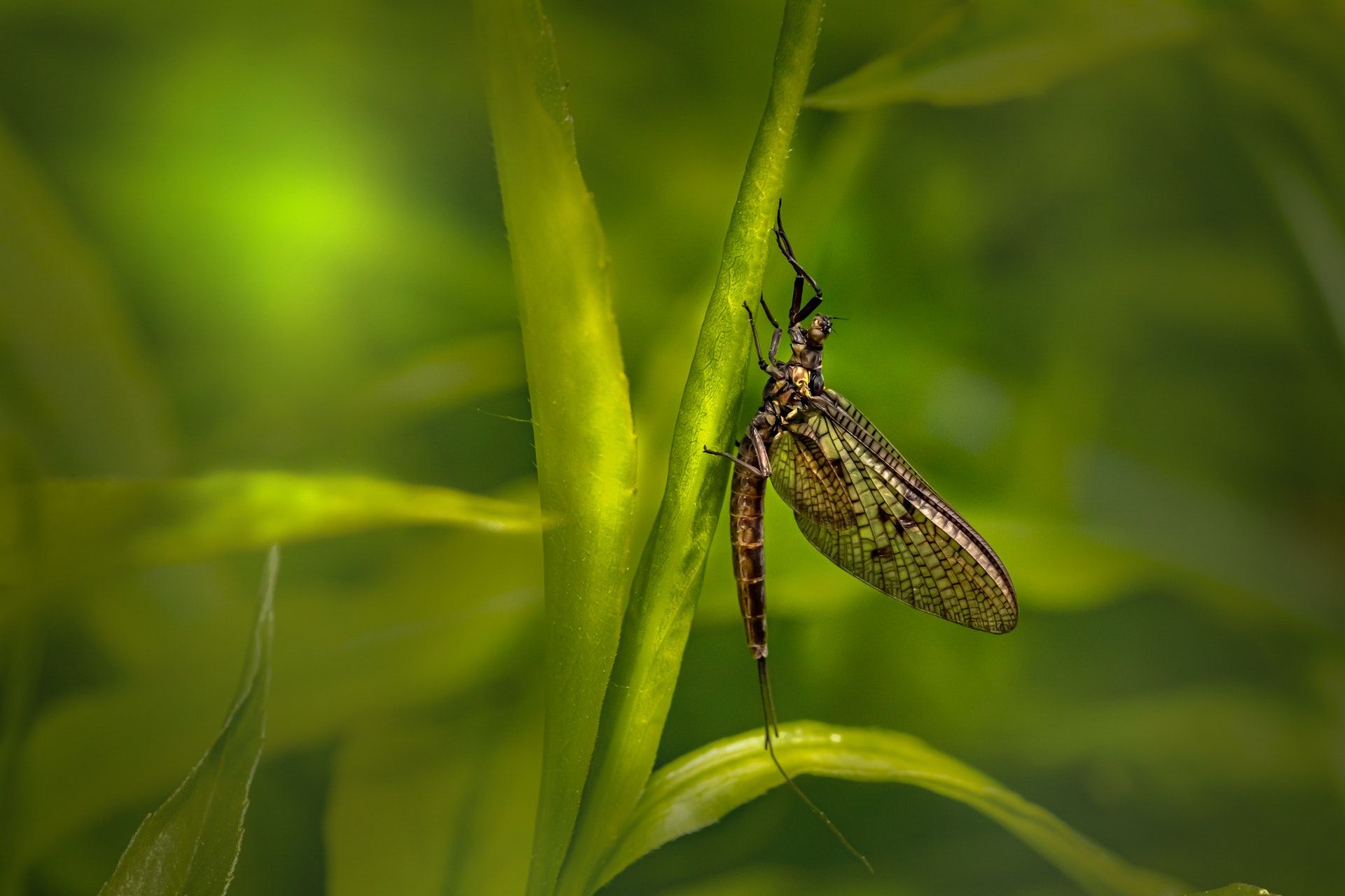
Insects | Insects in British waters are at risk of climate change, according to a study led by Craig Macadam, Buglife’s conservation director. The study analysed 289 British species, and found that 16 species are potentially vulnerable, with freshwater insects particularly at risk. For example, the upland summer mayfly is retreating higher into the hills as water temperatures rise, while the slender curved caddisfly lives in trickles which are prone to drying up as temperatures increase. But Macadam believes that nature can be part of the solution. “We can use the results of this study to target measures such as tree planting to shade and cool rivers and streams giving these insects the best possible chance to adapt and survive,” he said.
Excrement | Dog faeces and urine could be significantly harming nature reserves, according to a study in Ecological Solutions and Evidence. Researchers at Ghent University estimated that each year dog waste adds an average of 11kg of nitrogen and 5kg of phosphorus per hectare to four nature reserves near the Belgian city of Ghent. The added nutrients are substantial enough to be detrimental to biodiversity and ecosystem functioning. In areas near footpaths, the overfertilisation could reach levels illegal on farmland. The study calls for land managers to emphasise the negative effects of dogs, and to encourage visitors to remove their dog waste. Professor Pieter De Frenne said the level of dog ownership is very similar in many countries in western Europe, so he saw no reason why the situation would be different elsewhere. The Guardian and New Scientist covered the study.
Flooding | A paper in the Journal of Flood Risk Management is the first to examine the impacts of beavers on downstream communities. The study aims to elicit and understand human perspectives of the role of beavers in flood management among communities at three sites across England – in Cornwall, Yorkshire and the Forest of Dean. The results identified a wide range of perspectives and value judgements attached to beavers; the researchers conclude that a catchment-based approach to beaver management and public engagement could facilitate deeper recognition of the context for decision-making, and also enable greater awareness and knowledge of beavers within communities.
Driftwood
Fungi | There’s a glaring omission in the UK’s Tree Action Plan: fungi. Yet this kingdom of life is essential – without them, forest systems would not function, write Aileen Baird and Francis Pope, both at the University of Birmingham, in the Conversation. In a new paper, they propose that existing fungal populations should be assessed at both proposed and existing forest sites. “As well as helping to keep trees healthy and storing carbon, this will also develop the list of fungi threatened with extinction and allow their legal protection,” they write.
Countryside | In gal-dem, Yas Necati writes about their experience of moving from London to rural mid-Wales as a trans person of colour. “The Welsh countryside might be a far stretch off from rural Cyprus (I wish it was even half as warm), but being surrounded by trees and rolling hills still feels like a reconnection,” they write. “Unfortunately, with the way things are right now, there aren’t many queer and trans people of colour living outside of big cities, and that means we often experience more discrimination when we are in the countryside… I’m trying to find that safety for myself, trying to thrive out here despite how historically and currently white this town is.”
Trees | The ongoing tension over tree-planting for offsets in rural Wales has made it into the Times. The article features Ian O’Connor, a tenant sheep farmer who had finally had an offer accepted on a piece of land in west Wales – only to be gazumped by a private equity company based in the Shard in London, who planned to instead plant the land with conifers for timber and carbon credits. The farm, Frongoch, is just one of dozens of farms to be targeted by investors, according to the article – NFU Cymru says that it’s aware of 12 Welsh farms that have been sold to investors for afforestation in Carmarthenshire alone.
Further reading:
- Researcher Sophus zu Ermgassen talks about some of the issues facing biodiversity net gain requirements in a blog for the British Ecological Society.
Happy days
Comedy | If you need a pick-me-up this week, Countryfile has compiled a list of the best British countryside comedy films. They have the dual benefit of both humour and soothing panoramas. We’ve not heard of most of these, let alone watched them.

Subscribe to our newsletter
Members receive our premium weekly digest of nature news from across Britain.
Comments
Sign in or become a Inkcap Journal member to join the conversation.
Just enter your email below to get a log in link.