Underwater Bombs & Beaver Psychology
The latest news on nature and conservation in Britain.
Welcome to Inkcap Journal, a newsletter about nature and conservation in Britain. This is the Friday digest, rounding up all the week's news, science, reports, comment and more. Sign up here to get these digests in your inbox every week.
National news
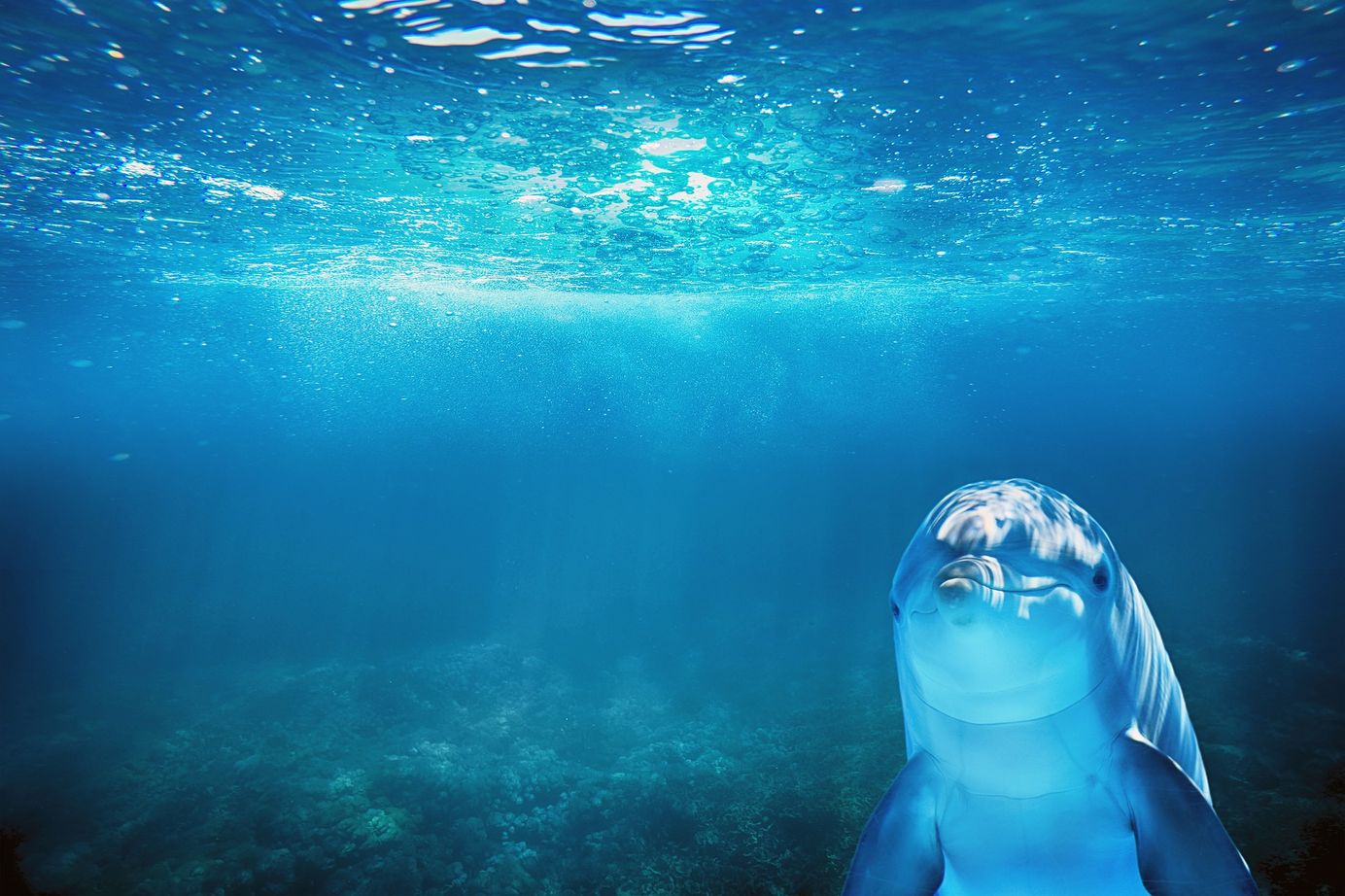
Cetaceans | The government has announced its commitment to protect marine life and prevent damage to the seabed when clearing unexploded bombs. The policy paper, published on Tuesday, follows pressure from the Stop Sea Blasts campaign led by actress Joanna Lumley. It is estimated that there are between 300,000 and 500,000 pieces of unexploded munitions left from WWI and WWII in UK waters, and these need removing to allow for safe working conditions for marine industries. However, the current method risks disturbing, injuring and deafening marine mammals. In a statement, the government “formally recognises the importance of exploring alternative low noise technologies and outlines government preference for the inclusion of these methods”. Lumley called it a “victory for common sense”. The news was covered by the Telegraph.
COP26 | After two weeks of negotiations, COP has finally concluded. What were the outcomes for the natural world? Carbon Brief has a characteristically in-depth account that focuses on food, forests, land use and nature, which is well worth a read. Most pertinently: “Text on the polarising concept of ‘nature-based solutions’ was included in an early draft of the Glasgow Climate Pact, only to be cut and replaced with text ‘emphasising’ the need to protect and restore ‘nature and ecosystems’.” Summarising her thoughts on the conference, RSPB chief executive Beccy Speight wrote about the need for world leaders to put pledges into action now, “because the nature and climate emergency won’t wait for complex political negotiations to conclude.” And Christiana Figueres, the former head of the UN climate body, celebrated COP26 as a step forward for nature, writing in the Guardian that the summit “marks a new push to achieve the necessary land use revolution this decade: from degeneration to regeneration if we are to keep 1.5C in sight.”
Sewage | The Environment Agency and Ofwat have launched a major investigation into sewage treatment works, following an admission from water companies that they may have illegally released untreated sewage into rivers and waterways. The investigation will involve more than 2,000 sewage treatment works – nearly a third of the total number in England and Wales – reports the Guardian, and companies caught breaching their legal permits could face fines or prosecution. Separately, an investigation by The Ferret has revealed emails from Scottish government officials claiming that the country is “way behind” England in solving the problem of sewage spilling into rivers.
In other news:
- A new bill in the Senedd provides a rare opportunity for all parties to unite in fashioning a secure and sustainable future for food in Wales, according to a piece in Business Live.
- Another motion in the Senedd seeks to ensure that only active farmers in Wales can apply for funding through a government woodland creation scheme, reports WalesOnline.
- The Wildlife Trusts are celebrating the news that the eastern leg of HS2 has been scrapped.
- The EU and the UK are shipping thousands of tonnes of bee-harming neonicotinoid pesticides to poorer countries, according to an investigation by Unearthed.
- The Rare Breeds Survival Trust is calling for greater recognition for Scotland’s rare native livestock in protecting biodiversity, reports the BBC.
- The government has announced a £27 million fund to help farmers invest in productivity-boosting equipment.
Across the country
Cumbria | Plans to cut down trees on Duddon Mosses in west Cumbria have been met with fierce local opposition, reports the BBC. Natural England wants to fell trees on an area of ancient peat mossland in order to re-wet and restore the bog, but residents and local politicians claim that the habitat alteration could threaten endangered wildlife such as hazel dormice, red squirrel and Natterjack toads. Cumbria County councillor Matt Brereton has started a petition calling on Natural England to put the work on hold until "a proper consultation process has been held".
Newark | Protesters in Newark have claimed a victory in their efforts to save four mature trees outside the city library. The sycamores were set to be felled to make way for a car-park extension, but after a night camped out to stop any work being carried out, the protesters were greeted with the news that the landowner offered a new deal that would preserve the trees. Confirmation of the trees’ fate is subject to council agreement, but campaigners have been promised that nothing will happen before the full council considers the matter. Deputy leader of the council, Keith Girling, said, "There is still a cost to the council but from my point of view, the people have spoken and we will listen to them.” The BBC and Newark Advertiser covered the news.
Swanscombe | Wildlife charities are calling for the withdrawal of a major theme park planning application after Swanscombe Marshes was awarded special protection status. Organisations including RSPB, Buglife, CPRE Kent, Kent Wildlife Trust and Save Swanscombe Peninsula are working together to fight the construction of the London Resort, which they say would destroy a nationally important wildlife site. In particular, Swanscombe supports a high number of breeding birds including the elusive grasshopper warbler, nightingale, cuckoo, marsh harrier and black redstart. Jamie Robins, project manager at Buglife, said that the designation as an SSI “should dispel any notion that it should be anything but a haven for nature and the local community.” Buglife published a blog on the topic.
Elsewhere:
- Councillors have put forward a motion to stop raw sewage being dumped into the Plymouth Sound, reports Plymouth Live.
- The Manx Wildlife Trust has opposed a £100m marina complex development in Ramsey, reports the BBC.
- In Alderney, an invasive sour fig plant is causing an ‘environmental emergency’, reports the BBC.
- In South Staffordshire, an action group battling to save the green belt have accused the district council’s housing targets of being ‘out of date’, reports the Express & Star.
- An independent inquiry into the Sheffield tree-felling debacle will be launched next year, reports the Yorkshire Post.
- A Yorkshire nature reserve has been saved by the council’s £1 purchase, reports BirdGuides.
- One of the peregrine falcons known to roost at Norwich Cathedral has died after colliding with a car, reports the Eastern Daily Press.
- The boundary to prevent the spread of a tree disease in Devon and Cornwall is being extended, reports the BBC.
- A conservation project hopes to reintroduce cranes to wetlands in the Cairngorms, according to the BBC.
- Hull council are recruiting more grounds maintenance jobs in order to adapt to changing weather patterns, reports Hull Live.
- Controversial plans for a 110,000-bird chicken farm in Powys are expected to be approved by councillors, according to the Shropshire Star.
Reports
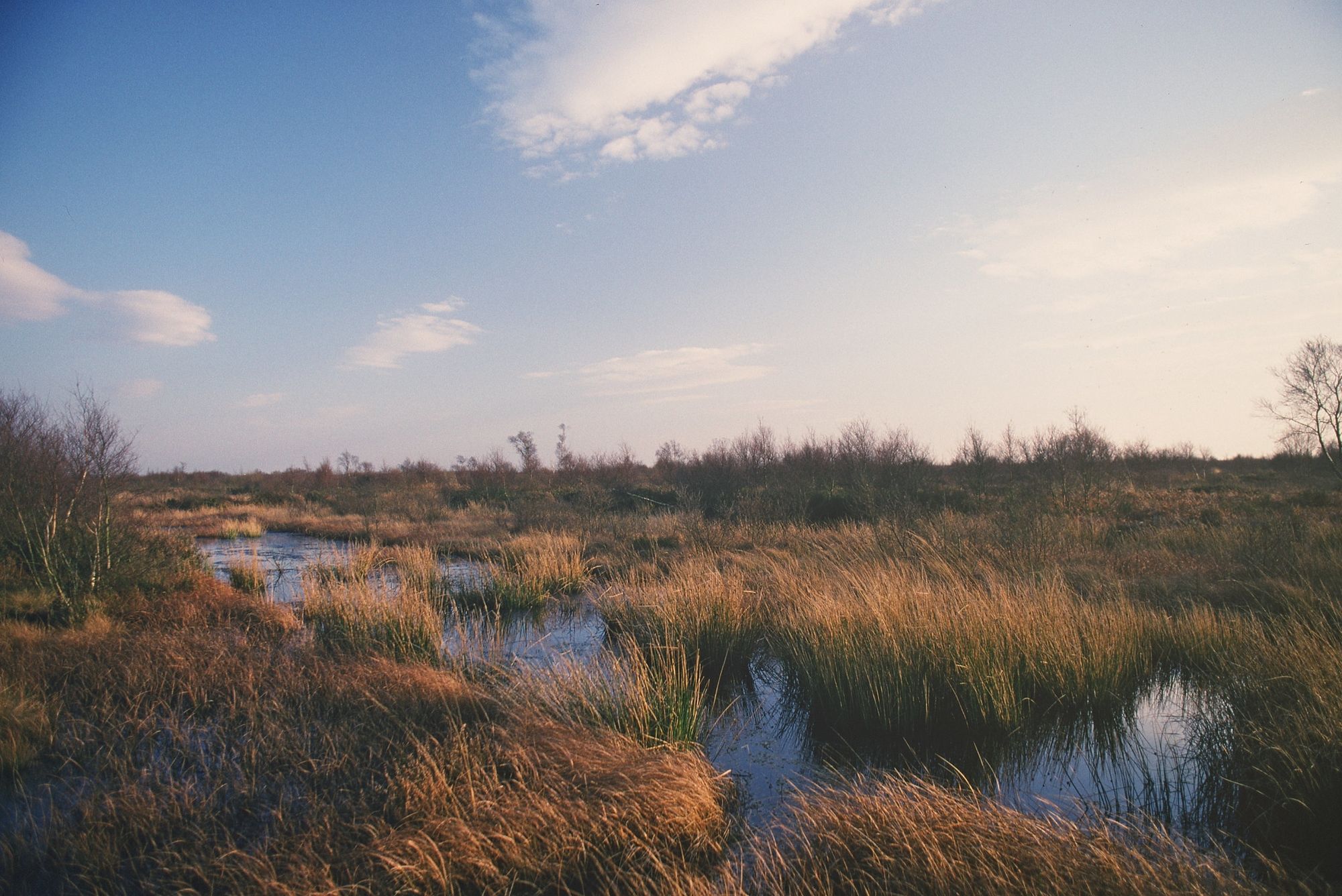
Peat | Around one million acres of England’s peat is owned by just 124 landowners, according to a report that has been researched and written by Guy Shrubsole as part of his Who Owns England project. This represents around 60% of the total peat soils in England. The ownership of upland peat areas is dominated by grouse moor estates, the largest of which is the Raby Estate. Why does this information matter? Because restoring peat is vital to tackling climate change, but this will require engaging with and influencing the people who own them. The report was covered by the Guardian.
Birds | A report on breeding bird populations in the EU and UK reveals that 600 million birds have been lost since 1980. The report, which was conducted by the RSPB, BirdLife International and the Czech Society for Ornithology, estimates the change in total number of breeding birds between 1980 and 2017. More abundant species have been the worst hit, with the largest drop in population seen in the house sparrow with 247 million fewer individuals, half of its previous population. The house sparrow is followed by yellow wagtail with 97m, starling with 75m, and skylark with 68m fewer individuals. The rate of decline has slowed in the last decade, possibly due to directives in the EU that provide legal protection to priority species and habitats. However, the RSPB’s press release stresses that “there is an urgent need to conserve birds associated with agriculture, as well as long distance migrant birds”. Fiona Burns, RSPB senior conservation scientist and lead author of the report said: “Our study is a wake-up call to the very real threat of extinctions and of a Silent Spring.” The report was announced by the RSPB, with additional blogs on the findings and possible actions. It was also covered by the Guardian and Countryfile.
River Usk | The ecology of the River Usk in Wales is degraded and further deteriorating, according to a report by Guy Mawle, a fisheries scientist and local fisherman. The river is a Special Area of Conservation, yet the report details the significant decline of a number of species including otter, salmon, brown trout, shad, lamprey, and water crowfoot. Further, the report states that the designated features of the SAC have not been fully assessed since 2012, “let alone being maintained and restored”. In an accompanying letter addressed to Sir David Henshaw, chair of the Natural Resources Wales Board, Mawle writes, “It is evident to me that the current management of our rivers, under NRW, is not up to the challenges these now face.” Mawle produced the report in a personal capacity, and it has been featured by the Wild Trout Trust.
Science
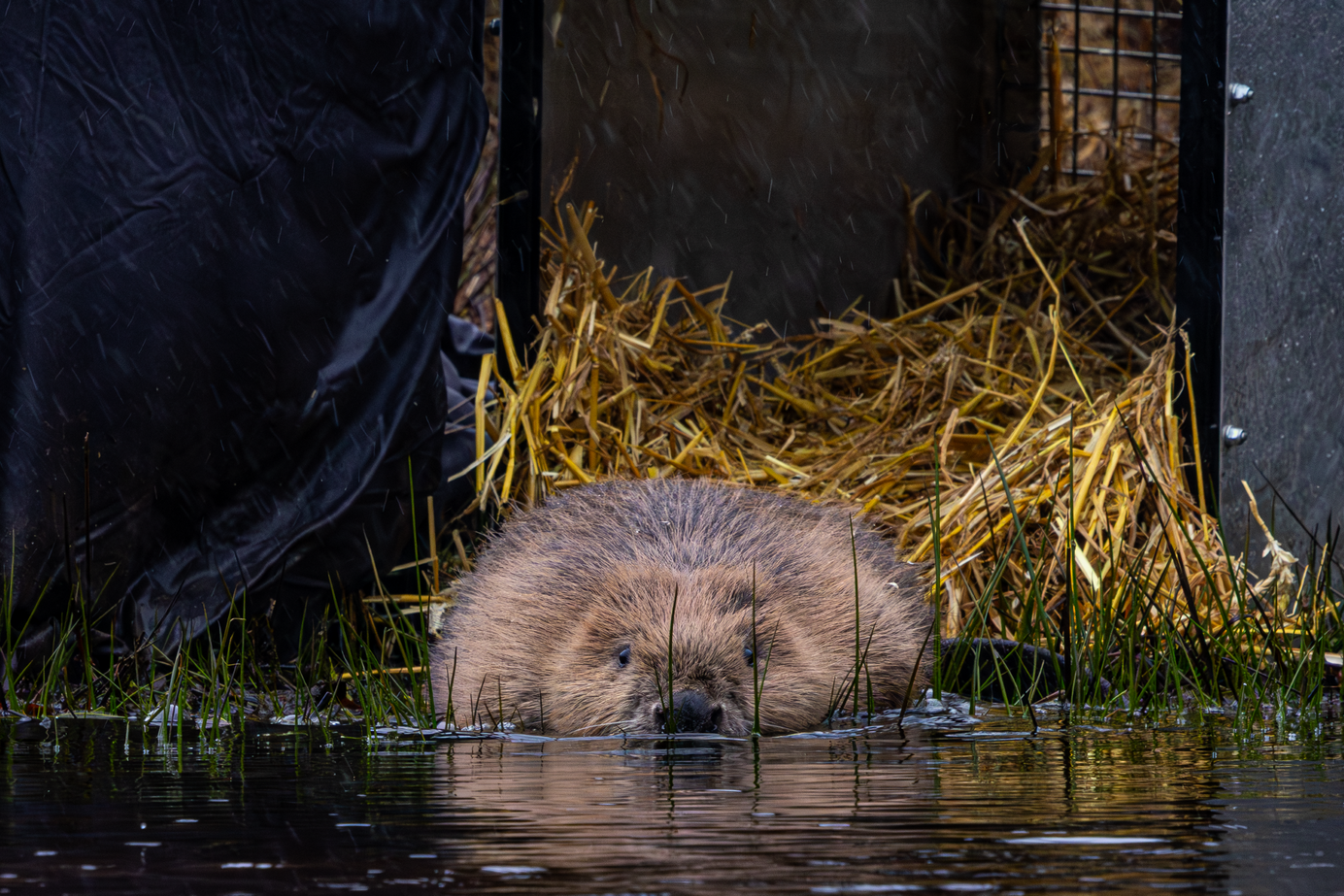
Beavers | A paper published in the European Journal of Ecopsychology considers the potential psychological impact of beavers alongside their well-documented ecological impact. The authors argue that beavers’ creation of biodiverse natural settings offers the possibility of increased nature connectedness and nature-based psychological restoration for people, particularly in a landscape as nature-depleted as Britain’s. Moreover, “beavers could act as a flagship species and become a totem of hope as eco-anxiety increases.” The study concludes that the psychological benefits of beaver reintroduction “likely exceed that of any other single species’ reintroduction or conservation initiative”, and far outweigh the costs of their management and reintroduction.
Pollinators | A major study of pollinator abundance in Wales has found that woodland and hedgerow creation can play a crucial role in reversing insect declines. The large-scale survey was carried out by the UK Centre for Ecology & Hydrology and Butterfly Conservation Wales, in conjunction with the Welsh Government and more than 1,000 landowners. It fills a previous lack of scientific data about pollinators in Wales compared to the rest of the UK. The researchers found up to twice as many insects in broadleaved woodland areas as in intensively farmed grassland, and estimated that pollinator abundance on farmland could fall by up to 21% without hedgerows. The study proposes a key role for woodland creation, hedge-laying and farmland heterogeneity within future land management incentive schemes, and also suggests increasing floral provision in areas such as improved grassland, the dominant habitat in Wales.
Birdsong | The soundscape of the natural world may be changing due to widespread declines in bird populations, according to a study in Nature. Researchers used data to reconstruct soundscapes from more than 200,000 sites across North America and Europe over the past 25 years, integrating citizen science and recordings of individual species to recreate what the places might have sounded like at the time. “These results suggest that one of the fundamental pathways through which humans engage with nature is in chronic decline, with potentially widespread implications for human health and well-being,” according to the authors. A blog on the British Ornithologists’ Union website explains the findings.
Driftwood
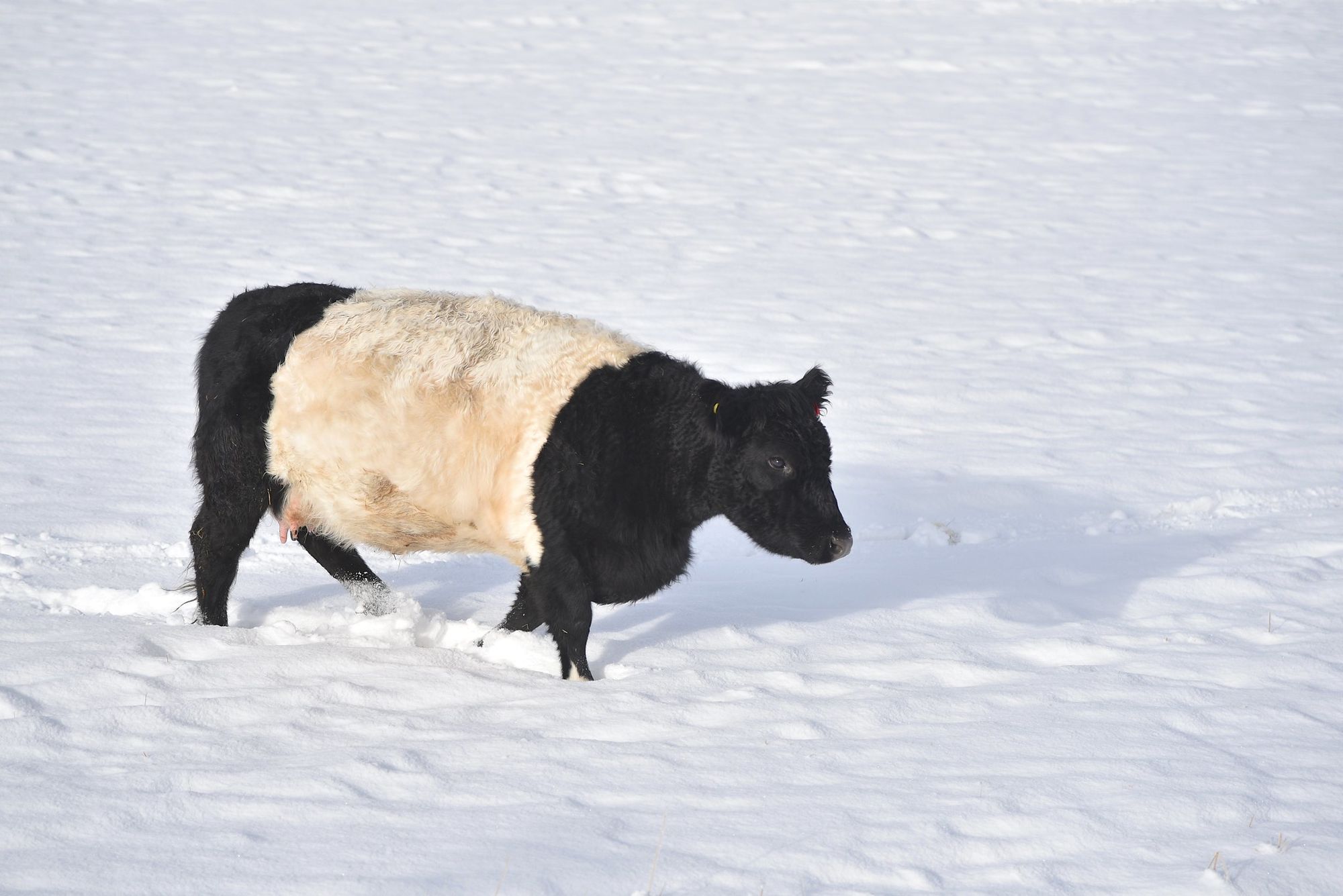
Farming | LitHub has a thought-provoking piece by the writer Patrick Laurie, who recently published the book Native about his experiences of rearing Galloway cattle. He speaks of the literary influences – R.S. Thomas, Seamus Heaney and Ted Hughes – and muses on the consequences of agricultural intensification. “Conservationists have become adept at finding ways to integrate biodiversity into commercial farming systems, acknowledging the demands of a hungry world. I’d like to do the same for spirituality, imagination and magic,” he concludes.
Postpartum | I enjoyed this gentle reflection by Becca Piastrelli on the benefits of cyclical living – timing the phases of your life with the shifting of the seasons – and what it means when that timing goes out of whack. In her case, having a baby made her reassess what it means to live according to the traditional associations of spring, summer, autumn and winter. “My feelings and my body's needs didn't line up with the bright hope of spring and playfulness of summer,” she writes. “So I consciously chose to let myself be immersed in my internal winter.”
Thames | Following the recent news that there are now sharks in the Thames, the Guardian’s Patrick Barkham has taken a riverboat cruise down the Thames to see whether he can spot them. This is the glamour of journalism personified: during his trip, he encounters 550 common gulls, two jackdaws, five floating pieces of wood and one football – but no sharks. In fact, despite the apparent ecological resurgence of the river, he points out that the number of the fish in the tidal Thames has actually declined since the early 1990s. “Unfortunately, the rebirth of the Thames has met with several false dawns, and this may be another,” he writes.
Further reading:
- Wales should construct more of its homes out of timber, according to Gary Newman of Woodknowledge Wales.
- Natural England chair Tony Juniper says that environmentally damaging practices should become more expensive, in an interview with the Telegraph.
- The Times has a piece about how scientists at Kew can track down illegal logging based on tiny slivers of wood.
- Forestry England is experimenting with using Norway spruce in place of Sitka as it can cope better with the predicted changes in climate.
- Conservative MP Philip Dunne has pledged to hold ministers to account on the new Environment Act in Conservative Home.
- As the government reforms its agricultural policies, it is “at risk of falling Into the same traps that dodged the EU's Common Agricultural Policy,” writes the RSPB’s Alice Groom.
Happy days
Autumn | The best is yet to come, according to drone footage taken by Forestry England. Autumn colours are still yet to peak this year, writes Countryfile, which means we can enjoy the spectacular displays of the countryside for a while longer. Unfortunately, this is likely due to climate change. “Heavy storms can cause the leaves to fall off before they fully develop, but the dry spell has meant some trees are only just reaching their full potential.”

Subscribe to our newsletter
Members receive our premium weekly digest of nature news from across Britain.
Comments
Sign in or become a Inkcap Journal member to join the conversation.
Just enter your email below to get a log in link.