Saving Seabirds & Botanical Decline
The latest news on nature and conservation in Britain.
National news
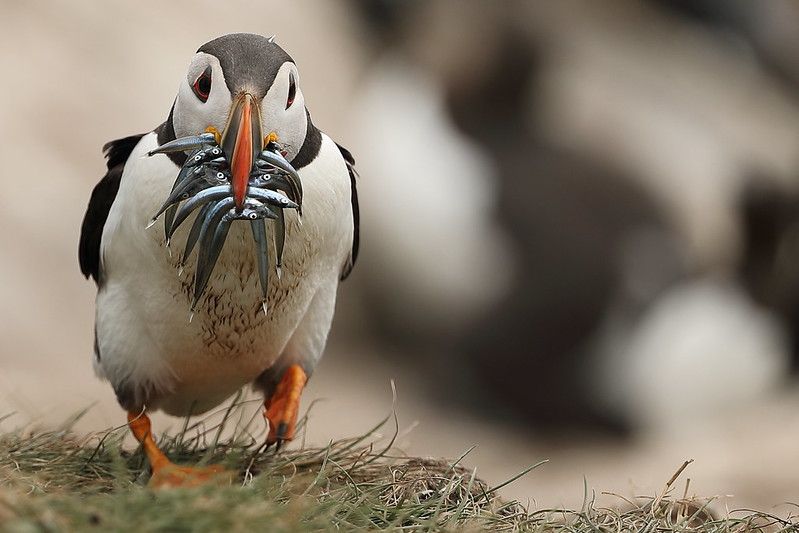
Seabirds | Defra has launched a consultation on proposed measures to ban industrial sandeel fishing in English waters. Sandeel are a key food source for globally vulnerable seabirds including kittiwake, puffin and razorbill, as well as other marine life such as whales and seals. Sandeel populations are already under pressure from warming seas, but overfishing in the North Sea is further reducing the number available to seabirds during the breeding season. Experts from Natural England and the JNCC said that seabird numbers could be boosted within ten years as a result of the ban. The RSPB has called the measures a “crucial lifeline” for seabirds, and is urging members of the public to respond to Defra’s consultation. The BBC and the Independent covered the news.
Oceans | Following a decade of negotiations, national delegates in New York have reached an historic agreement on the UN High Seas Treaty. The treaty provides a legal framework for protecting marine biodiversity in international waters, with the aim of designating 30% of the high seas as marine protected areas by 2030. The agreement has been widely praised as a significant victory for marine protection, although countries will have to ratify the treaty before it can come into force: a process which could take up to two years. Carbon Brief has a useful Q&A on what the treaty means for biodiversity and climate change, while in the Scotsman, campaigner Richard Dixon writes about why the treaty must be matched with national action for Scottish seas. The BBC, the Guardian, the Economist, iNews and ENDS reported the news.
Chemicals | Testing for PFAS – or forever chemicals – in England’s wild fish has revealed dangerously high levels of industrial pollutants. The data comes from the latest round of analysis by Watershed Investigations, a team of journalists examining the water crisis. The data showed contamination in flounder, dab and plaice throughout river and coastal habitats in England, with the highest readings in the Thames, Mersey and Wye. The levels are high enough that eating the contaminated fish more than twice a year would exceed recommended EU safety guidelines. Dr Janina Gray, head of science and policy at WildFish, said the significant concentrations found in fish were “very concerning but not surprising, and unfortunately just the tip of the chemical iceberg.” The Evening Standard, the Independent and the Daily Mail covered the news.
In other news:
- The weight of UK shellfish caught and landed in the UK has fallen by 44%, according to analysis by Labour. The Evening Standard and the Independent reported the news.
- Environmental and agricultural experts have told MPs that culling practices must be available as part of species reintroduction programmes, reports ENDS.
- The recent period of drought is threatening the breeding season for frogs, reports the Guardian.
Across the country
Cornwall | Pastureland in Cornwall will bloom more brightly this year, as Cornwall Wildlife Trust is helping farmers to manage and sow more than 800 acres of herbal leys. These replace the more conventional use of rye-grass, exchanging the green monoculture for a mixture of up to 20 species of grasses, herbs and legumes. These provide various functions, including helping soil fertility and structure, acting as natural medicines for livestock, and providing food for pollinators. Separately, Cumbria Wildlife Trust has announced that it has joined forces with National Highways to transform 71 acres of grassland into species-rich meadows. Targeted areas range from small parcels of land on farms and orchards to larger swathes within the AONB.
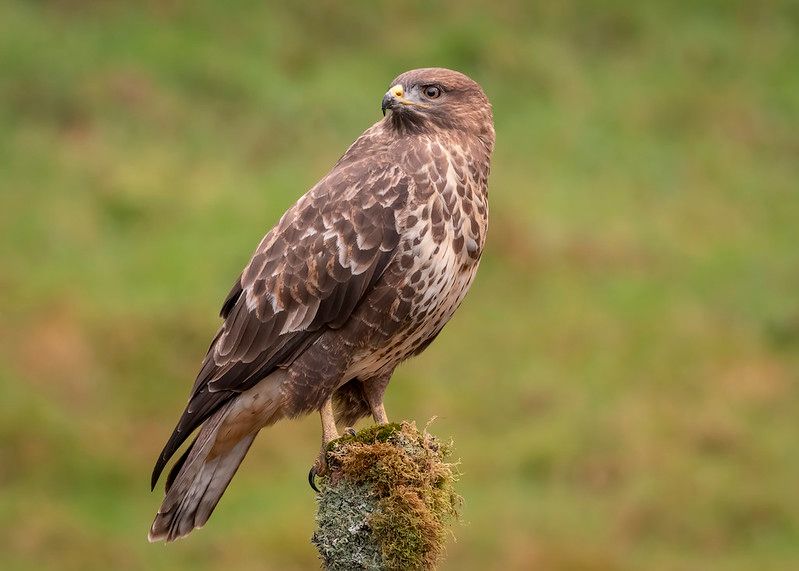
Angus Glens | NatureScot has restricted the use of general licences on the Millden Estate for three years, after Police Scotland discovered evidence of wildlife crime against birds. Three buzzards had been shot, two of which were found in a bag in a house on the estate. The suspension means that the estate will no longer be permitted to control common species of wild birds, although landowners can still apply for individual licences subject to enhanced record-keeping. A spokesperson for the estate said that the employee concerned was suspended with immediate effect, reports the BBC.
Jersey | Puffins on Jersey could soon be protected from rats and ferrets thanks to a mile-long fence. Birds On The Edge has submitted a planning application for the installation, and a small section has already been erected to show how it would affect the landscape. The fence would enclose around 30 hectares of land where the puffins have their burrows, while also providing protection to other seabirds, including razorbills, guillemots and fulmars. “There are only eight puffins left in Jersey,” said Cris Sellares, project officer at BOTE. “If we don't do something now, there is a real risk that we will lose the iconic seabird which plays such an important part in Jersey's natural and cultural heritage.” The BBC and BirdGuides covered the story.
Elsewhere:
- The rare black oil beetle has returned to Kinver Edge heathland in Staffordshire for the first time in nine years, reports the BBC.
- Campaigners in Suffolk are protesting plans to connect offshore wind turbines to the National Grid, a construction process which could impact the delicate ecology of the Heritage Coast, reports the BBC.
- The Northumberland Wildlife Trust has issued a plea for members of the public to leave frogs where they find them to reduce the risk of contaminating other ponds.
- The number of wild swimmers visiting Loch Vaa in the Cairngorms has put a stop to fishing in the loch, reports the Scotsman.
- The charity Trees for Life is applying to the Scottish government for a licence to reintroduce beavers to Glen Affric in the Highlands, reports the Scotsman and the Herald.
- South East Water is encouraging farmers to harvest rainwater to help them survive drought periods, reports the BBC.
- Campaigners are refusing to pay part of their water bill to protest the amount of sewage being discharged into the River Severn, reports the BBC.
- Banham Zoo in Norfolk is planning to expand its native species breeding programme over the next seven years, reports the BBC.
- The little bunting, a rare visitor from Russia, has been recorded at a reserve managed by the Hertfordshire Wildlife Trust. It is only the third sighting in the county, reports the BBC.
- The rewilding of Allestree Park has been paused after local backlash to news that cattle and fencing would be introduced, reports the Derby Telegraph.
- A stag had to be rescued after becoming entangled in dumped plastic wrapping in a remote part of Lochaber, reports the Press and Journal.
- The Wiltshire Wildlife Trust has announced its purchase of Great Wood, a 71-hectare ancient woodland, which it will turn into a nature reserve.
- Natural England has launched a consultation on plans to extend the Surrey Hills AONB by 25%, reports ENDS.
- Welsh Water has pledged £3.6m to upgrade a water treatment plant on the River Wye, which will remove phosphates from treated wastewater, reports the BBC.
Reports
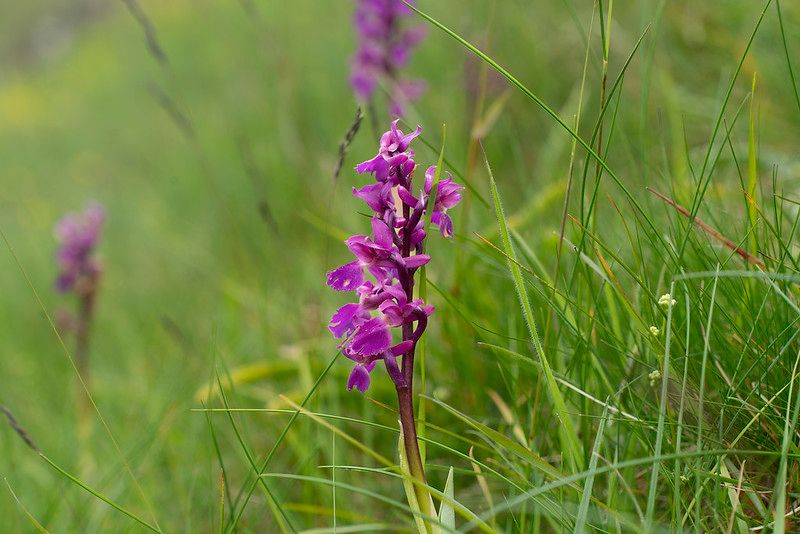
Botany | It has been a big week for botanists, with the publication of the Plant Atlas 2020 – the most comprehensive survey of plants ever undertaken in Britain and Ireland. The report compiles 26 million records collected between 2000 and 2019, and reveals the state of the nation’s flowering plants, ferns and charophytes. More than half of Britain’s native plant species have declined since the 1950s, and are now outnumbered by those that have been introduced to the wild by humans. Climate change has likely led to the decline of some mountain plants in Scotland. The Botanical Society of Britain & Ireland has produced a detailed summary of the results – although for anyone really hungry to delve into the details, there is also a two-volume book available for purchase, which includes maps, accounts and graphics for 2,863 species. “There’s lots we can do to reverse these declines, but the most important are to increase the protection plants receive, extend the habitat available to them, and to place their needs at the very heart of nature conservation,” said Dr Kevin Walker, head of science at BSBI. The Wildlife Trusts outlined some policies that could help to turn things around.
Peat | A project to restore Welsh peatlands has boosted the economy by millions and contributed significant social benefits to local communities, while also helping to tackle the climate and nature emergencies, according to a report by Natural Resources Wales. The EU-funded Welsh Raised Bogs project is focusing on seven important peatland sites. It has created 23 full-time equivalent jobs and significant opportunities for volunteering. According to a survey, 80% of respondents noticed personal benefits from visiting the project sites, including an improved knowledge of the history and wildlife of raised bogs. Some 50% reported improved fitness and mental health.
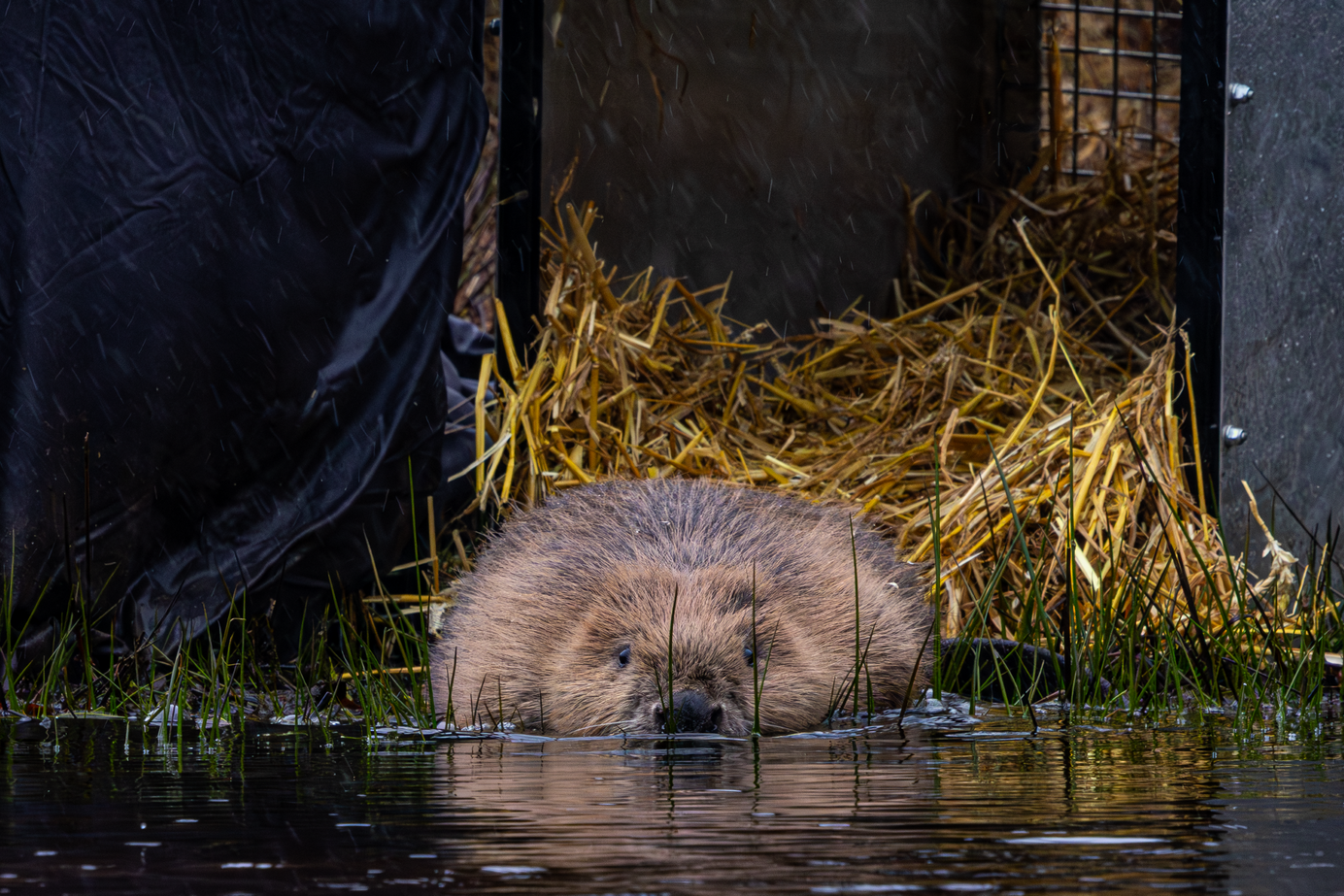
Beavers | Natural England has released a report on beaver activity in the River Avon catchment, following increasing reports of the animals living wild across Somerset and Wiltshire. Conducted by canoe and on foot during January to March last year, the survey found a total of 771 beaver activity signs, including 13 lodges, four burrows and 20 dams. So far there had been few management issues, probably because the population is still young. But such issues may increase, the report noted, "and a mitigation approach to dealing with these will be needed if we are to live alongside these animals and realise the benefits that they can bring to our environment."
Science
Bumblebees | Bees can pass on foraging behaviours through social learning, according to a study in PLOS Biology. Researchers from Queen Mary University of London trained a set of buff-tailed bumblebees to open a puzzle box containing a sugary reward. Using groups of ‘demonstrator’ and ‘observer’ bees, they found that observer bees used the same method as the trained demonstrator bees the vast majority of the time, even after finding an alternative approach. This method was then maintained by the entire colony, demonstrating the knowledge had been shared socially. Dr. Alice Bridges, who led the study, said that bumblebees had not previously been known to show the “culture-like phenomena” of social learning in the wild, but it could help to explain the evolution of intricate behavioural repertoires among social insects. The BBC and the Times covered the research.
Protected areas | The biodiversity contained within protected areas across the globe may become increasingly impoverished due to climate change, according to a study published in Global Change Biology. While these landscapes can provide safe haven for many species, rising temperatures mean that many will expand their range beyond their boundaries – while poor connectivity between these areas mean that others will fail to take their place. Dispersal will be limited by a range of factors, including human barriers and limited ability to travel. The authors found that 58% of protected lands exhibit climate connectivity failure under 2°C of warming and cannot be counted on as “stepping stones” in the future.
Food | If humans continue to follow the same diet to the end of the century, the world will warm by almost an additional 1°C, according to a study published in Nature Climate Change. Some 75% of this warming will be driven by foods that are high sources of methane, including ruminant meat, dairy and rice. There are numerous ways to cut these future emissions, including reducing waste, improving production and converting to a healthy diet. While it has long been known that food is a major source of greenhouse gases, the researchers have focused on improving the methodology behind the calculations to provide a more granular assessment of the impacts. The Guardian covered the story.
Driftwood
Farming | Analysis in the Financial Times looks at rising concerns around the new post-Brexit subsidy scheme among upland farmers. Payments are supposed to reward farmers for producing public goods – including healthier habitats – but the way the subsidy is calculated means that upland farmers receive less support than lowland farmers even when providing the same service. Faced with economic uncertainty, many farmers are considering intensifying livestock production; a counterintuitive outcome given the damage caused by overgrazing. “What we’re getting is a cost-cutting, cheap and nasty version” of the old regime, according to Lake District farmer and author James Rebanks (who has been busy expanding his views on the subject over on Twitter).
The cure to a terrible CAP isn’t to end farm support - but to have a better/reformed system that changes farming’s relationship to nature
— James Rebanks (@herdyshepherd1) March 5, 2023
Ending farm support, increasing market pressure on farmers & then blathering on about wilderness in a few token places is dreadful strategy
Light | A feature on BBC Future investigates how light pollution is disrupting plants’ senses and rhythms. Most living things on the earth cycle through daily circadian rhythms, but if the nighttime is perceived to be shorter due to unnatural lighting, those rhythms can be thrown out of kilter. Seasonal cycles can also be affected, with one study showing that deciduous trees in the UK went through budburst 7.5 days earlier in areas that were brighter at night. Meanwhile, nocturnal pollinators can be sidetracked, harmed, and even killed by artificial lights, impacting the delicate relationship between plant fertilisation and insects. Ecologist Brett Seymoure explained: "[With light pollution] you have this new weird situation that's going to have consequences for everything on this planet because pretty much everything depends on insects and flowering plants”.
Attenborough | The first episode of David Attenborough’s long-awaited new documentary, Wild Isles, will be broadcast on BBC One on Sunday. The series focuses on the nature on our doorstep – to whet your appetite, the BBC has already published three highlights: orcas chasing a seal, the pollination of Lords-and-ladies, and eagles catching a goose. The series is one to cherish: the presenter is now 96-years-old, and the documentary is likely to be his last on location, reports the Guardian. Producers even feared that Attenborough would catch bird flu and die during filming. The BBC has more on what to expect from the series: “It's not just the nature nerds and the conservation community talking – this conversation spills out into the wider public and into the political arena as well,” said one of the show’s scientific advisors.
Further reading:
- For International Women’s Day, the John Muir Trust’s Ben Nevis manager, Alison Austin, has written a blog about embracing equity in conservation land management.
- Nature writer John Lewis-Stempel expresses his scepticism about "beavermania" in a column in Unherd.
- In the BBC, an article outlines how scientists at the University of Bath are harnessing microorganisms in soil to generate green electricity.
- A blog by the Wildlife Trusts gives an update on the government’s approval for the use of neonicotinoids. The use was subject to a virus threshold, which has now been met.
- A BBC video shows a starling murmuration in Northumberland, which became even more exciting when two peregrine falcons joined in.
- An article in the Herald explains why time is running out for the remaining orcas of the Scottish west coast pod.
- For Countryfile, author Nicola Chester writes about the power of fiction to connect readers to the countryside, and why it is more relevant than ever.
- A photo article in the Guardian exhibits some of the best images from the World Nature Photography awards.
- For the Times, Natural England chair Tony Juniper writes about why the new ‘biodiversity net gain’ rules could be a building block for the future.
Happy days
Fungi | Will your next computer contain fungi? An article in HotHardware covers research at the Unconventional Computing Laboratory, based at the University of the West of England, into the potential for mycelium to be incorporated into electronic circuits. “One of the repeating themes of the lab is looking at how nature computes, and elements of nature that can be used by humans to fit into practical computer systems,” according to the feature. The director of the Laboratory has already enjoyed success in creating slime mould computers – “but that’s another story.”

Subscribe to our newsletter
Members receive our premium weekly digest of nature news from across Britain.
Comments
Sign in or become a Inkcap Journal member to join the conversation.
Just enter your email below to get a log in link.