Riverside Woodland & Community Hunting
The latest news on nature and conservation in Britain.
Welcome to Inkcap Journal, a newsletter about nature and conservation in Britain. This is the Friday digest, rounding up all the week's news, science, reports, comment and more. Sign up to receive a free one-month trial.
National news
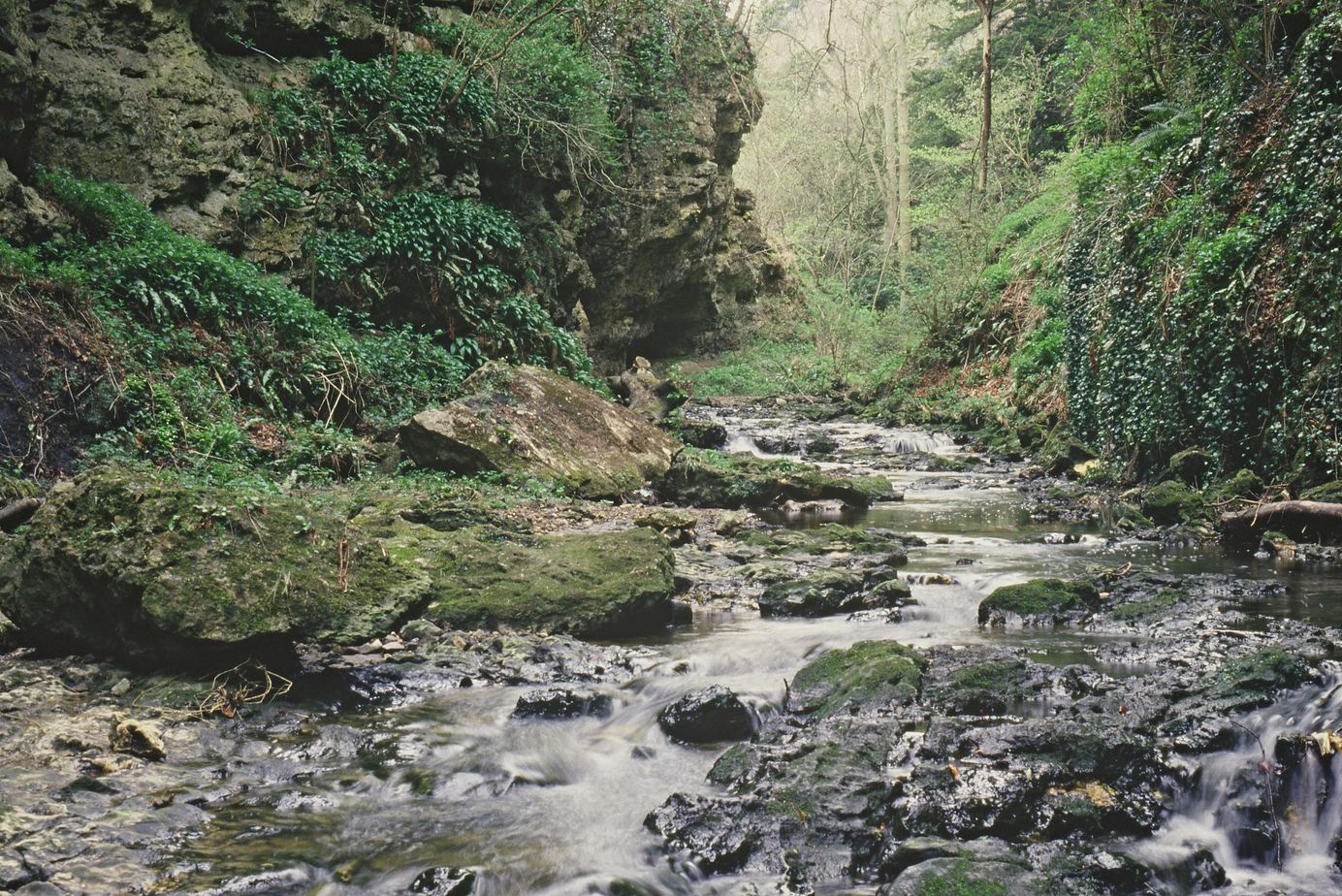
Woodland | The government has launched a new project to plant over 3,000 hectares of new woodland alongside England’s rivers and watercourses. The new trees are intended to improve water quality, manage flood risk by slowing the flow of water, boost biodiversity and help rivers to adapt to climate change by providing shade. The government will provide £40m over four years. Ben Goldsmith, who helped to conceive the scheme, said that the woodlands would act as “beaver buffers”, as their creation would help to win over farmers opposed to their reintroduction, reports the Times. The Telegraph and the BBC also covered the news.
Crops | The government will relax the regulation of gene editing technology, making it easier and cheaper to breed crops with specific qualities, such as resistance to pests and disease. According to a press release, the changes could help the environment by reducing the need for chemical pesticides. It points out that gene editing is different to genetic modification, essentially speeding up a process that could be achieved more slowly through traditional breeding. The changes are only possible due to Brexit, as the UK is no longer bound by stringent EU regulations, reports the BBC. Scientists have welcomed the changes although, unsurprisingly, anti-GM groups have their doubts; the reactions are rounded up in the Guardian. The Times also covers the story. The Welsh government said that it had no plans to relax gene editing regulations.
Rewilding | A major new rewilding project has launched in the Highlands, reports the BBC, with plans to return more than 500,000 acres to nature. The Affric Highlands initiative spans land from Loch Ness on the east coast across to Kintail in the west, and is a partnership between Rewilding Europe – marking the charity’s first foray into the UK – and Trees for Life. The announcement follows three years of consultations with other stakeholders, including landowners and communities. Practical work is supposed to begin in 2023. Charles Moore writes in the Telegraph (of which he was formerly editor) that the plans must involve re-peopling alongside rewilding. “Human beings too have natural habitats, and these should be respected,” he says. The Guardian also covered the story, and also interviewed the psychologist who was called in to help with the project. Separately, Rewilding Britain bolstered the case for rewilding as a method of tackling climate change with an updated report on natural climate solutions.
In other news:
- Natural Resources Wales has published a report showing the potential for marine restoration and highlighting the wider benefits it can offer.
- The Senedd has “serious reservations” over the Environment Bill and how its powers would be translated to the Welsh government, reports ENDS.
- Labour has pledged to spend £28 billion per year on tackling climate change if it gets into government, reports the Times.
- The Wildlife Trust has raised £25m in one year to kickstart nature’s recovery.
- The Scottish government has told the fire service to prepare for more floods and fires due to climate change, reports the Scotsman.
- A report for the Environmental Audit Committee has found that the UK’s consumption is unsustainable and is driving biodiversity loss abroad.
Across the country
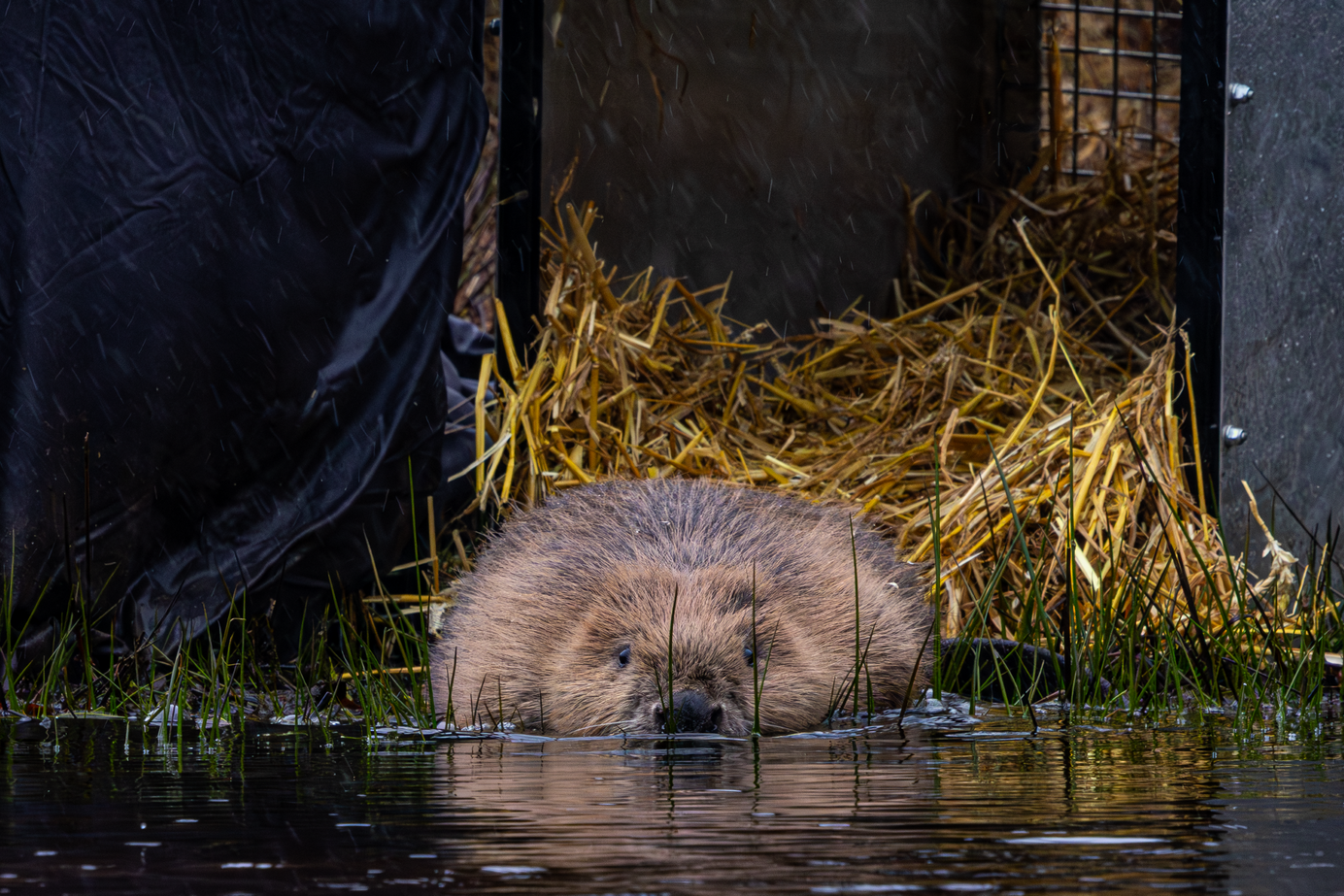
Avon | It has been a good week for beavers. In a development described as “extremely significant” for the species, a wild beaver family has been confirmed living in the River Avon area. This marks the first time in over 400 years that the animals have been present in the area, and, notably, they have established themselves without help from humans. Experts are unsure how the beavers arrived on the Avon, but are delighted by the discovery. The story featured in the BBC and Bristol Live. Elsewhere, beavers are also making a comeback in Derbyshire. The Beaver Trust transported a pair from Tayside in Scotland to their new home in the 46-hectare Willington Wetlands Nature Reserve, where it is hoped they will restore the wetland habitat and boost other species. The BBC, Derbyshire Live and Derbyshire Wildlife Trust all covered the release.
Lanarkshire | NatureScot has extended a restriction on general licences on Leadshill Estate in South Lanarkshire until 2023, following police evidence of wildlife crime against birds on its land – the Raptor Persecution blog has some of the background on the history of killings on the estate. General licences allow landowners or land managers to carry out actions which would otherwise be illegal, including controlling common species of wild birds to protect crops or livestock. On the other end of the spectrum, the Altyre Estate has received prestigious accreditation recognising its efforts to conserve land, soils, habitats and wildlife. There are more details in the Northern Scot.
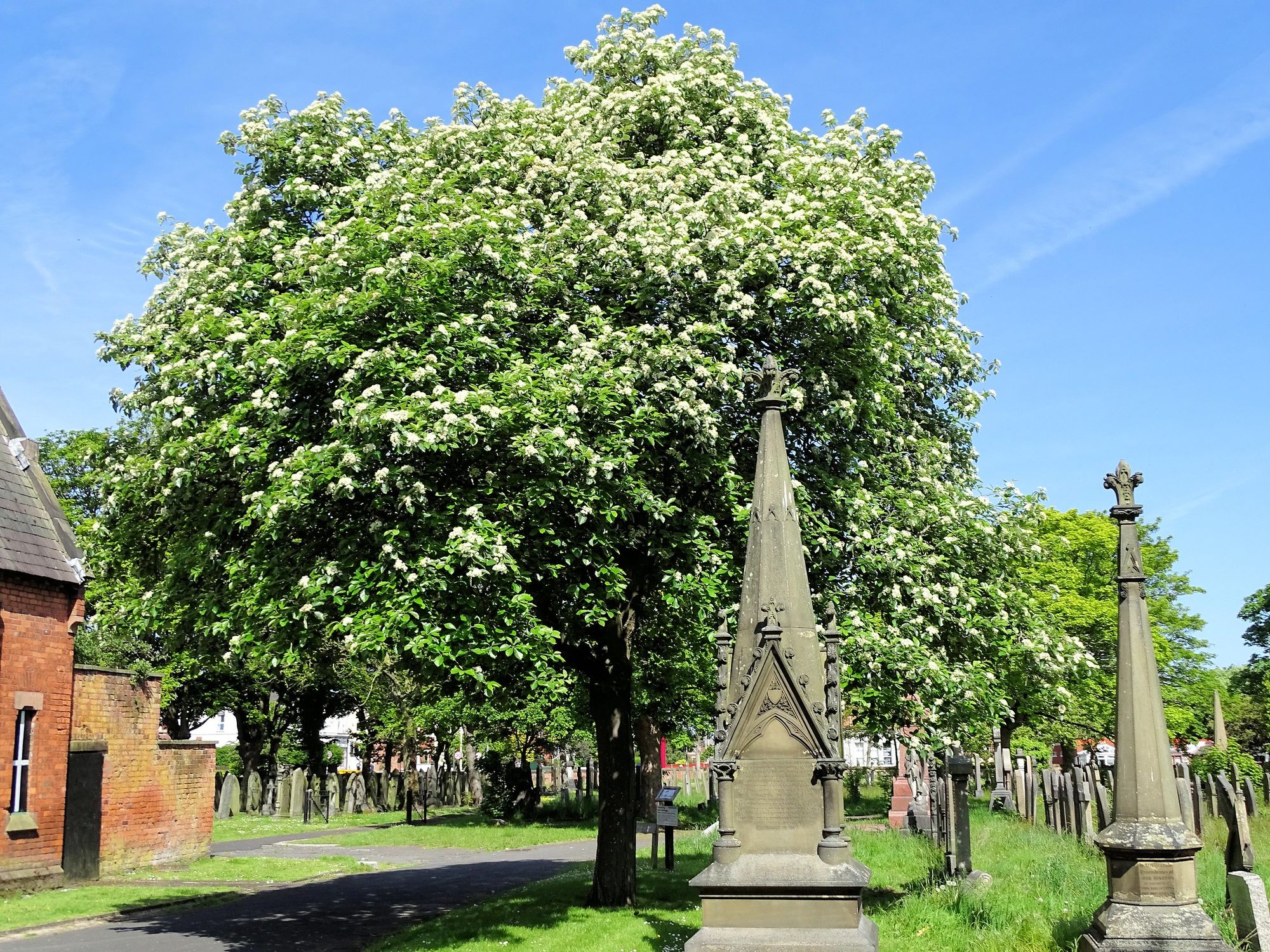
Menai Strait | Researchers at Bangor University are spearheading efforts to save an endangered tree species particularly close to home. They have discovered a Menai whitebeam, one of around 30 individual trees remaining, only a few miles from the university. The remainder exist on a small stretch of coast between the Welsh mainland and Anglesey. “The Menai whitebeam raises interesting questions about what defines a species and has the potential to engage local people in local conservation,” says professor of conservation science, Julia Jones. The tree is listed as being on the brink of extinction in the recent ‘State of the World’s Trees’ report, but researchers hope that identifying individuals at threat and ensuring their protection could prevent their extinction. The story was covered by the BBC.
Elsewhere:
- Populations of one of the UK’s rarest songbirds, the cirl bunting, have increased by 33% on Devon farmland, reports the BBC.
- Despite multiple objections, North Yorkshire County Councillors have approved a quarry extension next to the Brockadale Nature Reserve. Tony Juniper, chair of Natural England, tweeted a reminder that quarrying can be a positive force for nature – although he did not reference the decision.
- The plan for a Northern Forest stretching between Hull and Merseyside has been boosted by £15m of funding, reports the BBC.
- The Natural History Society of Northumbria has launched a campaign to halt a housing development opposite Gosforth Nature Reserve in Newcastle, reports the Chronicle.
- Sick seal pups are among those affected by fuel shortages as the Yarmouth-based Marine and Wildlife Rescue was forced to suspend its services, reports the Eastern Daily Press.
- In Staffordshire, activists have begun nightly patrols to monitor government-licensed culls, reports the Stoke Sentinel.
- Rabbits are helping to restore the unique Breckland habitat in Suffolk and Norfolk, reports ITV. Natural England has more details on the project.
- The construction of a new 10,000-home town in Cambridgeshire has emptied the village ponds in nearby Longstanton, reports the BBC.
- Solihull Council is considering new ways of creating inner-borough wildlife habitats as existing areas are being increasingly lost to development, reports the Birmingham Mail.
- In Peterborough, protesters have staged a rally to save a 600-year-old oak tree, reports the Peterborough Telegraph.
- A ‘pocket park’ of more than 100 trees in Leyston is due to be replaced by high-rise flats, reports the Waltham Forest Echo.
- Anglian Water has pledged over £7m across 16 separate schemes across East Anglia to restore unique river habitats, reports Planet Radio.
- In mid-Wales, the Radnorshire Wildlife Trust is set to transform a livestock farm into a diverse natural habitat, reports the County Times.
- Natural England has confirmed Cotswold Water Park as a Site of Special Scientific Interest. There are further details in a blog.
Reports
Hunting | Communities must be at the heart of deer management in Scotland, according to a vision unveiled at the Scottish Game Fair by a partnership of eleven deer management stakeholders. Led by the British Association for Shooting & Conservation (BASC), the partnership aims to create more local opportunities for trained recreational deer stalkers on public land – compared to the current system, where culls on public land are undertaken by professional contractors paid from the public purse. The vision document calls for a pilot community deer stalking scheme to test how the principles might work in practice. The proposal featured in the Scotsman and the Times.
Agroforestry | A report published by the Land Workers’ Alliance looks at the benefits of agroforestry, a traditional ‘land sharing’ approach that is currently seeing a resurgence in new and adapted forms. The report looks in detail at newer versions of agroforestry that combine larger-scale field systems with strips or alleys of trees. Although the report is predominantly practical in content, it also contains a section for policymakers and says the report is for “all those who care about our land use, our environment and our food systems”.
Adaptation | A report commissioned by the RSPB and WWF demonstrates how the government could harness nature to better protect homes and farmland in the increasingly changeable UK climate. In the report, researchers from Oxford University’s Nature-Based Solutions Initiative suggest actions such as green walls and roofs to transform cities and protect both people and wildlife. Dr Olly Watts, RSPB’s climate change policy officer, said: “Climate change is here – extreme weather is already devastating our homes, our health and our precious wildlife. Yet nature is showing us what to do and how to adapt.” The political implications are described in a separate blog (which also contains a link to download the report).
Science
Rivers | Scientists have discovered environmentally damaging levels of illegal drugs in the rivers running through the Glastonbury Festival site, likely deposited through urination. Dr Christian Dunn of Bangor University, who led the study, said that the drugs were released at levels “high enough to disrupt the lifecycle of the European eel, potentially derailing conservation efforts to protect this endangered species.” The story was covered in the Telegraph. In other river-related news, research by the charity Buglife found evidence for medicinal drugs in British rivers at levels potentially dangerous to wildlife, including those known to alter reproduction and growth in invertebrate populations. Finally, the River Trust has published its ‘State of Our Rivers’ report, which calls for a “radical rethink for rivers” and aims to arm the public with the data required to “hold the government and local polluters to account.”
Birds | Light pollution impacts the behaviour of adult seabirds, according to a paper in Scientific Reports. The study conducted an experiment on colonies of Manx Shearwaters on Skomer Island using a variety of artificial lighting. The scientists discovered that the birds were more likely to avoid intense lighting, long periods of light, and particularly avoided green and blue lighting. The authors recommend using lower intensity lights, red lighting, and shorter duration of ‘light-on’ periods as mitigation measures to reduce the effects of light on breeding colonies. Co-author Martyna Synposz has summarised the study results in a helpful Twitter thread (with satisfying graphics).
Our experiment exploring avoidance behavior of adult #manxShearwaters towards #lightpollution is now published #openaccess in @SciReports. https://t.co/W983r51lId
— Martyna Syposz (@martyna_syposz) September 24, 2021
Results in 🧵 below pic.twitter.com/35MvA5x3rA
Fishing | Of all European fisheries and coastal communities, those in the UK and the Eastern Mediterranean face the greatest risks from climate change, according to a study published in PNAS. Conducted by marine researchers working in the UK, Netherlands and Denmark, the study highlights that substantial variation exists even within countries, meaning that adaptation efforts need to be tailored to the local area. However, “a focus on sustainable fisheries management and diversification of fish portfolios can reduce climate risks across the board,” according to the authors. The findings were described by Cefas, the government’s executive agency for fisheries.
Driftwood
Wolves | A focus on predators, including wolves, could have a negative impact on rewilding efforts in Scotland by alienating people in rural areas, according to Francesca Osowska, chief executive of NatureScot. “We need to think about restoring all of nature, not just large mammals,” she told the Guardian. A few days later, the Herald ran a sponsored interview with Osowska, in which she expanded upon her thoughts on the matter. “It’s really topical at the moment but, as a term, it has lots of different meanings for different people, so it’s helpful to say what I and NatureScot subscribe to in terms of rewilding,” she said. “A key message is to stop thinking about the human species being separate from nature. We are part of it and we need to work with it.”
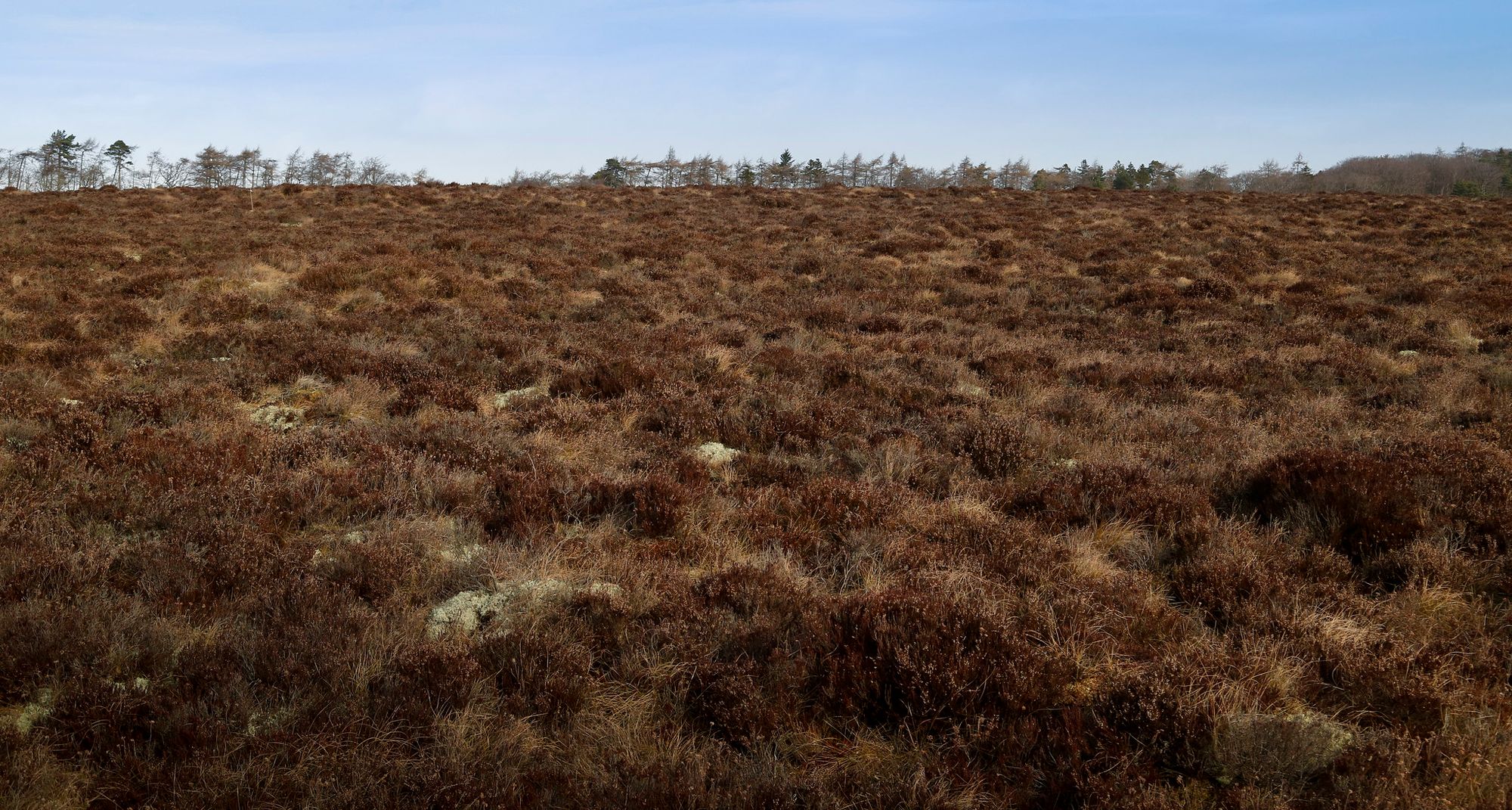
Peatlands | The BBC speaks to the academics trying to figure out how to get the public to care about peatlands – not an easy task, apparently, but nonetheless an important one. “Often peatlands are overlooked because they are wet and boggy, they look brown and they're not very appealing," said Dr Emily Taylor, part of the Peatland Connections team. They have been working with artists to look at how they can get communities more involved in their management, and have been filing at Silver Flowe – an internationally important site – to highlight the role it plays in keeping carbon in the ground for those who cannot access the peatlands in person.
Growth | The oft-cited ideas of ‘green growth’ and ‘build back better’ have had a rough ride this week. First, Greta Thunberg openly mocked the empty words of politicians, including Boris Johnson, during a youth summit in Milan, saying they amounted to little more than “blah blah blah”. George Monbiot stuck the boot in a couple of days later, attacking the notion that it is possible to increase economic activity while also protecting the planet. “Boris Johnson insists that ‘a global recovery from the pandemic must be rooted in green growth’,” he wrote in the Guardian. “But there is no such thing as green growth. Growth is wiping the green from the Earth.”
Further reading:
- Kew has released its new science strategy, outlining its plans to help stop biodiversity loss and deliver nature-based solutions to global challenges.
- Nature writer Nicola Chester talks about her new book, On Gallows Down, in Newbury Today.
- Outside has ideas for how to find nature in the city; while Time Out has made a list of London’s “five wildest woodland neighbourhoods”.
- The Mirror looks at the conservation success story that is the otter.
Happy days
Pokémon | Does anyone still care about Pokémon? The Pokémon Go trend passed me by, but for those who did get hooked, these photographs of the creatures in their natural habitats are mildly diverting – kind of like a weird fantasy rewilding project. Less whacky but just as cool are these beautiful illustrations of bird nests by Susan Ogilvy, published in the Guardian.

Subscribe to our newsletter
Members receive our premium weekly digest of nature news from across Britain.
Comments
Sign in or become a Inkcap Journal member to join the conversation.
Just enter your email below to get a log in link.