Peatland Burning & Rare Corals
The latest news on nature and conservation in Britain.
National news
Burning | An investigation by Greenpeace's investigative journalism unit has revealed that shooting estates in England are burning protected peatland despite a recent government ban. Burning is used to promote new growth for game birds to eat, and is notoriously hard to track due to remote locations and limited concrete data. Unearthed used satellite data to find evidence of grouse moor fires and overlaid the findings with government maps of England’s peat depth, conservation areas, habitats and land ownership. They identified 251 peatland burns during the burning season (October to April), of which 51 took place on land protected by multiple conservation designations, and more than 40 on land mapped by Natural England as blanket bog – the habitat for which the legislation is designed to most protect. The government has stated that no licences to burn on deep peat were issued during the latest season, meaning that many of these burning instances are potential breaches of the ban. A Defra spokesperson said the potential breaches are being investigated and refused further comment. The BBC, Daily Mail, Evening Standard and ENDS covered the news. Meanwhile in Scotland, RSPB Scotland has recorded 262 burns in the Scottish uplands this season using their Upland Burn Reporting App, which allows members of the public to anonymously report burning instances. One in five were likely on deep peat over 50cm, with 25 taking place in protected sites and one in five in a National Park. The Press and Journal reported the findings.
Swimming | Over half the British public are put off wild swimming due to fears of polluted waters, according to a poll by the charity Surfers Against Sewage. The poll also revealed that, of the one in six people that tried wild swimming in the past year, over half (55%) have subsequently fallen ill. Since May 2021, Surfers Against Sewage has received 363 reports of sickness after wild swimming, including ear and eye infections and gastroenteritis. Last year, storm overflows operated by water companies resulted in 372,533 sewage spills in England and Wales alone. The Telegraph and the Times covered the story. For those in search of clearer waters, Countryfile has compiled a list of the best clean upstream river swims across the country.
Targets | Scientists have warned the prime minister that the targets set by the government for species recovery are damaging and illogical. More than 20 scientists, from institutions including the Natural History Museum, the Zoological Society of London, the RSPB, and Oxford and Cambridge universities, have written to Boris Johnson expressing alarm over the goals, which could see eight years of decline before any improvement. This is because the baseline has been set for 2030, after which the goal is to increase wildlife abundance by 10% by 2042. This means that, even if biodiversity continued to spiral downwards until 2030, the government could still hit their target. The letter says this date “removes the urgency for action between now and 2030”: instead, the scientists are calling for a 2022 baseline and targets reflecting the “scale of the nature recovery task ahead”. A Defra spokesperson responded: ”We are going beyond what is required under the convention on biological diversity by proposing legally binding targets”. The government proposed the environmental targets in March, with a cconsultation running until the end of June. The Guardian covered the news.
In other news:
- 50 projects are set to receive up to £100,000 in the final round of an innovation fund to drive private investment in nature, Defra has announced.
- New data shows a severe lack of progress toward the post-Brexit pledge to curb bottom-trawling, two years after the landmark legislation, reports the Guardian.
- The Scottish government has published proposals for the long-awaited circular economy bill. Scottish Environment Link has welcomed the proposals.
- Scientists from the University of Nottingham are leading a project to see if the burial of biochar could help to remove CO2 from the atmosphere, reports the Times.
- A Cambridge laboratory studying the brainpower of crows is set to close due to loss of funding after Brexit, reports the Guardian.
- Natural Resources Wales is to buy more land for tree-planting to compensate for woodland felled for windfarms, reports Nation Cymru.
- The duchies of Lancaster and Cornwall have refused to engage with campaigners who are calling for the royals to rewild their estates, reports the Guardian.
- In other royal-related news, the Guardian also reports that companies sponsoring the Queen’s jubilee planting scheme have links to deforestation.
- The British Trust for Ornithology has quantified the carbon footprint of their Breeding Bird Survey. BirdGuides covered the results.
- Bird flu is taking a growing toll on a wide variety of species, writes Stephen Moss in the Guardian. These include great skua, pink-footed geese and even foxes.
- Anglers have called for urgent action to protect Scotland’s wild salmon after the lowest number on record were caught last year, reports the Guardian.
- A spate of thefts of rare orchids from sites in southern England has concerned scientists who say endangered species may be at risk, reports the Guardian.
Across the country
Derby | Derby city council is bringing an “urban forest”, costing £163,000, to the city centre this summer. Around 425 trees and shrubs will be put in Market Place for six weeks to create a green space for outdoor dining and events, as well as to raise awareness of climate change. The project faces opposition from some councillors, however, who argue that the feature should not be funded by the council’s climate change budget. One councillor, Lucy Clare, described the project as a “slap in the face for real climate action”. The BBC and the Derby Telegraph reported the story. In other news, Derby city council has taken on a 99-year lease of Derwent Meadows Nature Reserve, and agreed a 10-year partnership with Derbyshire Wildlife Trust to manage the area as part of its rewilding programme, reports BirdGuides.
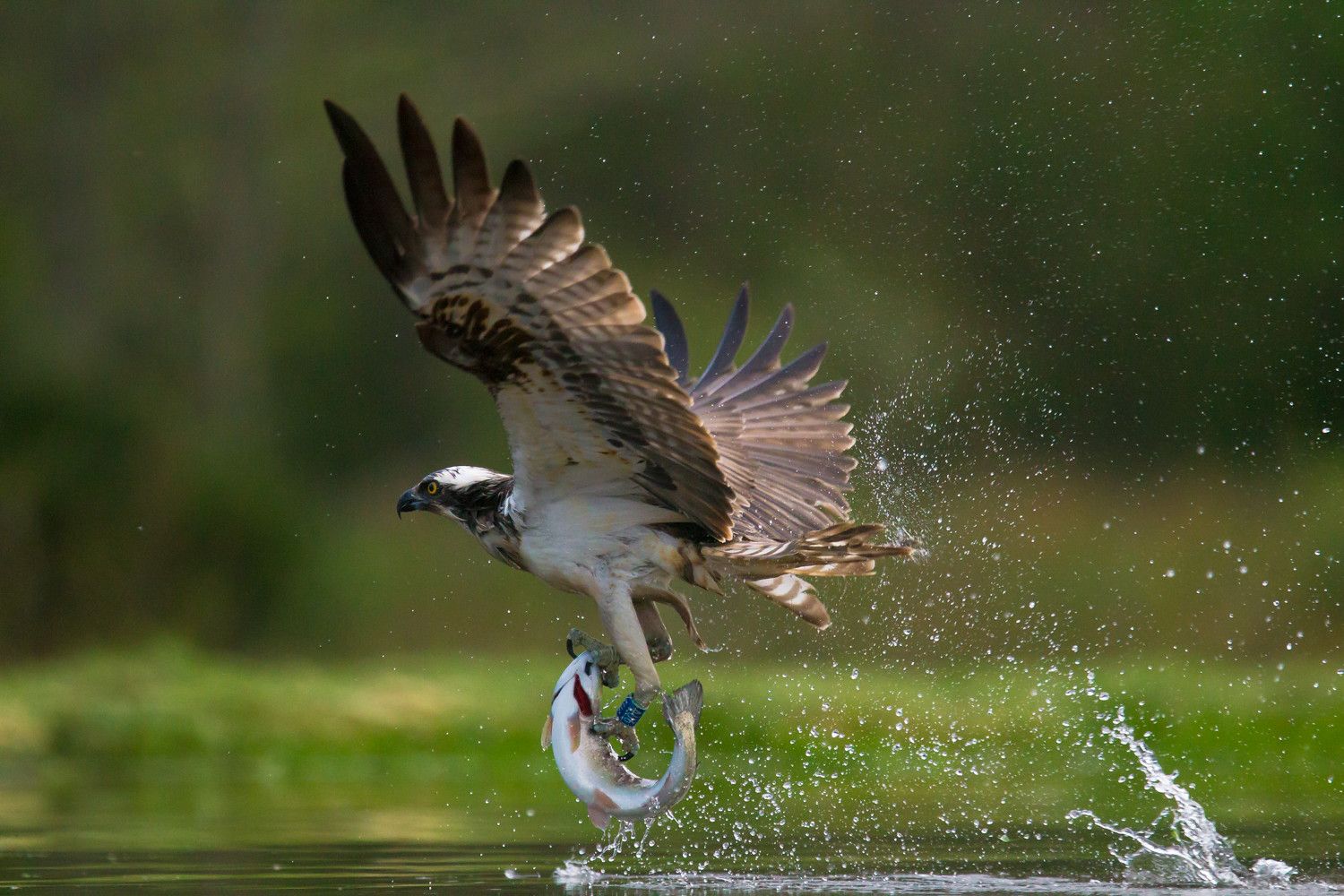
Llyn Brenig | Extra security measures have been added to the osprey nest in Llyn Brenig, north Wales, after the old nesting platform was cut down with a chainsaw in an act of vandalism last year. After the platform was rebuilt, the ospreys have returned and are currently incubating three eggs. Now, any potential wildlife criminals will have to contend with 24-hour surveillance, forensic grease, extra fencing, and "special covert measures we can't talk about", according to visitor attraction manager Nick Kite. Happily, the ospreys are doing very well, and the eggs could hatch any day now. The BBC reported the news.
Cambridge | A collection of dried plants at the University of Cambridge has been awarded Designated status by Arts Council England, reports the BBC. The herbarium was established in 1761 and is kept in climate-controlled conditions in the University Botanic Gardens. It holds more than one million plant specimens from around the world, 50,000 of which are deemed “type” specimens, meaning they are selected as the original reference to define a species of plant. The collection also includes almost 1,000 specimens collected by Charles Darwin on the Voyage of the HMS Beagle. The Arts Council Designation Scheme recognises pre-eminent collections of national importance held in England’s museums, libraries and archives.
Elsewhere:
- Gloucestershire Wildlife Trust has received £498,902 to create a 60-mile wildlife corridor connecting two of England’s largest woodlands.
- Natural England has asked residents of the Yorkshire Wolds to voice their opinions as the landscape is considered for AONB status, reports the Yorkshire Post.
- The Environment Agency has granted £99,876 to Lancashire Wildlife Trust for its Biodiversity Net Gain Investment Facility, a ‘market’ where businesses, organisations and individuals can support environmental projects in Greater Manchester.
- Natural Resources Wales has agreed a new five-year deal to protect the rare species of wildlife living in the dunes at Kenfig National Nature Reserve on the coastline of south Wales.
- Local police have warned rabbit hunters to stay off the nature reserve at Prees Heath in north Shropshire, reports the Shropshire Star.
- A 180-acre farm near Shotton Colliery, County Durham, is set to be afforested after a woodland consultancy company bought the land for £850,000, reports the Northern Echo.
- Natural Resources Wales are introducing a “Nofence” smart collar trial for livestock at Newborough National Nature Reserve to support sustainable grazing.
- The trial of a man charged with stealing peregrine falcon eggs has collapsed after the judge accused Derbyshire Policy of submitting inadmissible evidence, reports ENDS.
- In Dorset, a pair of protected herring gulls have chosen to construct their nest on the roof of a police car, taking it out of action because they cannot be disturbed, reports the Guardian.
Reports
Crustaceans | A new report into mass crab and lobster fatalities along the northeast coast has maintained that a harmful algal bloom was the most likely cause of death. In the report, the Environment Agency, Maritime Management Organisation and Cefas investigated a range of potential causes, including licensed dredging activity, chemical contamination, activities relating to offshore windfarms, presence of algal blooms and aquatic animal disease. No single, consistent factor was identified as the cause, but the algal bloom was determined to be “significant”. However, the report has not satisfied all parties: both fisherman and activists have continued to dispute the findings, pointing to dredging in the river mouth. Fisheries minister Victoria Prentis has promised that although the investigation has concluded, “we have not stopped listening.” The news was covered by the Northern Echo, Evening Standard, Yorkshire Post and Hartlepool Mail.
Trees | Defra has updated government policy to better recognise the value of England’s ancient woodlands and veteran trees. The policy paper “Keepers of Time” highlights that, although the government has made significant commitments to establish new trees and woodland across the country, it is also important to preserve those that already exist. In the paper, Defra promises to enhance the connectivity and resilience of ancient woodland; improve its ecological condition; conserve the rare, threatened or priority species relying on ancient and native woodland; and reduce pressures on the woodlands, ensuring they are more resilient to climate change, pests and diseases. In the foreword, environment minister Zac Goldsmith states: “In truth it’s not possible to fully and accurately capture the sheer range of benefits [ancient trees and woodlands] provide. But what we do know is that their value is vast, and too often underappreciated.” ENDS covered the news, while the Woodland Trust tweeted a thread on the new commitments.
Great news!🎉@DefraGovUK has committed to bring the majority of native #woodland in England into ecological restoration by 2030. This includes our irreplaceable #AncientWoodland - rich habitats that have been wooded for centuries🌳
— Woodland Trust🌳 (@WoodlandTrust) May 27, 2022
🧵#KeepersOfTime pic.twitter.com/HBQJv8PbWd
Land | With natural capital and afforestation driving up land values, a report by Scotland’s Rural College has identified risks associated with large-scale land acquisition. Farmland values across the UK rose by 6.2% in 2021, but Scotland experienced the strongest growth in values of over 31% overall and 60.8% for poor livestock land. This could lead to concentrated land ownership, limit community access and exclude new farmers, the report has warned. Following an evidence review by more than 60 experts, the report proposes various options for policy and practice, including new guidance that would prevent polluting industries reaching net-zero by offsetting rather than reducing their emissions at the source. The report also calls for support for alternative landowner models, such as community ownership, as well as addressing barriers to tenants engaging in ecosystem markets. Farming UK covered the research.
Science
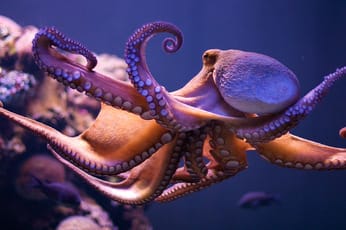
Coral | One of the UK’s rarest corals could expand its range as climate change warms the ocean, according to a study by the University of Exeter. The paper, which was published in the journal PeerJ, looks at the slow-growing pink sea fan coral, currently found in shallow waters from the western Mediterranean to south-west England and Wales. The coral is classified as vulnerable by the IUCN and is primarily threatened due to bottom-trawling fishing. However, warming seas could see it spread north as far as Scotland, according to the research. Researchers hope that the results of the study could be used to identify priority areas to protect the coral. The study also modelled another soft coral species called dead man's fingers, which it predicted would lose habitat in the southern part of the study area and see a similar increase in its northern range. The BBC and the Guardian covered the research.
Moths | Targeted restoration could help moths adapt to climate change by assisting free movement within landscapes, according to a study in Global Change Biology. Researchers combined data gathered by volunteers with computer simulations to predict the movement of different moth species in a changing climate. The predictions found that both farmland and suburban moths struggled to move across landscapes due to fragmented habitat, and identified landscape features such as rugged hills that seemed to slow their movements. Professor Tom Oliver, co-author of the study said: “Utilising predictions like these would enable us to effectively create moth motorways, helping endangered moth species reach new, more suitable regions more quickly in their bid to survive."
Goldfish | Attempting to free your pet goldfish could be harmful to biodiversity, according to a study in NeoBiota. To better understand the ecological risk posed by invasive species in the pet trade, researchers at Queen’s University, Belfast focused on the two most commonly traded fish species in Northern Ireland: goldfish and the white cloud mountain minnow, a species with a limited invasion history. The study used a new method for assessing ecological impacts and risks of invaders, based on availability, feeding rates and behaviour traits. The findings showed goldfish to be voracious, consuming much more than the minnow; much braver; and readily available worldwide. Lead author Dr. James Dickey said that goldfish pose a “triple threat” to native biodiversity in rivers and lakes and could eat up resources on which other species depend.
Driftwood
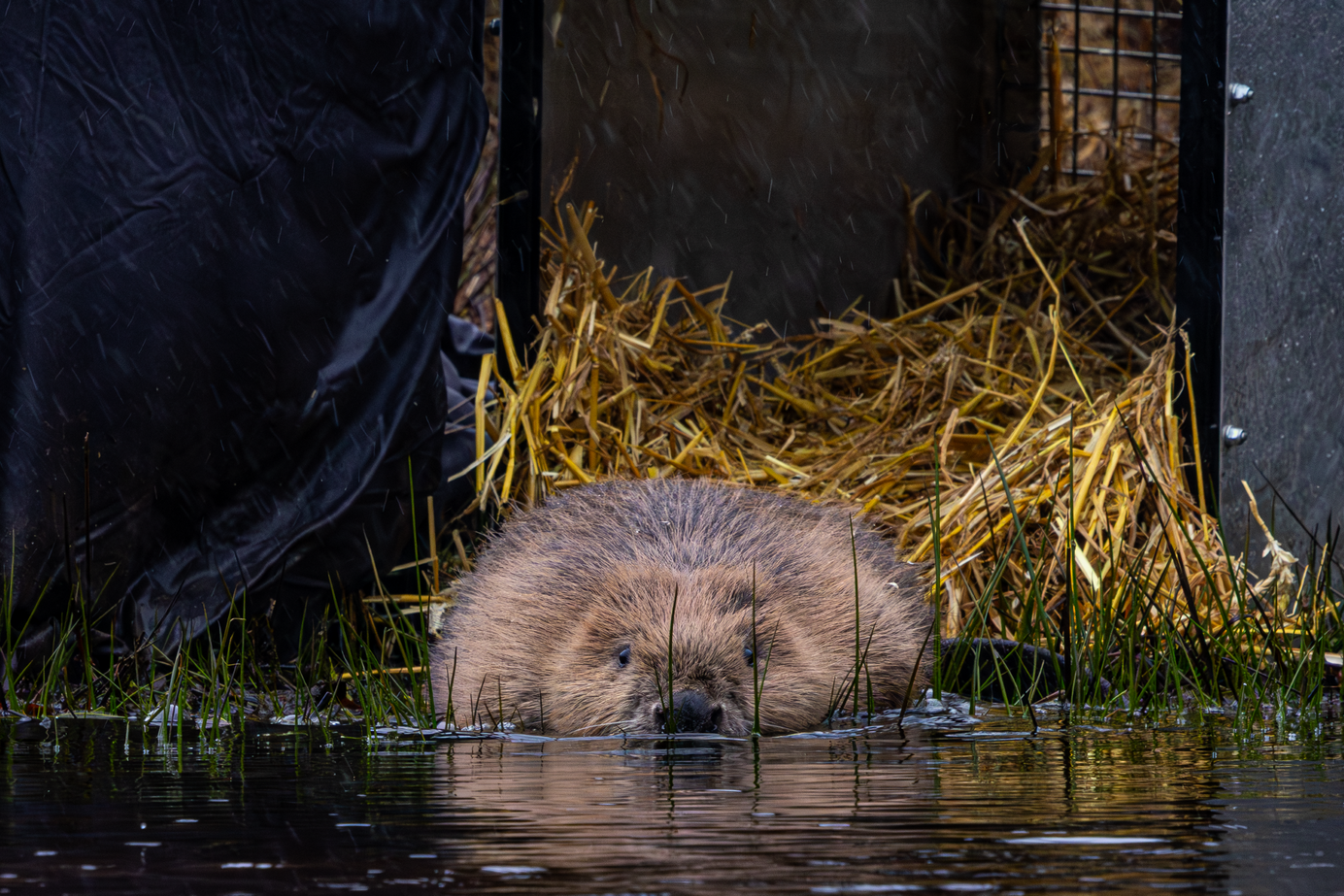
Rewilding | In an opinion piece for the Times, Jeremy Clarkson sets out the “subtle difference” he sees between rewilding and wilding. Rewilding, he claims, is “delusional twaddle” consisting mostly of reversing the Victorian trend of tidying in order to live a “better life surrounded by mud and thorns, in a putrefying fog of decaying flesh.” Wilding, in comparison, is using our understanding of science to encourage plants that are good for insects, birds and hedgehogs. The bottom line is that he didn’t enjoy the rewilded garden at the Chelsea Flower Show. In another opinion piece in the Guardian, Eleanor Salter argues that we should “root rewilding projects in people” by pushing for the democratisation of land ownership and ensuring rewilding projects secure homes for people as well as beavers. Finally in the Spectator, Julian Glover, who led the 2018 landscapes review, asks whether farmers and rewilders can find any common ground when the “much more profound threat” to the countryside comes from those who don’t care what happens to it at all.
Dairy | After a long and varied career as one of the fathers of Britain’s environmental movement, Simon Fairlie has now turned to a somewhat quieter existence as a dairy farmer, as outlined in this Guardian feature. Having been a hippy in the '60s and a pioneer of the road protest movement, he is now content farming small in the Dorset hills, producing dairy very locally for Monkton Wyld Court, a Victorian pile that hosts yoga retreats, campers and various alternative gatherings. An eloquent critic of consumerism, Fairlie is also a defender of activities many environmentalists now criticise, from cattle farming to wood stoves. “The majority of people in England are so detached from the land they don’t realise they’ve been dispossessed,” he says.
Sounds | How might we relearn to hear the non-human world, both as a source of joy and as a way to ground ourselves in the living world? So asks David Haskell in a Guardian article on the top ten books about listening to nature, from the sound of a wild snail eating to the search for one square inch of moss-covered forest protected from human noises. If tuning into nature appeals and you haven’t already, check out our latest feature: Six Thousand Years of Forests, an immersion into the sounds and sights of British forests, from the primeval wildwood and into the future. Published just last week, it’s already our most-read article ever.
Further reading:
- Rewilding the sea is easier than you think, according to a book by Charles Clover, director of the Blue Marine Foundation charity, reviewed in the Telegraph.
- Councils and community groups are dealing with the cost of living crisis by planting edible forests of fruit trees, writes the Times.
- An editorial in the Guardian laments the declining beauty of Britain’s disappearing butterflies.
- A feature in the Telegraph examines the recent spike in deaths of white-tailed eagles since their reintroduction in 2019.
- A blog from Scottish Environment Link argues that the Cairngorms National Park plan should be an opportunity to secure and increase rural jobs, not threaten them.
- The British countryside is the Briton's second favourite thing about Britain, according to a YouGov survey.
- A policy statement from the Game and Wildlife Conservation Trust raises concerns over planned reintroductions of pine martens.
- 3:AM Magazine features an excerpt of Patrick Galbraith’s book In Search of One Last Song, titled ‘A Drive to the Sea’. Inkcap Journal published a different excerpt about hunting muntjac deer.
Happy days
Springwatch | A new series of BBC Springwatch returns to screens this week, based from Wild Ken Hill in Norfolk. Conservationist and Springwatch presenter Chris Packham has said that people must not forget about the simple joys of nature they came to appreciate during lockdown, and the show will celebrate moments such as the birth of wild badgers and a live stream from a bee colony. Wild Ken Hill is a conservation and sustainable farming project on the west coast of Norfolk; in September, it will host a one-day nature festival, with writers, authors and speakers delivering a varied programme of readings, workshops and performances all designed to inspire audiences about the natural world.

Subscribe to our newsletter
Members receive our premium weekly digest of nature news from across Britain.
Comments
Sign in or become a Inkcap Journal member to join the conversation.
Just enter your email below to get a log in link.