Nature at COP & 250,000 Cats
The latest news on nature and conservation in Britain.
Welcome to Inkcap Journal, a newsletter about nature and conservation in Britain. This is the Friday digest, rounding up all the week's news, science, reports, comment and more. Sign up to receive a free one-month trial.
National news
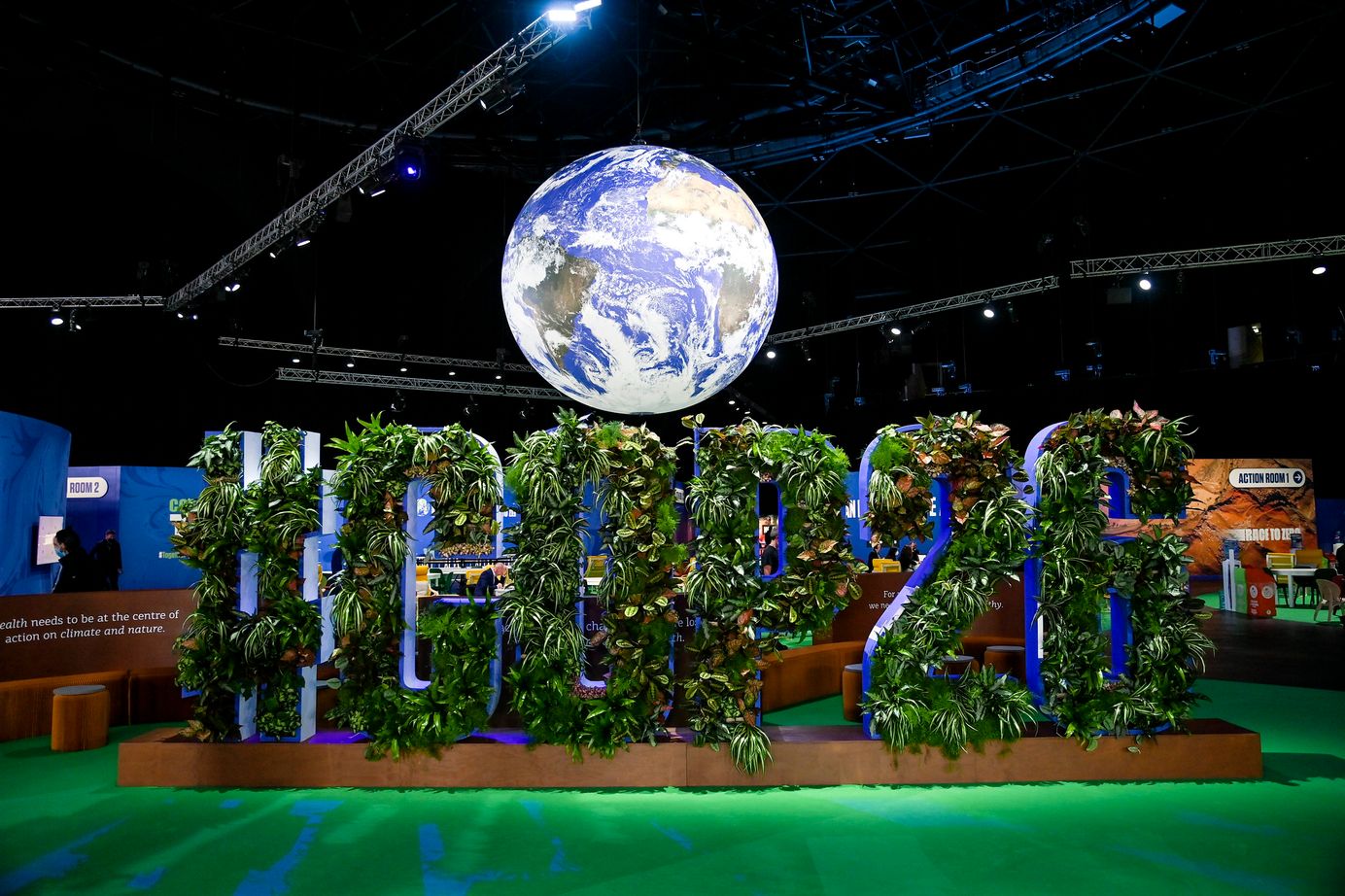
COP26 | The internet has been awash with COP26 news this week: this is our attempt to round up the most relevant bits for nature in Britain. One of the headline achievements so far is a commitment by more than 100 world leaders to halt and reverse deforestation and land degradation by 2030 – the BBC has all the details. Environment minister Zac Goldsmith said that it was “genuinely unprecedented”, reports the Guardian. The RSPB spelled out the implications for nature: “Many of our summer birds such as house martins rely on the forests of Africa for their winter home, but deforestation is putting them at risk while also releasing carbon into the atmosphere.” The Woodland Trust stressed that the UK has one of the lowest levels of tree cover in Europe and that “global action must begin at home.” Yet, grilled by LBC on what this meant for woodland destruction linked to HS2, environment secretary George Eustice said that the pledge wasn’t “banning the felling of all trees” but was instead aiming at “no net loss in forests by 2030”. The Scottish government, meanwhile, stressed that the country’s rainforests would be “restored and expanded as a natural solution to the climate emergency.” The news was covered by the Scotsman. There was also the announcement of a global partnership to cut methane emissions by 2030 – a potent greenhouse gas that, in the UK, is largely associated with livestock, and particularly cattle. But, according to the National Farmers Union, there will be no need to reduce herd sizes, as targets can instead be met through changes to farming practices and new technology. In further COP-related nature news, delegates have been given seeds from the only surviving black pine tree planted by the suffragettes; David Attenborough stole the show; and the historic docks of Govan are being transformed into a wetland. James Lloyd of Nature4Climate wrote more about the role of nature-based solutions in the Independent; and Professor Jeff Ollerton questioned why grasslands hadn’t received more attention.
Rewilding | The talk of the town this week has been Real Wild Estates, a new start-up backed by L’Oréal that aims to acquire land for rewilding – and then make a healthy return for investors through ventures such as tourism, offsetting and government subsidies. The business has hired Ben Macdonald, author of Rebirding, as its head of nature restoration – he outlined their plans in a lengthy Twitter thread. The news was also covered by the Guardian. The response was extremely polarised, with some welcoming the new initiative and others expressing concerns about the commercialisation of nature and the disenfranchisement of communities, particularly in Scotland. SNP president Mike Russell called it a “modernised version of landlordism”. There is further coverage of the backlash in the Times. Community Land Scotland also wrote to Macdonald, accusing the proposal of being “disconcerting and out of touch”. Separately, solar entrepreneur Jeremy Leggett’s attempts to create a “mass ownership” company that would hold shares in one of his rewilding estates has failed, as crowdfunding platforms have deemed it too “high risk”. The Times covers the story.
Trees | Discontent over tree planting schemes in the Welsh countryside is rumbling on. This week, the Spectator profiles the efforts of a Carmarthenshire village, Cwrt y Cadno, which is resisting the plans of a private equity firm, Foresight, to grow a forestry plantation on a local farm, generating carbon offsets for big polluters elsewhere. “As farmers, we are strongly resistant to the planting of trees on our best land. The loss of farms for complete afforestation is highly emotive,” said John Mercer, director of the National Farmers Union in Wales, who farms the neighbouring land. At the other end of the scale, the NFU’s scheme to increase tree coverage on farmland itself – but not through complete afforestation – has gained the support of several members of the Senedd, reports the Denbighshire Free Press. In other Welsh farming news, the Radnorshire Wildlife Trust has also bought a farm, with the help of a group of private investors, which they plan to transform into a haven for re-establishing wildlife. The news was covered by Wales 247. Elsewhere, the BBC reports that a farmer has been fined £15,000 for planting trees in the wrong place on his Powys farm – sometimes by as little as 10cm.
In other news:
- National Trust members have voted to ban trail hunts on its land, reports the BBC.
- A third of England’s vital flood defences are in private hands, which means that their owners cannot be forced to make upgrades, according to a Guardian investigation.
- Environment secretary George Eustice has signalled his support for meat taxes in an interview with the Telegraph.
- Tropical egrets are gaining a foothold in Britain, reports the Times.
Across the country
Powys | Natural Resources Wales has failed to convict anyone at the conclusion of its investigation into a major pollution incident on the River Llynfi. Despite the deaths of around 45,000 fish in July last year, the agency said there was “no realistic prospect of conviction". NRW has been heavily criticised for the lack of action, with councillors branding the agency as “feeble” and “not fit for purpose”. In a press release, NRW Operations Manager Ann Weedy said the officers involved were “appalled by the damage” and “are very disappointed that we have not been able to bring those responsible to justice.”
Redcar | Thousands of dead crabs and sea creatures are washing up on beaches along the North East coast, and no one knows why. The Environment Agency has reportedly ruled out sewage pollution as the cause, while Defra suggested the influence of seismic activity and wind turbines. Redcar, one of the areas which has seen particularly high numbers of dead crustaceans, has 27 offshore wind turbines just over 1km from shore. However, investigations are ongoing and there is not yet a conclusive resolution to the mystery. The news was covered by Chronicle Live, the Northern Echo and the Guardian.
Derby | Plans are afoot to rewild Allestree Park in Derby. Derby City Council will consider the plans next week, and if approved, the project would be the first large-scale urban rewilding project in the UK. The 320-acre city park previously played host to a golf course, but Derbyshire Wildlife Trust hopes to create new habitats such as woodland, grassland, wetland and scrubland through minimal intervention, and reintroduce key species such as water vole, red-backed shrike, dormice and harvest mouse. Professor Alastair Driver, director of Rewilding Britain said: “We at Rewilding Britain are very excited that subject to Cabinet approval, Derby City Council are about to become bold pioneers for urban rewilding in the UK, no doubt inspiring many others to follow suit.” The news was covered by the BBC, Derbyshire Wildlife Trust and the Derby Telegraph.
Elsewhere:
- More than 200 homes are set to be built in Selby, despite fears for nearby ancient woodland, reports the Yorkshire Post.
- Oxford City Council has been using documentary research and archaeology to revive lost meadows – and the approach is now yielding botanical dividends.
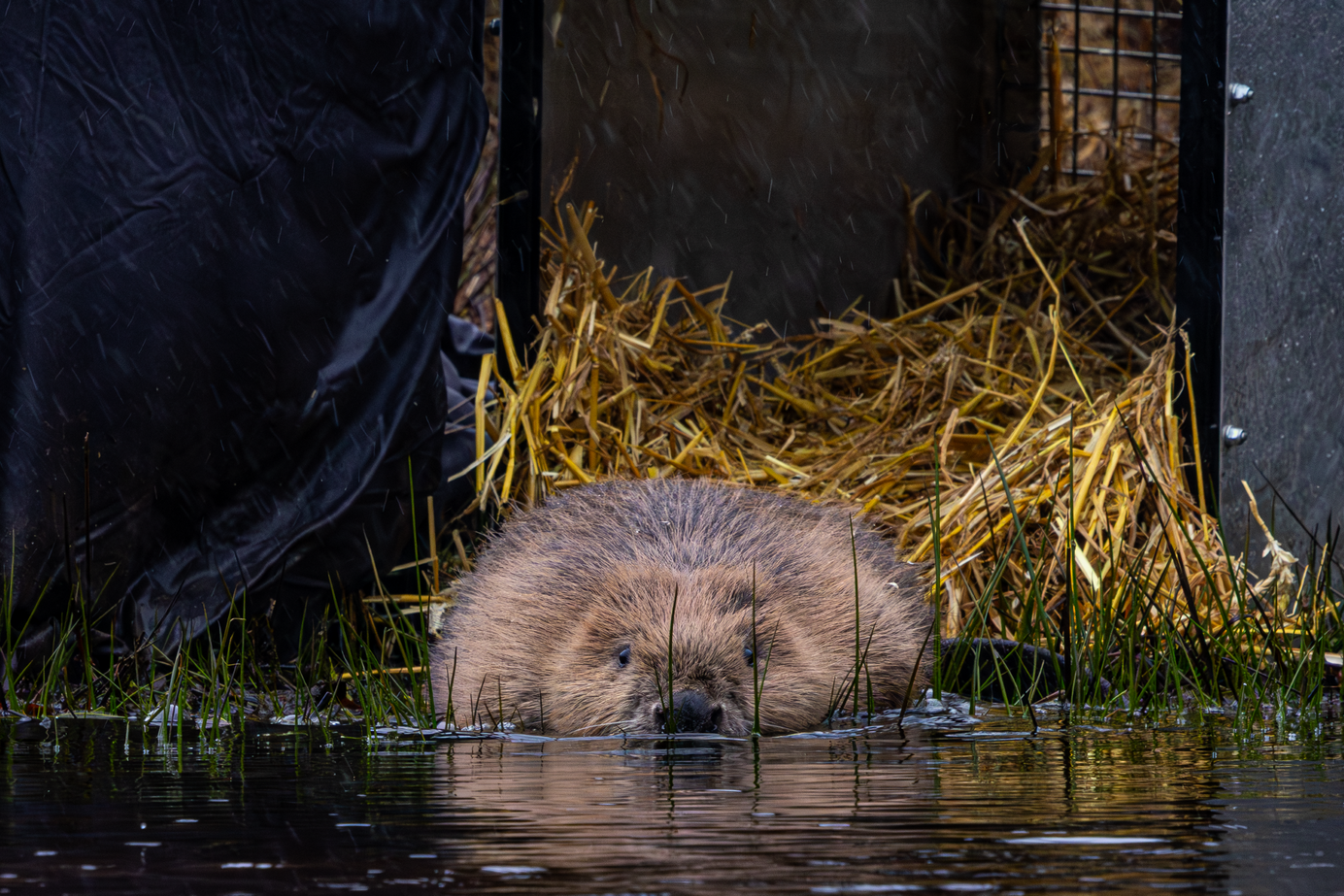
- On the River Otter, England’s only colony of wild beavers is being threatened by sewage, reports the Times.
- Yorkshire Water is ‘committed’ to reducing the amount of sewage it dumps, according to the Yorkshire Post.
- A blunder by Cardiff council has resulted in polluted water from landfill leaking into a river, reports the BBC.
- Scottish Water is working with community groups to restore eroding and damaged peatlands on Lewis, reports the Press and Journal.
- The BBC features a study by the University of Plymouth which shows that warmer coastlines will impact significantly on wildlife.
- Edge Green Common, a wetland in Wigan, is set to return to its former ‘carbon capturing and wildlife abundance glory’, according to The Wildlife Trusts.
- High in the Cairngorms, the UK’s ‘longest-lasting’ snow patch has melted away, reports the BBC.
Reports
Sewage | The government has released its Storm Overflow Evidence Project, detailing the potential approaches and costs of reducing sewage discharges into rivers and oceans. This is particularly significant, given that MPs were accused of erroneously suggesting that it would cost more than £600 billion to fix the problem. In fact, the report finds that the more reasonable intervention of reducing spills to 10 times or fewer per year in sensitive catchments would cost between £18 billion and £110 billion, increasing household water bills by up to £208 per year. Doing nothing, it adds, would result in a further 13% of water bodies failing to achieve good ecological status. “This is unacceptable to us, the public, and puts government at odds with the 25-year Environment Plan,” said the Rivers Trust in a press release.
Birds | The British Trust for Ornithology (BTO) has released a report looking at the impact that climate change has already had on UK bird populations, as well as how large-scale climate mitigation efforts could transform landscapes in ways that significantly impact their feathered inhabitants – including wind farms and tree-planting. It found that breeding seabirds, including puffins, were the most vulnerable to change, while warmer temperatures were conversely contributing to population increases and expansion in breeding waterbirds, including species colonising from continental Europe.
Oceans | Funding for ocean-based climate solutions is a ‘drop in the ocean’, according to a report by Deloitte in partnership with the Whale and Dolphin Conservation and the Marine Conservation Society. Their research found that less than 1% of global climate finance is spent on the ocean, despite our seas capturing and storing 25% of carbon emissions. “Despite the ocean’s scale and importance, climate finance is unfairly skewed away from nature-based solutions – and the little investment in nature that occurs is generally directed towards better understood or more visible terrestrial ecosystems,” said Deloitte’s Mike Barber.
Science
Cats | In the first study of its kind, researchers have estimated there are nearly a quarter of a million unowned cats in urban areas of the UK. The study, published in Scientific Reports, used a combination of citizen science and expert data to model unowned cat populations at large spatial scales. It found that numbers of unowned cats were likely to be highest in socioeconomically deprived and densely populated areas. The study highlights that the population of unowned cats is a cause of conservation concern, since high numbers of uncontrolled felines contribute to increased predation, competition and disease transmission. The Guardian covered the study.
Dragonflies | Neonicotinoid pollution results in a decline in dragonfly emergence, according to a study by scientists at the University of California. While the impacts of neonicotinoids on pollinators are well known, there is growing evidence that they are particularly harmful for aquatic invertebrates. The British Dragonfly Society points out that this is particularly concerning, considering that half of the British rivers sampled by Buglife in 2017 contained chronic or acute contamination levels. The study authors conclude: “Given the urgency of the insect decline, our results highlight the need to reconsider the mass usage of neonicotinoids to preserve freshwater insects as well as the life and services depending on them.”
Herbivores | Large herbivores are not entirely to blame for depleted vegetation, according to a study in the Journal of Applied Ecology, despite being widely blamed for “overgrazing”. The authors found that net primary productivity was higher in protected areas across Africa where there were lots of large herbivores. In other words, explained co-author Chris Sandom, “the more productive the ecosystem is, the more large herbivores it supports.” He adds that, in Scotland, deer aren’t the environmental villains they are often portrayed as, but are simply making the best of things in an already severely degraded landscape. The idea is explored further in this Twitter thread.
Driftwood
Rainforest | Atlas Obscura has interviewed Guy Shrubsole about his efforts to map Britain’s temperate rainforests. Shrubsole, who has a book on these forests coming out next year, is creating the first comprehensive map of their locations. “Temperate rainforests would have been felled as long ago as the Bronze Age to clear space for farming. That’s understandable,” he says. “What’s more tragic is what has happened in recent decades. We still had more of these rainforests up until recent times, but when the Forestry Commission was formed in the early 20th century, it decided to fell old ancient woodland and planted conifers instead.”
Swimming | The news is still awash with stories about sewage, with a few this week focusing on people in the water. The Times profiles how Hugo Tagholm, the man behind the charity Surfers Against Sewage, is tackling the issue of raw sewage being dumped on British beaches. The Times also reports that beauty spots popular with swimmers and tourists are among the country’s worst sewage spill sites. The BBC reports that a group of wild swimmers known as the Manningtree Mermaids staged a protest in the River Stour, while in St Ives, open water swimmers are quitting due to the risks posed by sewage discharge.
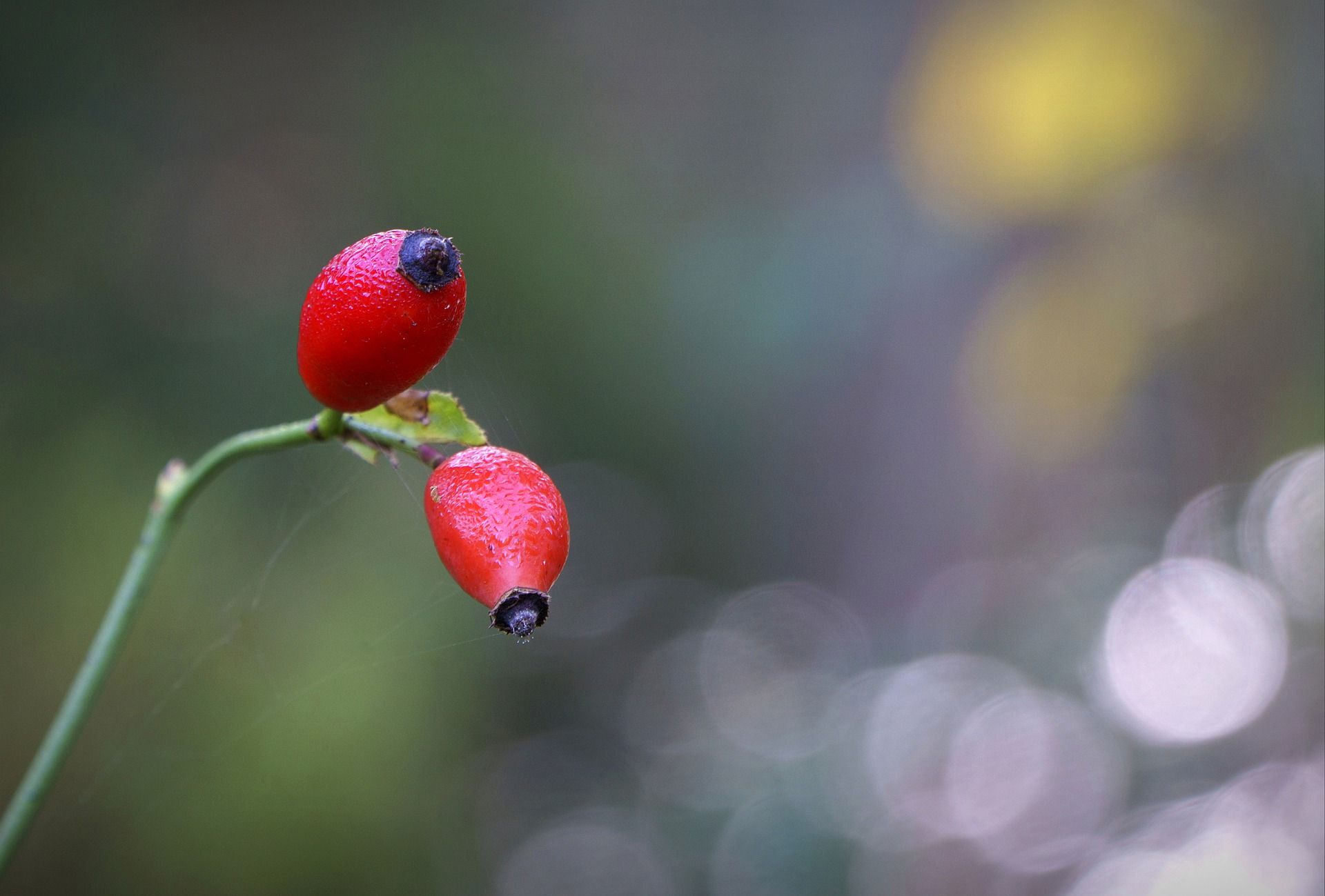
Foraging | Nature writer John Lewis-Stempel pens a love letter to foraging in Country Life magazine, pointing out the madness of importing berries from abroad while ignoring the bounties of our own hedgerows, including rosehips. It is also, he writes, a good way to truly connect with nature. “Do we not miss something if our fingers have never felt the sealing-wax smoothness of the rosehip, suffered the scratch of the bramble or rubbed the dull dust of yeast from a sloe’s skin to reveal the intense, lustrous purple below? And are we not actually closest to Nature, valuing it most, when we pick it — when we are inside the food chain ourselves?” As a bonus, it also contains a recipe for chocolate sloes.
Further reading:
- The Financial Times interviews Partha Dasgupta, the professor behind the Treasury’s review of the economics of biodiversity.
- Researcher Magnus Davidson writes of the need to put people at the heart of Scottish restoration efforts for Reforesting Scotland. Steve Micklewright of Trees for Life has a similar message in this article for the Press and Journal.
- Forest schools are flourishing, reports the Guardian.
- The Times profiles Alasdair Sutherland, the lawyer who represented Trees for Life in the lawsuit over beaver culling.
- Crofters can help to tackle the climate crisis, according to Donald MacKinnon, chairman of the Scottish Crofting Federation.
- A new exhibition reimagines classic masterpieces for the 21st century – including a rural Constable scene complete with crop-monitoring drones.
Happy days
Photography | If you need some nature-based relief from COP26 and sewage, then look no further than the British Ecological Society’s ‘Capturing Ecology’ photography competition. You can even explore their virtual exhibition. The BBC ran a piece on the winning shot from Shetland, which isn’t quite what it seems at first glance...

Subscribe to our newsletter
Members receive our premium weekly digest of nature news from across Britain.
Comments
Sign in or become a Inkcap Journal member to join the conversation.
Just enter your email below to get a log in link.