Hen Harrier Recovery & Haiku Ecology
The latest news on nature and conservation in Britain.
National news
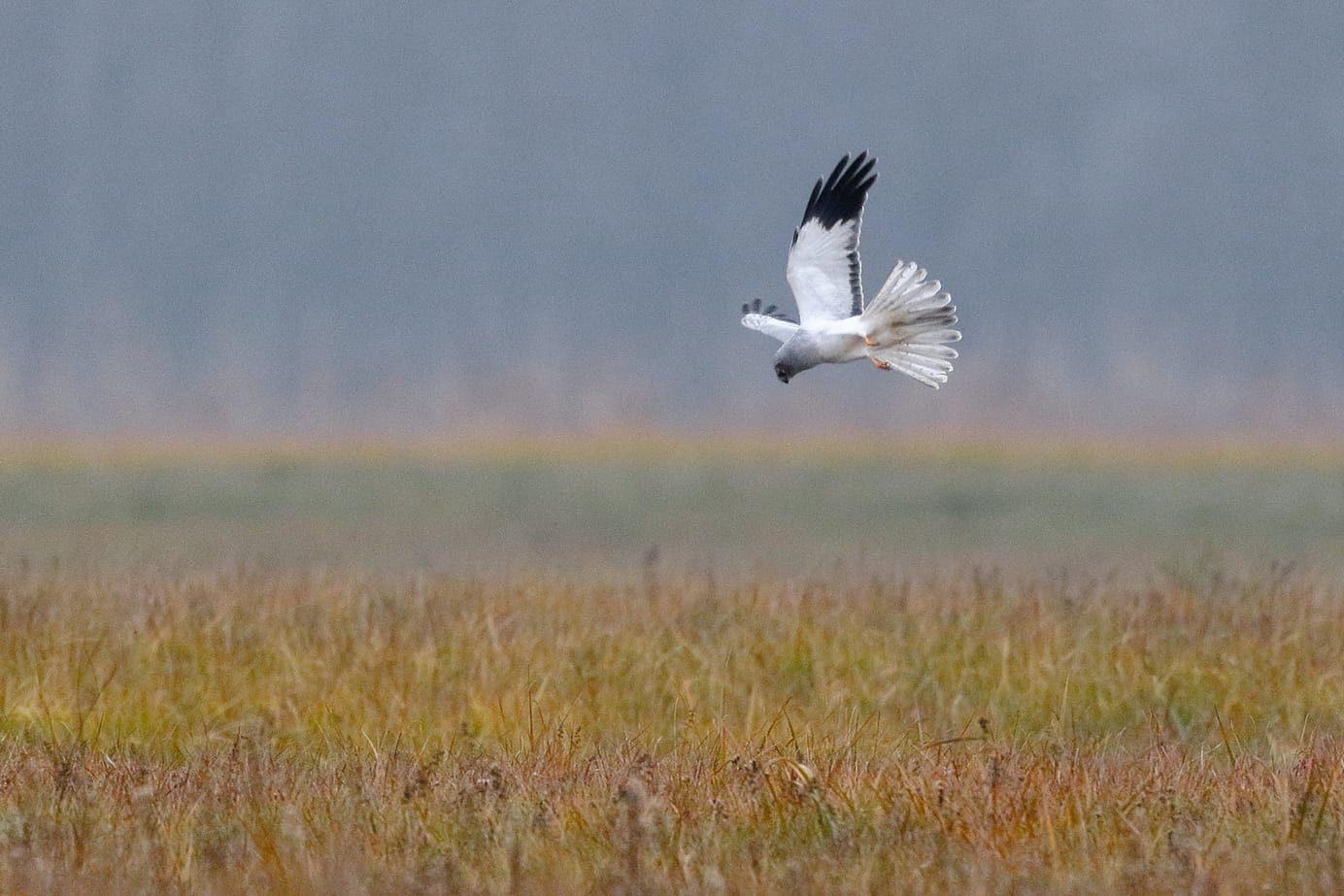
Harriers | Results from the 2023 hen harrier survey have revealed that the UK population of harriers is on the rise, but numbers are still severely hampered by illegal persecution. The figures show that the UK population has increased by 20% since the last survey in 2016, from 545 pairs to 653. The increase is a cause for optimism, but harriers are still far less abundant and widespread than they should be, and are missing from large areas of ideal habitat where grouse moors are found. ‘With the UK population at around a quarter of its estimated potential, there is so much more to do to secure a meaningful recovery,’ according to Simon Wotton, RSPB conservation scientist. A significant obstacle is illegal persecution, with 32 satellite-tagged harriers going missing or confirmed as killed in England last year: the highest recorded number in one year. The RSPB said it hopes the success of the Muirburn Bill in Scotland, which has introduced licensing for grouse shooting, will lead to similar legislation in England. The Guardian and BirdGuides covered the news.
Fishing | Less than half of the government’s agreed fishing quotas for 2024 are in line with scientific advice for stock sustainability, according to the government’s own assessment. The Centre for Environment, Fisheries and Aquaculture Science (Cefas) assessed the catch limits negotiated with the EU and countries like Norway, and found that less than 46% were in line with advice published by ICES, the benchmark for sustainable fishing. The figure is up from 2023 – when only 40% of catch limits were in line – but conservation campaigners say it is unacceptable to allow overfishing to such an extent. Charles Clover, co-founder of the Blue Marine Foundation, branded the agreed limits for threatened species such as Celtic Sea cod as ‘absolutely outrageous’: despite an advised catch of zero, the UK has agreed 644 tonnes can be taken as ‘bycatch’. Clover added that the government is not only putting fish populations at risk, but also the fishing industry and coastal communities. The Independent covered the news.
Rain | The weather of the last six months has been almost unprecedentedly rainy, and farmers are struggling as a result. According to a report by the Agricultural and Horticultural Development Board, the most recent autumn and winter period has been the second wettest since records began in 1837. The deluge has put winter crops at risk, with farmers warning that this could be the first time since World War II that some farms fail to produce a harvest, reports the Telegraph. Even normally well-drained golf courses have had to close, reports the Times. While the government announced new grants to help farmers recover from recent damage, the rollout has not gone smoothly; some were told they were ineligible for help because the affected land was too far from the river. The Independent covered the story. Separately, a report for WWF Cymru has estimated that extreme weather caused by climate change is already costing farmers in Wales tens of millions of pounds, reports the BBC.
In other news:
- Using government data, campaigners have found pesticide residues containing toxic PFAS chemicals on food products from strawberries to potatoes. The Times, ENDS and Buglife covered the news.
- Defra has made £20m available under the Woodland Carbon Guarantee to support woodland creation and help tackle the twin crises of climate and biodiversity.
- The walking charity Ramblers, backed by Paralympic gold medallist David Weir, is calling on the government to improve the accessibility of countryside walkways, reports the BBC.
- The government has said it has ‘no plans’ to change Natural England’s protected site designation powers after 18 Tory MPs backed a bill for that purpose, reports ENDS.
- In the journal Sustainability, a paper evaluates the goals and targets of the UK government’s 25-year environmental plan in light of the CBD 2030 Framework.
Across the country
Lancashire | Britain’s loudest bird is having an ‘incredible’ start to the breeding season, according to the RSPB. The charity reported that ten male bitterns have already been heard at Leighton Moss reserve in Lancashire, the highest number since the 1990s. The reserve is home to the largest reed bed in the northwest of England, providing ideal habitat for the secretive birds. Bitterns went extinct in the UK in the 1870s, and conservationists have worked hard to understand the specific needs of the species since its return. So far the RSPB has recorded 234 males across England and Wales, including at 11 new locations. Site manager at Leighton Moss, Jarrod Sneyd, said that their ‘cryptic camouflage and stealthy behaviour can make them very difficult to see, so hearing their boom is one of the only ways we ever know how many there are’. The BBC, the Guardian and BirdGuides reported the news.
Kent | The UK’s largest ever moth conservation project, held in Kent, has been heralded as a ‘fantastic success’. Kent is home to the greatest concentration of rare and threatened moth species in the UK. The project was launched by the Butterfly Conservation in 2021, and since then has involved more than 26,000 people taking part in 345 events. These included sowing seeds for moth plants, creating new habitat, and handling threatened species on the White Cliffs of Dover. The project even discovered a new breeding population of the rare White-spotted Sable moth. ‘People sometimes think moths are dull or even scary, but that couldn’t be further from the truth,’ according to Conservation Officer Rebecca Levey. The BBC covered the story.
Anglesey | A grey squirrel found and captured on Anglesey may have reached the island in ‘Mission Impossible’-style, by hitching a ride on a train or car, according to experts. Anglesey is home to Wales’ largest population of red squirrels, and greys carry the lethal threat of squirrelpox: a highly infectious disease which only affects red squirrels. Dr. Craig Shuttleworth said that greys are ‘very invasive’ and have previously found different ways of reaching the island, including crossing in vehicles and even swimming across the Menai Strait. This individual was first spotted by a member of the public in mid-February, and it took weeks for Shuttleworth to capture it, using wildlife cameras and traps, before it could be euthanised and tested for pox. The researcher added that ‘we never demonise grey squirrels’, saying they are ‘fascinating’ and that nothing surprises him anymore. The BBC covered the story.
Elsewhere:
- The Royal Zoological Society of Scotland has made the first ever release of threatened Dark Bordered Beauty moth eggs, with 750 eggs released in the Cairngorms, according to Buglife.
- The Eden Rivers Trust has received a £2.6m grant from the National Lottery Heritage Fund to remove barriers from people and wildlife accessing Cumbria’s rivers.
- On Monday, singer Feargal Sharkey joined campaigners to protest the ‘poisoning’ of Lake Windermere with sewage, reports the BBC and the Times.
- The Tees River Trust is replanting seagrass in the Tees Estuary after a failed attempt last year, reports the BBC. Meanwhile, a donation of £140,000 will be used by the Cumbria Wildlife Trust to restore a vast area of seagrass near Roa Island in the Walney Channel.
- Experts are using remote cameras to understand why the last known nesting puffins on the south coast of England, in Dorset, failed to raise chicks to maturity last year, reports the BBC and BirdGuides.
- The Environment Agency has launched a national research project to study saltmarsh in England, including installing flux towers in Lincolnshire and Essex.
- UK beer makers, including the Stroud Brewery, are trialling new varieties of organic hops that are resilient to climate change, reports the BBC.
- Natural Resources Wales has reintroduced dozens of rare Shore Dock plants along the Glamorgan Heritage Coast in South Wales.
- Guernsey’s Nature Commission has challenged islanders to survey shark egg cases and 14 species of seaweed to help document the effects of climate change, reports the BBC.
- Wirral Council has been awarded £300,000 to transform 60 hectares of land into a diverse range of wetland habitats, reports BirdGuides.
- West Suffolk Council’s decision to protect the Bury St Edmunds’ water meadows has been described as the ‘best council decision in 1000 years’, reports the BBC.
- Fife Council has transferred ownership of a community woodland in Crail to a local partnership for the sum of £1, reports the Herald.
- Volunteers for Friends of the Lake District are working to collect around 6,000 plastic tubes which were used to protect newly planted trees, reports the BBC.
- South West Water is reusing conifer trees removed from treatment works in Devon to help restore peatlands, reports the BBC.
- Locals are angry after a reservoir in Llanwonno forest was drained without warning, although Welsh Water says it plans to turn it into a natural lake. The BBC and Wales Online reported the news.
- Volunteers in Bath have helped the highest number of toads to safely cross a road in 14 years, reports the BBC.
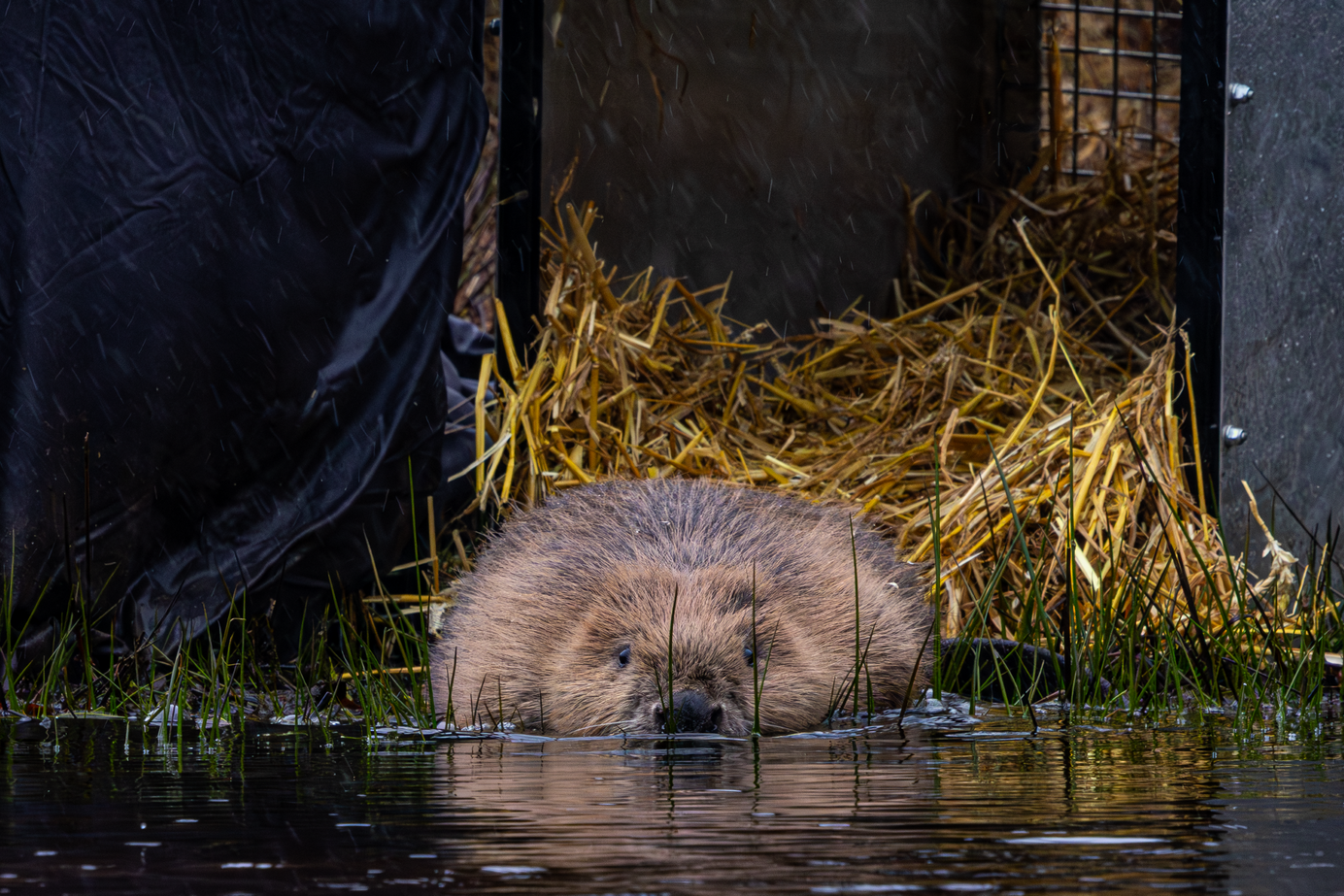
- Forestry England has released a family of beavers into an enclosure in Wyre Forest, Worcestershire, as part of their work to bring the species back to the nation’s forests.
- A non-profit group in Oxford is urging the university's colleges to support local farmers and become more sustainable.
- The South Downs National Park Trust is granting shares of £130,000 to 13 community-led environmental initiatives, from establishing new wetlands to saving the juniper tree, reports the BBC.
Reports
Parks | Only six percent of National Park land in England and Wales is managed effectively for nature, according to a report by Campaign for National Parks. While it found that the parks are home to vital fragments of priority habitat and refuges for disappearing species, it also concluded that Parks are failing to tackle the biodiversity crisis due to a chronic lack of government funding, and because they were designed for a different era. First created 75 years ago, National Parks were meant to curb urbanisation; although helping wildlife is one of their statutory duties, the parks have not changed their founding mission to reflect 21st-century crises, according to the report. In light of the findings, the CNP is calling for a new financial deal for national parks, as well as a range of measures including bans on moorland burning and forestry plantations on peat soil. The Guardian covered the news.
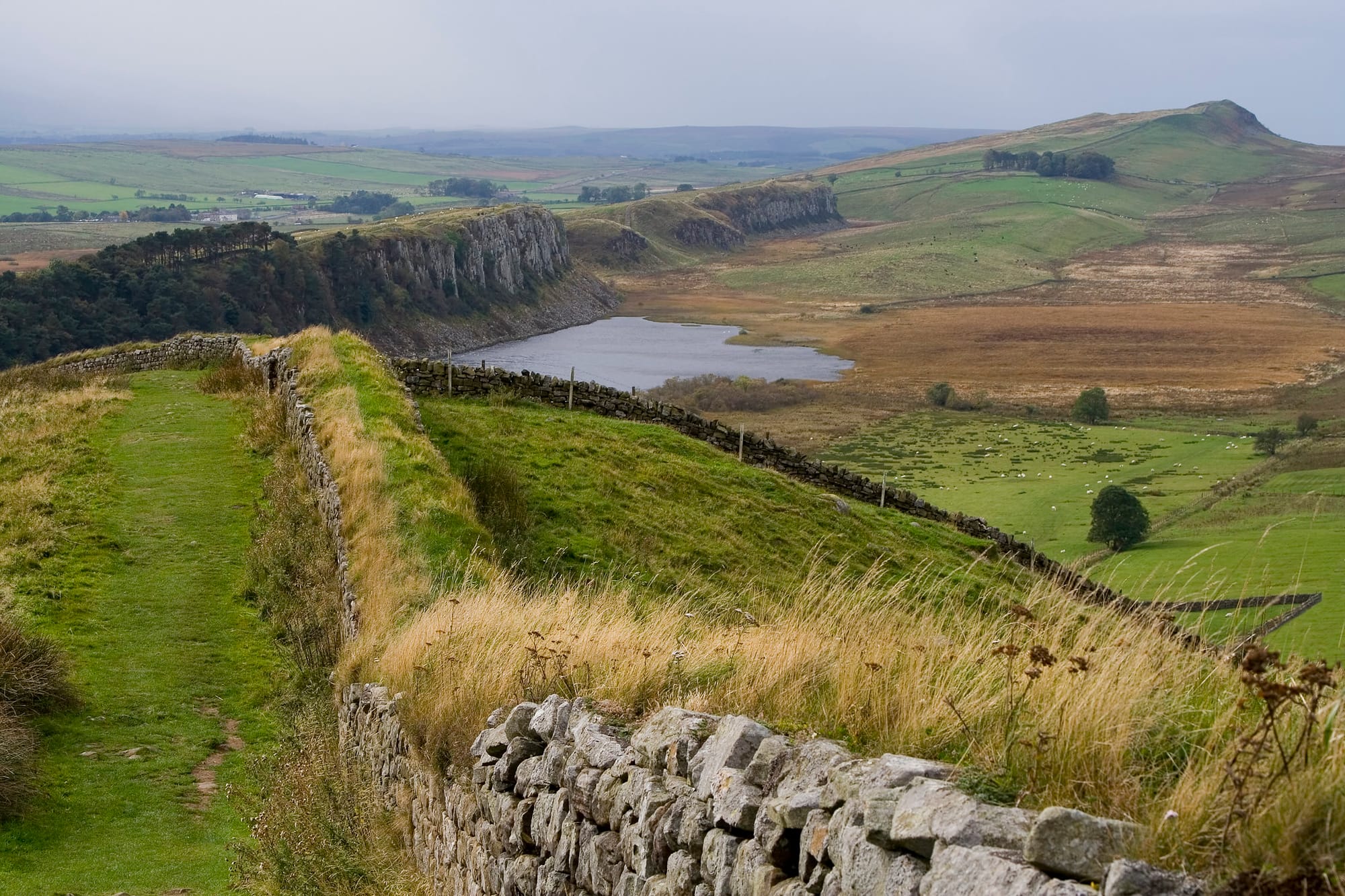
Dartmoor | The government has published its response to the independent review of protected site management on Dartmoor. Significantly, the government has backed the review’s recommendation to create a new body aimed at transforming the management of Dartmoor. A Land Use Management Group (LUMG) will be set up later this year and will run for two years. The government’s response also includes a ‘number of priorities’ to support sustainable food production, including boosting farmers’ confidence in Environmental Land Management schemes and encouraging ‘collaborative relationships’ between Natural England and commoners. Dartmoor National Park Authority has welcomed the government’s swift action following the review, while Natural England said it ‘strongly supported’ the response. The BBC reported the news.
Climate | A ‘Climate Change People’s Panel’, composed of 23 randomly selected members of the public, has called on the Scottish government to do more to engage the population on climate change. Their report, which examines the government’s engagement strategy, concludes that the government ‘could be more ambitious, delivering a positive narrative and enabling Scotland to set a standard of excellence’. The panel will formally present its 18 recommendations on 16 April. These include making climate change a compulsory subject in school, longer-term funding for climate hubs, and a consistent media campaign to share climate success stories. STV News and Insider covered the story.
Science
Haiku | What can haiku tell us about insects? A surprising amount, it turns out. Two American entomologists studied nearly 4,000 haiku that reference arthropods, noting the taxa and traits mentioned and how they changed over time, as a means of inferring how the public conceives of the insect world. The poems reference at least 99 families of arthropods, of which the most common was Lepidoptera, and are most concerned with habitat, phenology and time of day. The ecological and biological knowledge displayed in the poems tallied with that which is best understood by children. This information can help educators and entomologists to better engage with the public. For instance: ‘The absence of aquatic arthropods in haiku may represent a gap in the public’s knowledge of these organisms and hence an opportunity for novel engagement.’ The study was published in Plos ONE.

Rewilding | A paper published in the Journal of Ecology reviews an innovative way of considering the impacts of rewilding: plant traits. Most studies to date have focused on the impact of reintroductions on species richness, but herbivores also impact how plants grow and behave, and which traits appear most prominently within the ecosystem. For instance, by growing spines, thorns or prickles, plants can protect themselves against the nibbling mouths of mammals. Understanding these responses can help rewilders to better predict the impacts of their interventions. The co-author of the study, Jens-Christian Svenning, also published a paper this week on the impact of climate change on habitat availability for large herbivores across Europe, finding that only under the lowest emissions scenario does habitat suitability remain stable.
DNA | Sedimentary ancient DNA (sedaDNA) is revolutionising our knowledge of the earth’s lost ecosystems – and could help to predict the impacts of climate change on the natural world, too. A paper published in Philosophical Transactions of the Royal Society B outlines the benefits of this new approach. Unlike micro- and macrofossils, sedaDNA enables palaeoecologists to model whole ecosystems in high resolution. Sediment in lakes, in particular, is able to capture and preserve the DNA from nearby plants and animals, with the layers of mud illustrating the changes through time. This information can show the dynamics of ecosystems in the past, including species abundance and dispersal, providing a glimpse into how they might respond to rising heat in the future.
Driftwood
Beetles | There are roughly one million named insect species on Earth, and around 400,000 of them are beetles. What made this branch of life so diverse? A feature in Knowable Magazine delves into the ancient and varied world of these bugs to find out. Scientists believe that beetles have many survival mechanisms, giving them the ability to thrive in a wide range of habitats and climatic conditions. Bark beetles, for instance, create their own food source by sowing fungal spores into trees. The diversification of flowering plants during the Cretaceous period may also have helped to spur the diversity of herbivorous species. While beetles are not immune to the pressures facing other insects, it is likely they will be present on this plant ‘longer than there will be humans,’ as one entomologist puts it.
Hornets | Asian hornets are becoming increasingly established in the UK, where they are a threat to native bees. Tracking the insects down is difficult, and finding their nests even more so. A social enterprise called Pollenize is attempting to speed the process using AI. A network of camera bait stations attracts the hornets and then measures the time it takes for them to fly back to their nest, limiting the search area to a certain radius. ‘It works like CCTV,’ says Matthew Elmes, one of the duo behind the innovation. The story was covered by Wired, and includes some magnificent photographs of the bees, the beekeepers and their AI beehives.
Invasive species | Writing in the New York Times, Margaret Renkl takes on the complicated subject of non-native and invasive species in a beautiful and open-hearted essay. The backlash to non-native species is often expressed in language that echoes the ‘dangerous nativist impulses in our culture’. But human beings all belong to the same species, she points out, while plants and animals have evolved for a particular landscape. In any case, that does not mean we need to take an absolutist approach to the presence of non-native species. Non-native species can have benefits, too, and are often treasured by the human communities of which they are a part. ‘To smother everything in pursuit of a pure yard would mean also smothering the spring beauties and the spring beauty mining bees,’ writes Renkl.
Further reading:
- In a letter in the Times, Alan Titchmarsh and others are appealing for funds to save the home of the naturalist Gilbert White.
- Nature reviews a new book on evolutionary biology, which argues that the natural world features more cooperation than we think. The verdict is somewhat lukewarm.
- If you want to help bees, don’t become a beekeeper, writes a former beekeeper in the Guardian.
- A blog by NatureScot looks into the medicinal properties of plants found on bogs. They probably won’t help you live forever, though.
- Smithsonian Magazine charts David Attenborough’s journey from wonder at the natural world to despair for its future.
- For the Scottish Environment Link, members of the Common Ground Forum write about why a venison subsidy is a positive and unifying issue for deer management.
- What do you get when you cross the contemporary novel with nature writing? Fiona Williams provides some answers in LitHub.
Happy days
Invertebrates | The Guardian continues to advocate for invertebrates, with articles on earthworms, hornets and crabs, among others; you can view the complete collection here. This series of mini biographies appears as part of its competition to crown the UK invertebrate of the year. Patrick Barkham, who is leading the charge, urged people to #votewoodlouse, though nature writer Robert Macfarlane suggested that his newly released song about glow-worms might help that species to carry the day. Readers, meanwhile, have been nominating their own favourites.

Subscribe to our newsletter
Members receive our premium weekly digest of nature news from across Britain.
Comments
Sign in or become a Inkcap Journal member to join the conversation.
Just enter your email below to get a log in link.