Green Finance & Giant Sequoias
The latest news on nature and conservation in Britain.
National news
Finance | Defra is celebrating a ‘major step’ for green finance as a government-backed nature funding platform received its first corporate donation. Lloyds Banking Group has provided £250,000 to Projects for Nature: an online platform which connects businesses with nature recovery projects across England, with the aim of boosting corporate donations to create larger, more joined-up spaces. The donation from Lloyds will be split across three projects: the Weald to Waves 100-mile nature recovery corridor in Sussex; the landscape-scale Resilient Glenderamackin project in Cumbria, using natural flood management; and a project at Dalehead in the Peak District, where the National Trust is working with tenant farmers to manage their land for both nature and people, as well as create new wetlands. The announcement ‘shows there is real appetite amongst businesses to support nature recovery, and shows how this can translate into action,’ according to Neil Davies of the Environment Agency.
Salmon | Mass mortality of farmed salmon is on the rise around the world, including in the UK. A study, published in the journal Scientific Reports, conducted a global assessment of salmon deaths in leading producers, including in the UK, Norway and Canada. It found that the frequency of major mortality events – involving the sudden deaths of millions of fish – are increasing in frequency, as well as in size. In Scotland, government data revealed more than 17 million salmon had died last year. Deaths are sometimes caused by disease outbreaks, and producers are blaming warmer ocean temperatures – but an increasing reliance on technology such as underwater cameras could also be putting the fish at greater risk, according to the authors. Kirsty Jenkins, a policy officer at campaign group OneKind, said that the industry had ‘shown itself to be incapable of, or unwilling to, reform, and it must be questioned if salmon farming has any place in a compassionate and sustainable food system.’ The BBC covered the news. Meanwhile, SEPA is facing an investigation into allegations that it failed to protect wild salmon and sea trout from sea lice escaping from fish farms, report the Ferret and ENDS.
Rivers | Analysis by the Soil Association suggests that ten rivers, across seven counties, are at risk of becoming dead zones if plans for chicken factory farms go ahead as planned. The number of birds has been rising by one million birds per month across England and Wales over the past decade, and that number continues to rise. The Association is calling on the government to ban new intensive poultry units and to find ways to reduce chicken consumption. Rivers become dead zones when chicken manure enters the water, raising the level of phosphate, leading to suffocating algal blooms. The River Wye has already suffered badly due to chicken farming; among those that the Association believes are now at risk are the River Swale in Norfolk and the River Vyrnwy in Powys. ITV and Countryfile covered the news.
Elsewhere:
- The Welsh government has announced £8.2m in funding for 39 nature projects, from reintroducing voles in Newport wetlands to studying dolphin diets off the coast of west Wales. Nation Cymru reported the news.
- Defra has launched a consultation on ‘fairer’ labelling for food products, to help customers identify where food comes from and how it is produced. The Independent reported the news.
- British Rowing has announced a new strategy and partnership with leading campaign groups to help clean up the nation’s waterways, reports the BBC.
- The Liberal Democrats have said that charities and citizens should have the power to take polluting water companies to court because the Environment Agency cannot keep up, reports the Evening Standard.
- NatureScot has launched an online deer management service as part of efforts to modernise wildlife management systems in Scotland.
- Wales’ environment regulator has revealed that abandoned mines leak at least 500 tonnes of metals into the environment each year, reports ENDS.
- Scottish MSP Fergus Ewing has called for a local referendum on the new national park area once selected, reports the Herald.
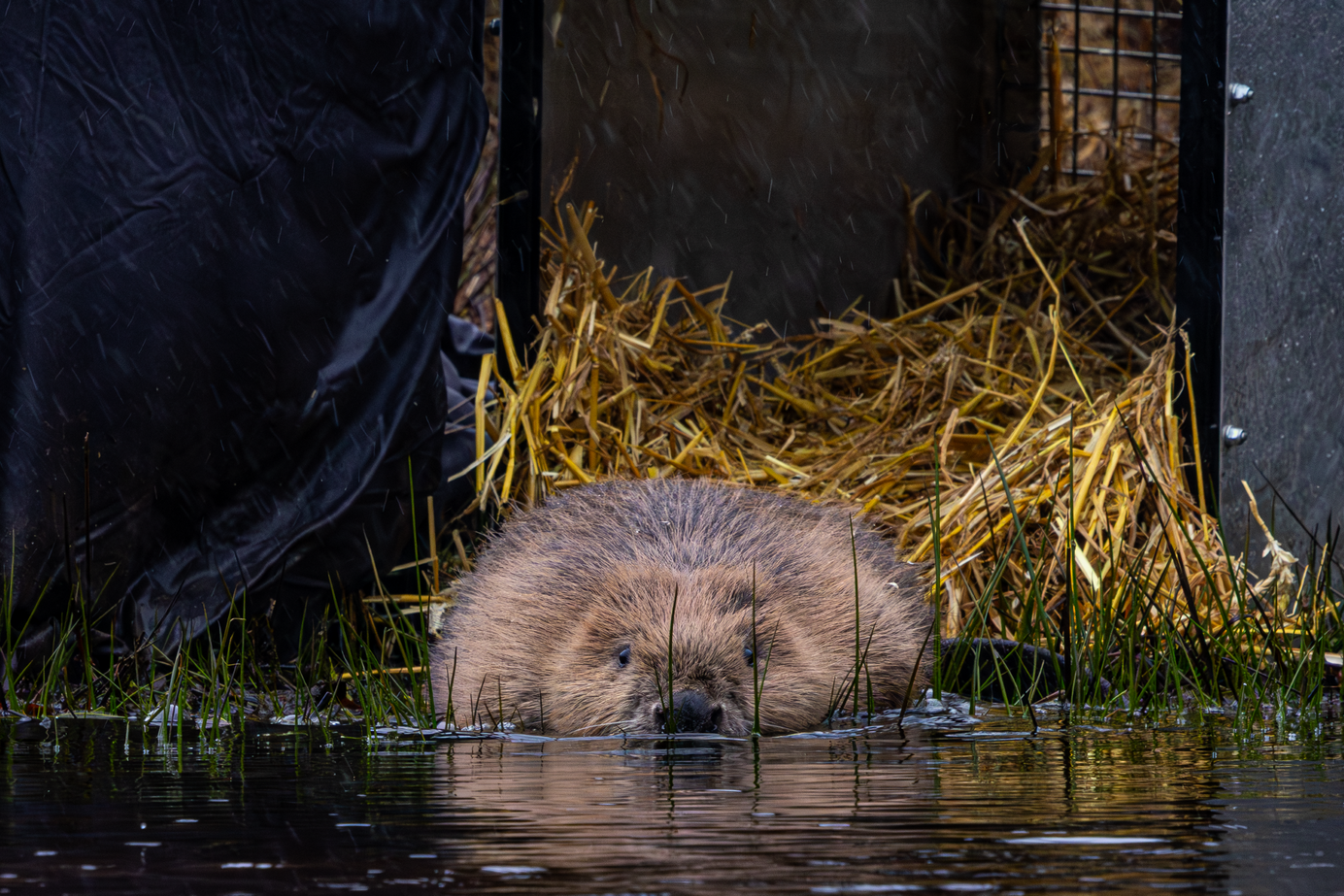
- Natural England issued nearly 200 licences for ‘beaver management’ in 2023, reports ENDS.
- Habitats created under England’s biodiversity net gain rules have the potential to absorb up to 650,000 tonnes of carbon every year, according to analysis by Joe’s Blooms. Business Green reported the news.
- The UK government has U-turned on its plans to phase out badger culling, reports the Guardian.
- The number of people employed in green jobs in the UK jumped by almost a fifth from 2020 to 2022, according to experimental figures from the Office for National Statistics. The Independent reported the news.
Across the country
Highlands | Efforts to save Scotland’s red squirrels will be intensified after a £1m funding injection from NatureScot. The money will see the project ramp up work to eradicate the last remaining invasive grey squirrels from the northeast of Scotland, which are separated geographically from the rest of Scotland’s grey population. This would involve innovative tactics including teams of conservation detection dogs, and genetic sampling to provide better estimates of population numbers. The project is aiming to eradicate greys from the Aberdeen area – which would become the first mainland urban eradication of an invasive mammal in the UK – as well as the islands of Loch Lomond. The Scotsman and the Lochside Press covered the news. Meanwhile, a housing development in Cockermouth, Cumbria, is being reassessed after campaigners said it threatens red squirrels, reports the BBC.
Denbighshire | Natural Resources Wales has started work on removing invasive conifers from the Berwyn mountains to boost rare upland habitats. Spanning over 27,000 hectares, the Berwyn and South Clwyd Mountains SAC contains the largest area of blanket bog and dry heath in Wales, home to a wide diversity of plants only found in nutrient-poor upland areas. The range is also an important area for breeding birds, supporting internationally significant populations of black grouse and curlew. Conifers such as Sitka spruce and lodgepole pine, which are not native to Wales, have a detrimental effect by drying out heath and bog habitats. ‘As much as we want trees, we need the right tree in the right place,’ according to Bathilda Milton-Haynes, NRW officer for the Berwyns. Removing the conifers will help by ‘restoring the hydrological balance and rewetting the blanket bog,’ she said. The Daily Post covered the story.
London | Sadiq Khan, mayor of London, has announced 21 environmental projects across the capital which will be funded by the Rewild London pot. It is the third round of projects financed by the £1m fund, which aims to ‘rewild communities’ and increase environmental resilience. The projects include creating habitat for amphibians in Archbishops Park, Waterloo; upgrading the current beaver project in Enfield; restoring heath areas on Stanmore Common; and rewilding the Victorian Queensmere Pond in Wimbledon. ‘I believe that all Londoners should be able to enjoy green spaces and that access to nature is a social justice issue,’ said Khan. ‘So I’m doing all I can to ensure that Londoners can enjoy wildlife wherever they are in the city.’ The announcement also included £47,000 for the Young Ambassadors tree planting programme, bringing the Mayor’s total investment in rewilding in London to over £2.4m.
Elsewhere:
- The recently formed Severn Estuary Commission has begun discussions on a project to harness the tidal power of the estuary, reports the Bristol Post and ENDS.
- The Environment Agency has told Southern Water to stop taking water from rare chalk streams in Hampshire, reports the Times. Meanwhile, Severn Trent has pledged more than £640m to improve the condition of Staffordshire rivers, reports the Express & Star.
- Twenty-three farms in east Cornwall are working to improve water quality and ‘slow the flow’ of heavy rainfall, reports the BBC.
- The public have been warned to keep their distance from the bodies of three sperm whales, which washed up in east Yorkshire and northeast Lincolnshire, reports the BBC. Meanwhile, a pod of dolphins were rescued from a shallow pool in Jersey.
- The Loch Ness Centre is calling for ‘explorers’ to help record wildlife around the loch – and keep an eye out for the monster, of course. The Herald reported the story.
- A farmer in the Somerset Levels has said farming may become ‘unsustainable’ in the area if flooding continues, reports the BBC.
- A charity on the Isle of Barra is tackling the island’s feral cat colony by trapping the felines with the help of volunteers, reports the BBC.
- Dartmoor National Park Authority has made it mandatory for dog owners to keep their pets on short leads to protect nesting birds, reports the BBC.
- Plans to build 21 houses adjacent to an important site for nightingales in Kent have been rejected following a public backlash, reports BirdGuides.
- An endangered eel spotted swimming in a puddle in Verwood, Dorset, has been saved by a postman, reports the BBC. It is thought the eel was stranded by a flood.
- Eight environmental projects in the West Midlands will share £300,000 of funding, including a breeding programme to boost crayfish numbers.
- Cornwall Wildlife Trust has reported that a beaver has been spotted at Helman Tor nature reserve, which it believes to be the result of an unlicensed release.
- A series of traditional ‘railway hedges’ are thriving at Hadley Wood station in north London, following an intervention by Network Rail and the Tree Council to demonstrate how the railway can contribute to biodiversity.
- Somerset Wildlife Trust is asking members of the public to listen out for the ‘foghorn’ call of bitterns as part of a month-long survey, reports the BBC.
Reports
Manifesto | The charity WWF has launched its 2024 Manifesto ahead of the next general election. Titled ‘Bringing our world back to life’, the manifesto underlines the need for legally binding environmental targets, and urges the government to act faster on delivering these. In particular, it focuses on the ‘triple challenge’: ensuring British land and sea supports climate, nature and food security simultaneously. To achieve this, WWF is calling on parties to commit to a new piece of legislation – a Living Planet Act – which would build the institutional accountability and scientific rigour currently applied to climate action into decisions on land and sea. ‘This election must see all parties secure a mandate to rebuild our green foundations and take the decisive action we know is needed for our planet,’ according to the WWF CEO, Tanya Steele. Edie covered the report.
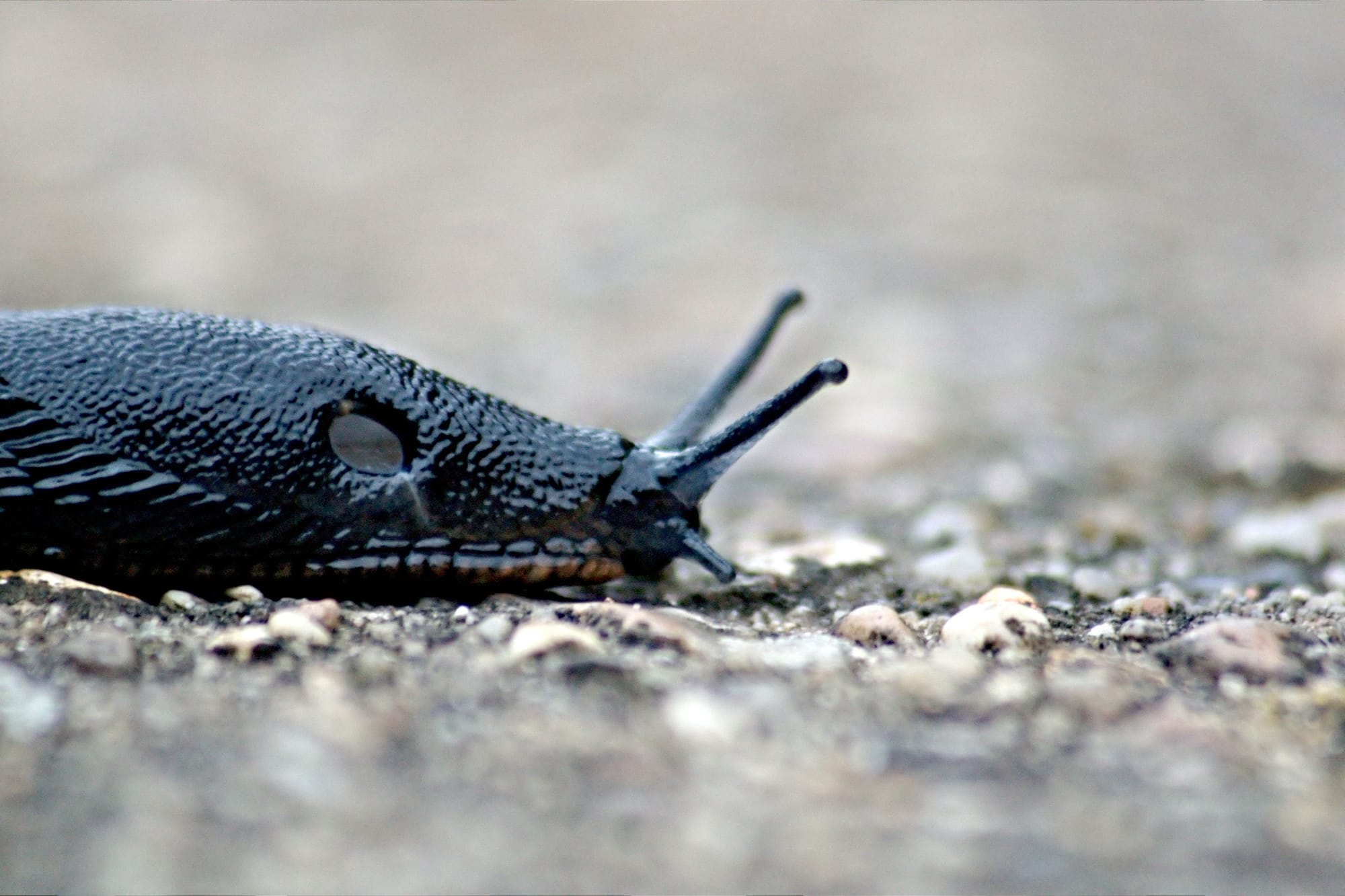
Molluscs | The Wildlife Trusts and the Royal Horticultural Society have teamed up to give molluscs an image makeover. The ‘Making friends with molluscs’ campaign aims to challenge the negative perception of slugs and snails, especially by gardeners in the UK. These creatures are often viewed as gardeners’ greatest foe, according to the campaign, but this isn’t the case: out of more than 150 species found in the UK, only a small fragment are detrimental to horticulture. Instead, molluscs play an important role in garden ecosystems, acting as ‘nature’s clean-up crew’ by feeding on rotting plants, fungi and dung, as well as providing food for other visitors. The organisations are urging gardeners to work with rather than against molluscs, and have published a guide on how to do so. The BBC and the Courier covered the campaign.
Climate | Europe is underprepared for the rapidly growing risks it faces from climate change, according to the European Environment Agency in its first risk assessment. The assessment identifies 36 major climate risks, and finds that more than half of them demand more action than is currently underway. Among these, the most pressing risks include heat stress, river floods, and the health of coastal and marine ecosystems. Daniela Schmidt, of Bristol University, who sat on the advisory board, said the geographical granularity of the report was important, but questioned whether yet another report on climate risks was helpful. The European Commission said it would present a communication on managing climate risks shortly.
Science
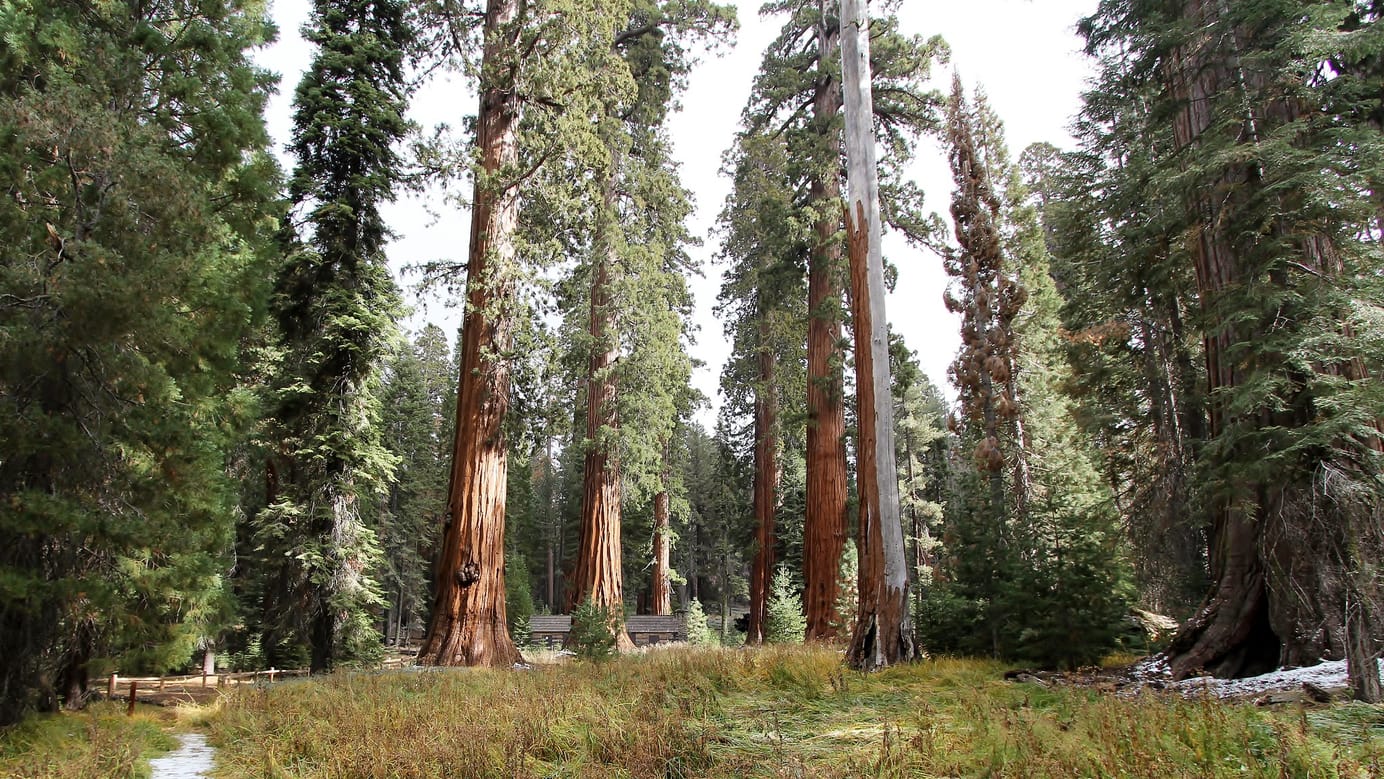
Sequoias | Giant sequoias, which are native to California, are thriving in the UK, according to a study published in Royal Society Open Science. There are currently half a million of the trees across England, where they seem to be growing almost as quickly as they do in their native range, with the tallest reaching up to 55m. This is good news for tackling climate change, as the trees act as giant carbon stores. It is also good news for the survival of the tree itself, which is being pushed out of California as the climate there becomes hotter and drier. The drizzly British weather means that the island ‘may end up being more hospitable to them in the next century or so than California,’ according to lead author, Prof Mathias Disney. He explained the findings in The Conversation. The news was widely covered, with articles in the Telegraph, New Scientist, the Times and the BBC. However, not everyone saw the success of the trees as a cause for celebration. ‘Obviously, in California redwoods are parts of complex, diverse forests,’ wrote the ecologist James Bullock on X. ‘In the UK they are just trees.’
Time | Constantly feel rushed for time? Spending time in nature may help, according to a study in People and Nature. Our perception of time alters depending on how we spend it: while activities in urban environments can pass in a flash, leading to a sensation of ‘time scarcity’, research shows that time in natural places seems to stretch out for longer. It also leads people to focus more on the present and less on the past. Both of these shifts in our relationship towards time can lead to improved wellbeing, and help us to design cities and other urban environments in healthier ways. Ricardo Correia, the author of the paper, explains his findings in an article for The Conversation.
Beetles | Although an understanding of habitat is crucial to the conservation of threatened species, there is no systematic evidence for even the basic requirements of Carabus intricatus, a beetle that is an ancient woodland specialist. A study published in Insect Conservation and Diversity seeks to remedy that. A team of ecologists and conservationists have discovered that the species depends on deadwood availability, slug abundance and high humidity – all of which are features of old-growth temperate rainforests. However, deadwood is commonly removed from UK forests for aesthetic reasons, negatively impacting the species that depend on it. It also means that interventions may be required to make newer forests suitable for their occupation.
Driftwood
Wolves | On the back of his new book, Hunt for the Shadow Wolf, the Observer has a characteristically colourful interview with controversial rewilder Derek Gow. Patrick Barkham visits Gow on his rewilded farm, where they discuss the history of the predator and the myths that underpin the fear and hatred of it, alongside the cultural difficulties of returning them to the countryside. ‘It’s not very mature to view every animal from the badger up as a major threat, and the only solution is to destroy them,’ is among the less swear-y quotes from Gow within the piece. Gow’s sentiments and approach to reintroduction have elicited both enthusiasm and mockery. As though on command, a seemingly never-ending stream of deer have been caught on camera crossing a road in Lincolnshire, leading to renewed discussion of the role that wolves could play in reducing their numbers. Excess deer damage crops and woodland through extensive grazing and browsing. Sky News and the BBC covered the story.
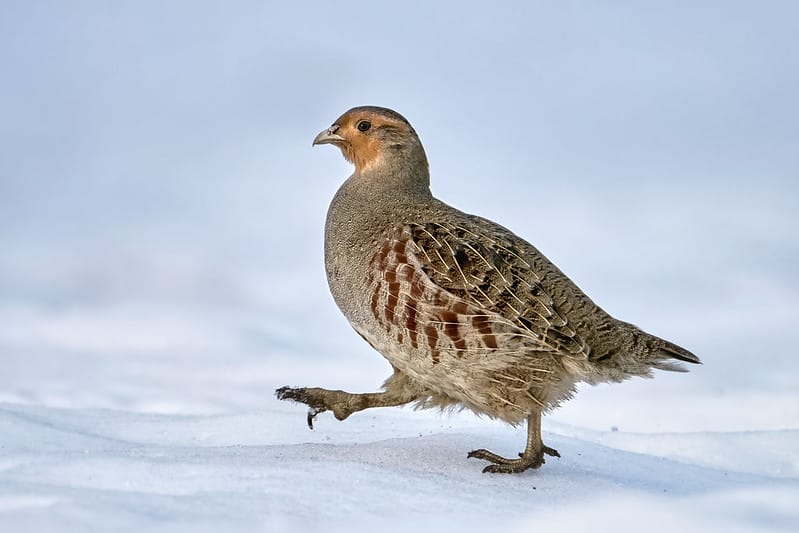
Partridge | The Duke of Norfolk’s ambitions for reintroduction are less head-line grabbing than Gow’s, but they have been controversial in their own way. He has spent the last 20 years restoring nature to Peppering Farm, on his estate at Arundel in West Sussex, with a particular focus on the grey partridge. This is conservation – not rewilding, as he stresses in an interview with the Telegraph – at its very poshest. The Duke was gifted nine pairs of the birds by Prince Philip, who had a surplus of them at Sandringham, and the project is partly motivated by his love of shooting. ‘We work 364 days of the year giving to nature to perhaps have one day’s shooting when we harvest the surplus. You have to have a passion far beyond shooting,’ he says. The need for predator control, including the use of cable restraints, has resulted in some backlash, with campaigners expressing concern that the revival of the grey partridge has come at a cost.
Saplings | Against the odds, the National Trust has managed to nurture around 50 seedlings and five grafted clones of the Sycamore Gap tree, which was felled in an act of vandalism last September. This was a bad time to collect the seedlings and cuttings, as they were not fully matured – the team had about five days to carry out the grafts before the branches died; they ultimately achieved a 20 percent survival rate. Their future is still far from secure. ‘A slug could come along tomorrow and wipe them out,’ says Chris Trimmer, a nursery manager for the National Trust. The Sunday Times and the BBC visited the Plant Conservation Centre in Devon where the work is being carried out, but promised not to reveal its precise location because of the rarity of the plants in its care. The Guardian and the Chronicle also carried the news of the saplings.
Further reading:
- Water vole populations are declining rapidly across the UK, but in a fascinating quirk of nature, the endangered creatures have adapted to urban life in the city of Glasgow. Read about them in the Times and the BBC.
- A blog by the Suffolk Wildlife Trust describes the process of reconnecting the River Glem to its floodplain.
- A giant neon sign above Glasgow’s M8 reads: ‘it is green thinks nature even in the dark’. Read about its meaning on the BBC.
- The Scotsman’s rural affairs correspondent, Katharine Hay, is embarking on six months of walking around Scotland, to ‘try doing journalism in a different way’.
- A feature in the Times looks at how to build more houses for people without concreting over more and more green space.
- The Royal Mint’s new 50p coin, inspired by the Natural History Museum’s cast of a diplodocus, features in the Independent.
- Ahead of St Patrick’s Day, the John Muir Trust wrote a blog about the ‘real luck’ of clovers: their benefits to biodiversity and soil health.
- Dr Tim Hill, the chief scientist at Natural England, has written a blog about the science of the organisation for British Science Week.
Happy days
Seagulls | Children at a primary school in Bristol have teamed up with a science museum to create a mural of seagulls – and are hoping to change attitudes to the birds in the process. The museum has been delivering activities throughout the community since the roof of its building caught fire due to an electrical fault that was probably due to… seagulls. Faith, a year six pupil who helped to paint the mural, delivered her verdict on the birds: ‘Seagulls do steal your food, but not all the time. They are alright I suppose!’ You can see a picture of the painting in the BBC.

Subscribe to our newsletter
Members receive our premium weekly digest of nature news from across Britain.
Comments
Sign in or become a Inkcap Journal member to join the conversation.
Just enter your email below to get a log in link.