Forest Diversity & Alfred the Great
The latest news on nature and conservation in Britain.
National News
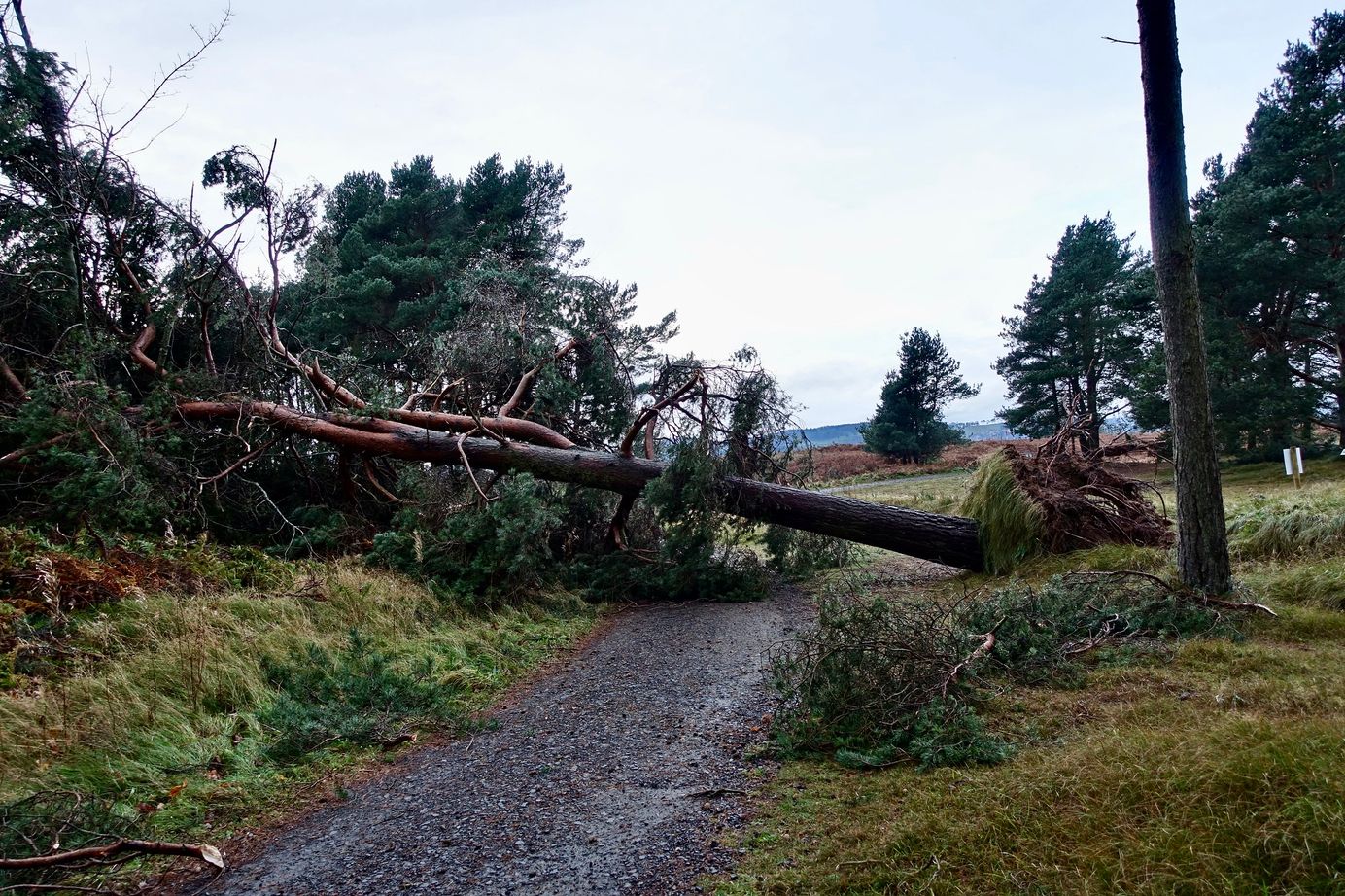
Trees | The Forestry Commission and Scottish Forestry are encouraging woodland owners to plant more diverse forests, after revealing the extent of damage from last year’s winter storms. An assessment by the Commission revealed that the storms caused almost 12,750 hectares of tree loss in the UK, with around 9,300 hectares of that recorded in Scotland: the equivalent of around 18.6 million trees. Most of the damage was a result of Storm Arwen, the powerful cyclone which hit the UK in November. The forestry bodies are calling for landowners and forest managers to consider planting trees of varying species and ages to create more resilient forests. The Times reported the news. In other news, to celebrate National Tree Week, Defra has announced £20m in funding to improve tree-planting, woodland resilience and timber production. Alongside this, 57 local authorities across England will receive nearly £10m to boost tree-planting initiatives. The Daily Express covered the news.
Conservatives | The government is “failing to keep its promises” to protect and restore nature, according to leading environmental organisations. In the run-up to COP15, the Wildlife Trusts have published a list of 14 “promised but missing policies”, saying that the government risks embarrassment at the biodiversity summit next week. Also at COP15, the Labour Party will set out its alternative plan to tackle the climate and ecological emergencies, the Guardian reported. Importantly, Labour’s plan aims to reverse biodiversity loss by 2030, rather than halting it, which is the government’s current goal. Conservationist Chris Packham is leading calls for the prime minister to attend the summit: “Sunak ought to be looking further into the future, to protect the planet, not for himself, but for his great-grandchildren,” he said. And Packham wasn’t alone in urging his attendance. The Guardian has revealed that 40 parliamentarians, including seven Conservative MPs, have privately written to Sunak, highlighting the threats to biodiversity. WWF has also publicly urged the prime minister to attend and provide a “lifeline for nature”. Despite the mounting pressure, it is currently understood that Sunak has no plans to join the conference, instead sending the environment secretary, Thérèse Coffey, in his place.
Pollution | The Environment Agency is breaking the law by failing to enforce laws governing nitrogen pollution from farms, according to ClientEarth and WWF. The conservation organisations have submitted a formal complaint to the Office for Environmental Protection, after data revealed by Freedom of Information requests showed that, from more than 2,000 inspections by the Agency – half of which breached regulation levels – only one farm received a fine. Furthermore, with less than 2% of farms inspected every year, the Agency can have “no idea of the scale of breaches”, according to their complaint. Despite public anger toward water companies discharging sewage, nitrogen and phosphate washed off agricultural fields is the top polluter of Britain’s waterways. The Times reported the news. In other news, Defra has defended itself after Unearthed reported that the Environment Agency would be reducing its inspections of pollution incidents at designated bathing areas and instead rely on water company assessments. Defra stated that the coverage was “incorrect”, and the inspection regime has not changed. The Times covered the news.
In other news:
- There are around double the number of EU-era environmental laws to be reviewed than initially thought, according to Thérèse Coffey. The BBC reported the news.
- More than 70% of England’s water industry is owned by foreign investment firms and businesses, according to research by the Guardian.
- Natural England has announced a scheme for nutrient mitigation credits, available to developers from March 2023.
- All money from water company fines will be ringfenced for schemes that improve the environment, Defra has announced.
- Campaign group WildFish has started a court action against Defra’s Storm Overflow Plan. ENDS reported the news.
- Defra and UKRI have awarded a share of £8.4m to five projects investigating how pollution impacts UK rivers.
- Rishi Sunak is considering lifting the ban on onshore wind power to appease the Tory rebellion by turbine supporters, including Boris Johnson and Liz Truss. The Times, the BBC and ENDS reported the news.
- An extremely mild November has prompted a “second spring” for plants and flowers, reports the BBC.
- The Wildlife Trusts are urging the government to withdraw the Retained EU Law Bill and replace it with a “more appropriate” process. ENDS summarised the various concerns raised against the REUL Bill last week.
Across the country
Somerset | The charity Somerset Wildlands has announced the purchase of 73 acres of land below the Isle of Athelney in the Somerset Levels, through which it plans to “rewild the birthplace of England”. The Isle of Athelney is famous for acting as a refuge for Alfred the Great, king of the West Saxons, during his wars with the Vikings in the ninth century. Historian and writer Tom Holland said the island was where “the entire future destiny of England hung in the balance; so to learn that the area around it will be restored to its former condition of wildness is the most wonderful and romantic news.” The charity hopes that rewilding the historic area, which was once a vast wetland, can act as a powerful symbol of hope for the country’s future.
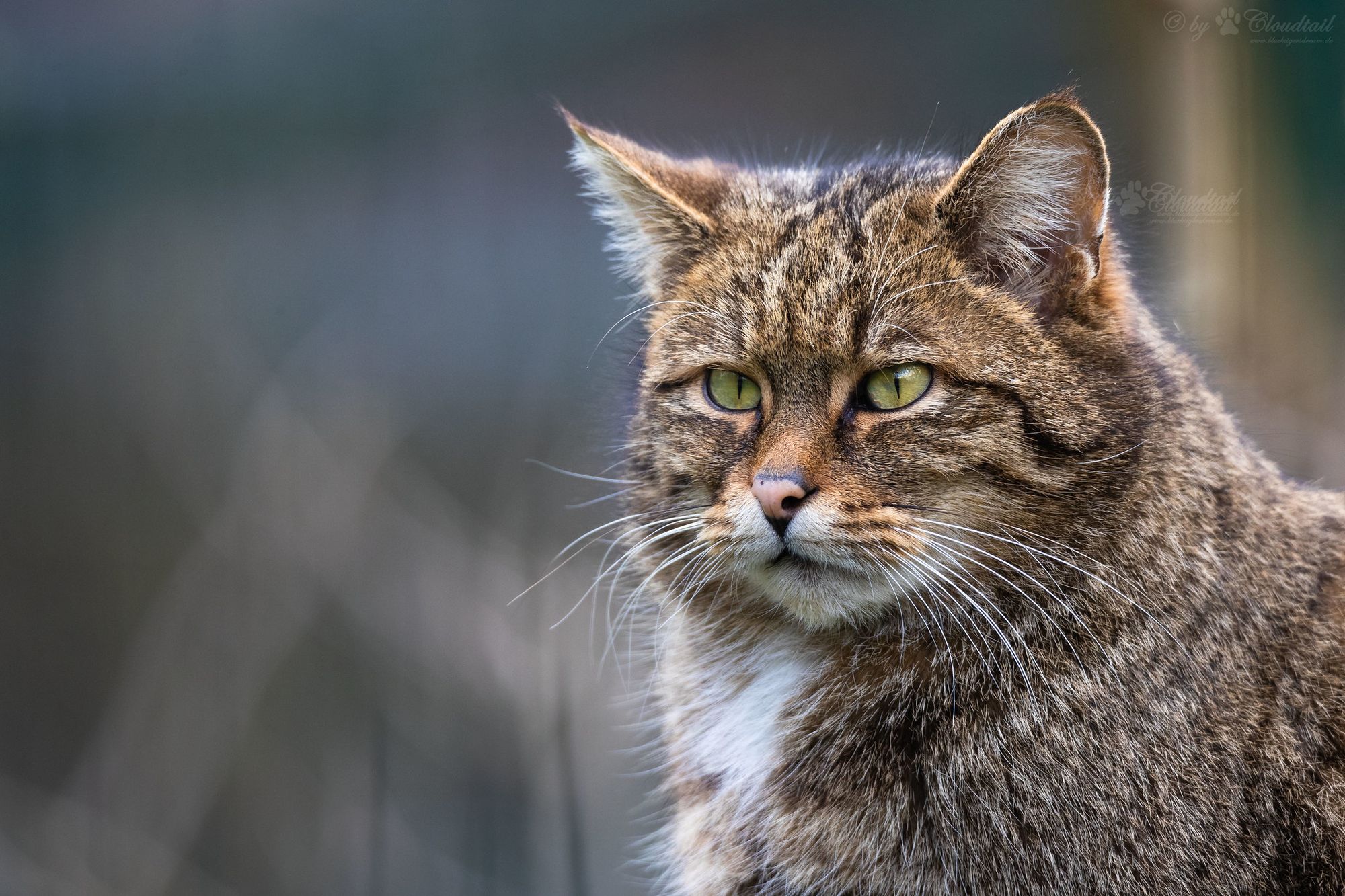
Devon | Wildcats could return to southwest England for the first time in one hundred years under a project run by the Devon Wildlife Trust. The charity is looking for an expert to fill the role of Wildcat Project Officer, who will lead a feasibility study on the possibility of reintroducing the species to the region. Wildcats were driven to extinction in England and Wales in the 18th century, and now their last refuges in northern Scotland are under threat from habitat loss and interbreeding with domestic cats. Peter Burgess, the Trust’s Director of Nature Recovery, said he hopes the project in Devon can contribute to the urgent action needed to save this native predator. The BBC and the Guardian covered the news.
Cornwall | Beaches in Cornwall and Devon are ranked highest for water quality in the UK, according to statistics published by the government. The report comes after recent concerns about sewage pollution at several beaches in the area, but the Environment Agency has said that the 148 beaches monitored in the southwest broke water quality records for the second year running. Overall, the national statistics showed that 97% of English bathing spots meet the required water quality standard, with 72% classified as ‘Excellent’. They are the best results since the Agency introduced more stringent standards in 2015. Water minister, Rebecca Pow, welcomed the news, but said there was still “more to be done” to improve water quality. The BBC and Cornwall Live reported the news.
Elsewhere:
- The National Trust is turning to the Lake District’s waterways in its bid to become carbon neutral by 2030, reports the Times.
- Natural England has no objections to a housing development on Bristol’s Brislington Meadows, despite a formal objection from the Avon Wildlife Trust, reports the Bristol Post.
- A document signed by Charles Darwin, which defends his theory of evolution, is expected to fetch over £1m when it goes to auction on Friday, reports the BBC.
- The seal colony at St Abbs Head in the Scottish Borders is recovering after losing 42% of its seal pups during Storm Arwen, reports the Herald.
- The herd of 50 goats grazing on Bournemouth’s steep seaside cliffs is set to double under a breeding programme, reports the BBC.
- An osprey from the Scottish borders, presumed dead after its GPS signal disappeared, has reappeared in Morocco, reports the BBC.
- The River Wye is still only at half its average height for this time of year, putting pressure on wildlife, according to the Herefordshire Wildlife Trust.
- Natural Resources Wales has acknowledged a link between chicken farms in the Wye catchment area and environmental damage, reports ENDS.
- Defra has announced that the iconic Welsh Leek is to become a protected regional product, with labels identifying the “real thing”.
- A former golf course on the outskirts of Cheshire will be transformed into woodland over the next 50 years, reports the BBC.
- Birmingham’s trees deliver nearly £4m worth of health benefits by reducing the noise of traffic, according to modelling by the UK Centre for Ecology & Hydrology. The BBC covered the research.
- The reintroduction of 60 water voles to water meadows of the River Avon has provided a boost for other species, reports ITV.
- East Cambridgeshire District Council has approved plans to double the land set aside for nature east of Cambridge, reports the Ely Standard.
Reports
Crime | Wildlife and Countryside LINK has published its sixth annual report on wildlife crime in England and Wales. It reveals that wildlife crime remained at record levels in 2021, after escalating during the Covid pandemic. It details offences by species, examining hare coursing, illegal fishing, raptor persecution and more. The report does note a noticeable improvement on convictions, with Defra making an effort to stiffen sentences. The charity is urging the government to make wildlife crimes notifiable (meaning police are obliged to officially record and report the crime to the Home Office), increase resources for teams tackling wildlife crime, and reform the legislation surrounding wildlife crime. The Courier, the Independent and ENDS covered the report.
Chalk | The Environment Agency has published projections for the water temperature of England’s rare chalk streams up to 2080. Using a fixed emissions scenario, researchers modelled temperatures for 893 sites. The results showed that the average water temperature during the warmest month would rise by around 0.6°C per decade, with sites around London experiencing the largest increases. Warmer waters will pose a threat to adult brown trout, while 85% of the sites would be too warm during winter for salmonid eggs to survive. The Environment Agency plans to use the results to inform adaptation measures. In other news, the Bureau of Investigative Journalism has published research revealing the presence of antibiotic-resistant bugs, such as E. coli, in British rivers near livestock farms, highlighting the risk of slurry leaks.
Governance | Merging Defra’s arms-length bodies (ALBs) could be “catastrophic”, according to the RSPB. The new report addresses the suggestion in Defra’s Nature Recovery Green Paper that the four organisations should be reformed. The RSPB report outlines how Natural England, the Environment Agency, the Forestry Commission and the Marine Management Organisation provide expertise and challenge the government to uphold environmental standards, and states that major institutional reform would be “costly in both money and time”. Instead, the charity recommends better resourcing the existing agencies, allowing them full independence from the government, and introducing a legal duty for them to recover nature. ENDS covered the news.
Science
Mussels | Native mussel numbers in the River Thames have declined by almost 95% since the 1960s, according to a study published in the Journal of Animal Ecology. Researchers replicated a 1964 study that surveyed the freshwater mussel population on a stretch of the Thames near Reading. They found that, half a century later, populations had plummeted, with one native species – the depressed river mussel – disappearing completely. Isobel Ollard, first author of the study, said: “Such a drastic decline in mussel biomass is likely to be an indicator of a deteriorating environment. It is also likely to have a knock-on effect for other species, reducing the overall biodiversity.” The Guardian and the Times covered the research.
Seagrass | Seagrass can reduce coastal erosion, according to a study published in the Marine Ecology Progress Series. Researchers from the University of Gothenburg placed samples of sediment, planted with and without common eelgrass, in a large tank with simulated waves. The experiment showed that cliff erosion rates were reduced by up to 70% in sandy sediment with high seagrass root biomass. The Independent covered the research, highlighting the relevance to the UK, where coastlines have lost up to 92% of their seagrass meadows in the last century. The research suggests that restoring the UK’s seagrass meadows could help areas such as Suffolk and Norfolk, which are facing rapidly accelerating rates of coastal erosion.
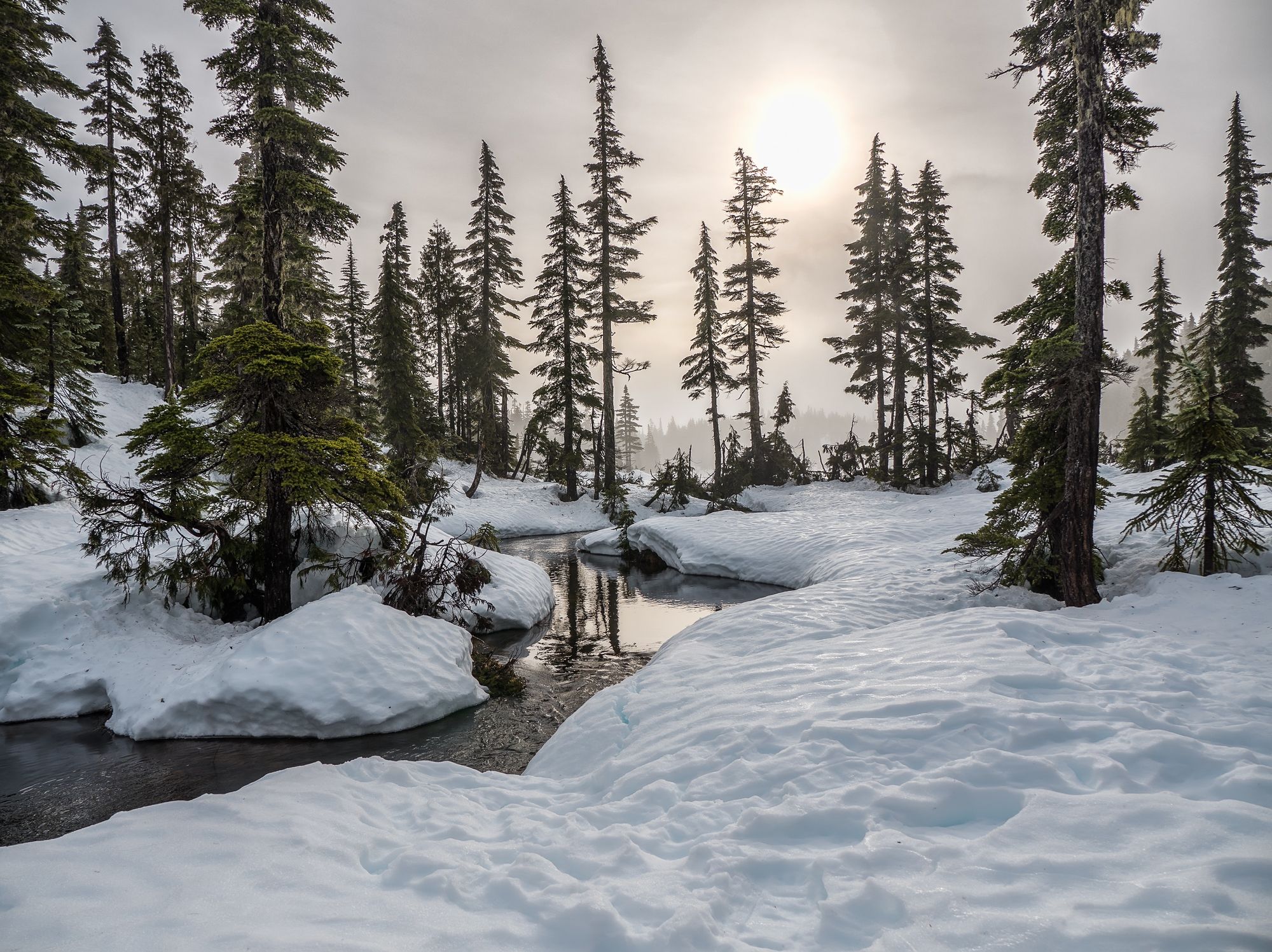
Winter | Walking in a snowy environment makes individuals feel better about their bodies, according to a study published in Environmental Research and Public Health. Researchers tested how 87 women felt before and after walking in a snowy woodland last winter, finding that even a relatively brief exposure to nature resulted in greater body appreciation. Co-author Viren Swami, from Anglia Ruskin University, explained: "Natural environments help to restrict negative appearance-related thoughts and shift attention away from an aesthetic view of the body and toward greater appreciation of the body's functionality.” The findings reinforce the importance of equal access to restorative natural spaces, the authors concluded, and demonstrate the health benefits of being outside – whatever the weather.
Driftwood
History | As part of its Road to Cop15 series, a feature in the Guardian looks at the long relationship between biodiversity and humans, dating back tens of thousands of years. The article explores the argument that the world’s ancient megafauna went extinct not due to environmental changes but because of overhunting by humans during the Pleistocene. Over vast timescales, actions such as the spread of farming, European colonial expansion, and eventually the industrial revolution all contributed to the biodiversity crisis. Phoebe Weston writes: “From hunting huge mammals to extinction to poisoning birdlife with pesticides, humans have treated nature as an inexhaustible resource for too long.”
Wheat | A group of scientists are looking backwards to meet the demands of feeding the planet’s future population. Specifically, they are searching through a 300-year-old archive of 12,000 specimens of wheat. Researchers are hunting for genetic traits that could be used to create wheat varieties better able to withstand climate extremes, as well as disease and pests, in a bid to prevent people going hungry. The archive, belonging to the Natural History Museum, includes a specimen that was collected on Captain Cook’s first voyage to Australia. A similar endeavour is underway at the John Innes Centre in Norwich. "There's so much diversity that hasn't been fully exploited yet by modern wheat breeders, and we think we can bring that to them,” said Dr Simon Griffiths. The BBC featured the story.
Foraging | In a BBC video, folk musician Sam Kelly talks about the connections he finds between folk music and his other hobby: foraging. Kelly was inspired to try foraging by reading nature books as a teenager. He said that using foraged plants adds “a new kind of taste palate” to his cooking and that more people are turning to the ancient skill as the cost of living rises. “There’s a huge link between foraging and folklore,” he says, pointing out that traditional songs often include lyrics that point to an intimate connection with the landscape.
Further reading:
- The future of Scottish farming is under threat from an ill-suited Agriculture Bill, according to a column in the Scotsman by Jonnie Hall, director of policy at NFU Scotland.
- A feature in the Observer explains why the earth needs a breakthrough deal for biodiversity at COP15.
- Writers for the Guardian have selected seven books on biodiversity which are “essential reading” for COP15.
- A survey by Scottish Environment LINK found that 80% of the public think Scotland’s National Parks should have a stronger focus on restoring nature.
- An article in the Guardian explains how science is making it possible to “hear” more of nature’s conversations, from acoustic tuning to echolocation.
Happy days
Dragons | If Welsh dragons existed, what would they look like? Where would they live? These are the questions being asked by illustrator Andy Frazer, who has been reimagining the legendary creature for seven years. His work is inspired by the landscape: “Once you're in Wales it's kind of hard to escape dragons – the imagery and the mythology is all around you,” he says. His books are aimed at getting people out into the countryside, and act as the “dragon equivalent of field guides for birds”. This BBC article features a few specimens.

Subscribe to our newsletter
Members receive our premium weekly digest of nature news from across Britain.
Comments
Sign in or become a Inkcap Journal member to join the conversation.
Just enter your email below to get a log in link.