Dartmoor Lawsuit & 'Aurochs' Reintroduction
The latest news on nature and conservation in Britain.
National news
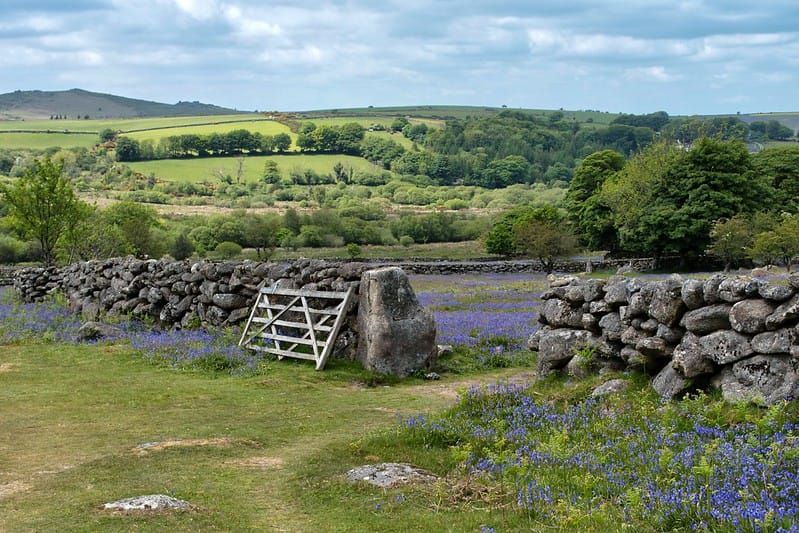
Dartmoor | The right to wild camp on Dartmoor has reached the Supreme Court. The one-day hearing this week pitted the Open Spaces Society against Alexander Darwall, the City fund manager who owns a large part of the Dartmoor commons. His lawyers argue that the public has no legally enshrined right to camp on his land – and that even picnicking would count as trespass. The case hinges on the interpretation of the Dartmoor Commons Act 1985, and particularly the definition of ‘recreation’. While the initial court case ruled in Darwall’s favour, a subsequent ruling in the Court of Appeal sided with those in favour of wild camping. Darwall is now seeking to overturn that. The Supreme Court judgment is expected at a later date. For more details and documents on the legal wrangling, check out this blog from Richard Buxton solicitors, the firm representing the Open Spaces Society. You can read Darwall’s own defence of his position – which has provoked widespread outrage and activism – in Country Life magazine. For a blow-by-blow account of the hearing, read this X thread by Hugh Craddock of the Open Spaces Society. The story was covered by the Times, the Guardian, the BBC and Backpacker magazine.
Crown Estate | The Crown Estate, one of the UK’s largest landowners, has released a new vision for managing nature across its properties. The Nature Recovery Ambition is based around three key goals: delivering increased biodiversity; protecting and restoring freshwater, marine and coastal ecosystems; and increasing social and wellbeing benefits from nature. These goals will be achieved through four key commitments, including establishing a better understanding of the estate’s natural assets; collaborating with others, including community ownership models; embedding nature as a core priority within its management of the land and seabed; and using capital investment to catalyse new funding streams and natural capital markets. Some of the ways it will practically manifest these targets is through the restoration of the Windsor Estate, partnering with farmers to plant woodlands and hedgerows, and working in London’s West End to create a permanent green corridor. Edie covered the news.
Parliament | Liberal Democrat MP Roz Savage has announced that she will take up the Climate & Nature Bill as her private member’s bill, giving hope to campaigners that it could finally progress into law. The bill would beef up the government’s targets on climate and nature, including limiting global temperature rise to just 1.5C above pre-industrial levels, and reversing nature decline by 2030 in a way which is ‘visibly and measurably on the path to recovery’ compared to 2020 levels. Savage said she had already spoken with Labour MPs who had expressed their support. ‘I think it would be difficult for them not to take action on it,’ she said. ‘I think there is a moral imperative on them to take brave and bold action.’ You can read more about the bill itself here. The Independent covered the news.
In other news:
- The government is considering permitting the use of toxic neonicotinoids next year, despite an election promise to ban it, reports the Guardian.
- A report from Environmental Standards Scotland has urged the government to take better care of the country’s soils, reports the Times.
Across the country
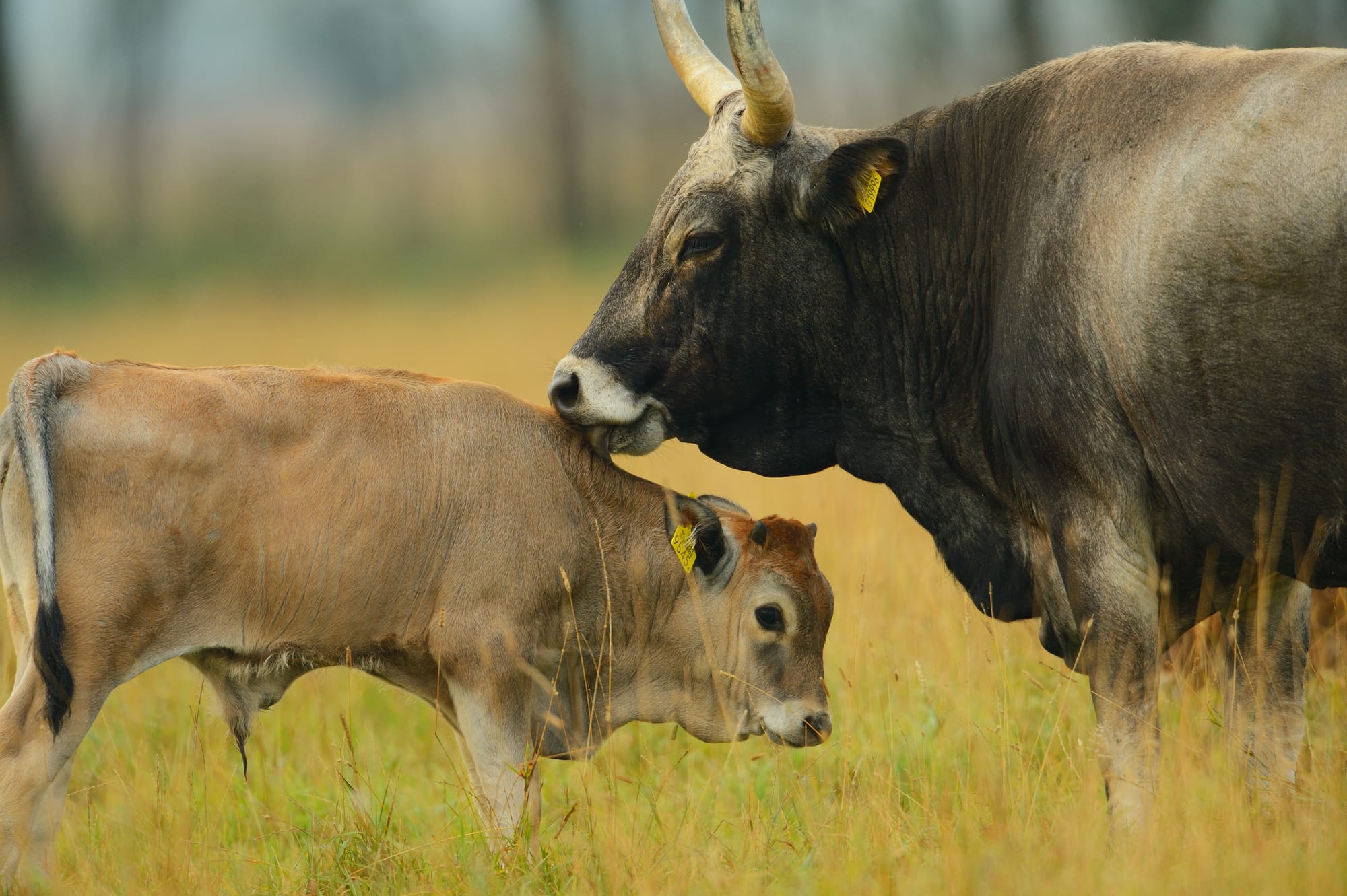
Dundreggan | The charity trees for Life plans to introduce a herd of 15 tauros – a proxy for the extinct aurochs – to its 4,000-hectare Dundreggan estate near Loch Ness in 2026, in an attempt to ‘refill a vital but empty ecological niche’, according to its chief executive, Steve Micklewright. The aurochs vanished from Britain around 1300 BC and globally extinct in 1627, but scientists in the Netherlands have sought to recreate it by interbreeding cattle breeds that are genetically and physically close to the ancient species: enter the tauros. The tauros is bigger than modern-day cattle, and can be legally brought into Britain. According to Trees for Life, its ecological benefits exceed those of normal cows, thanks to its size and high activity levels, and in particular its tendency to create ‘bullpits’ in the earth, providing microhabitats for other smaller animals. Nonetheless, the proposal has prompted scepticism, including from farmer and author James Rebanks. The BBC, the Times and the Guardian were among the many outlets to cover the news.
Anglesey | A community group is reviving the art of marram grass weaving, with the help of Natural Resources Wales. The grass was collected from the dunes at the Newborough National Nature Reserve, where its roots help to trap sand and build the dunes, while also providing a home for species such as sand lizards and specialist insects. As early as the 1600s, villagers used marram grass for haystack covers, mats, ropes, nets, brooms and baskets, but industrialisation put a stop to the tradition during the early 20th century. Llyn Parc Mawr community group is now hosting workshops to teach and preserve the craft, with an accompanying exhibition running at the Ruthin Craft Centre till January. The story was covered by Nation.Cymru and the Daily Post.
Glasgow | A local teacher has taken the crown in Glasgow’s very first tree-hugging competition. Hannah Willow had to undertake trials of speed hugging, freestyle hugging and dedication – for which she performed a spontaneous dance routine – before being declared the champion. She now hopes to participate in the finals in Finland, around a hundred miles inside the Arctic Circle. ‘Part of me now feels I need to step up my game for the world championships,’ she said. ‘I will have to bring out my fairy wings and my ukulele and go singing to the trees.’ The Glasgow event was inspired by Hugh Asher, a forest therapist who set up Scotland’s first tree-hugging contest in the west Highlands, and who came down to help with the judging. The Guardian covered the news, including some photographs of the prize-winning hugs.
Elsewhere:
- A basking shark has been spotted off the Northumberland coastline, during a boat tour of the Farne Islands. Watch the footage in the Chronicle.
- Plans have been submitted to enhance saltmarsh habitats along the River Wear, reports the Northern Echo.
- Wildlife charities have written to Angela Rayner, asking her to stop a theme park development proposed for the Swanscombe Peninsula.
- A consultation is underway on whether the Yorkshire Wolds should be made an Area of Outstanding Natural Beauty, reports the BBC.
- A sound system playing the calls of roseate terns is being installed at RSPB Saltholme, in hope of encouraging the rare birds to breed, reports the Chronicle.
- Hampshire and Isle of Wight Wildlife Trust is celebrating the cancellation of the Solent CO2 Pipeline Project, following concerns over a lack of ecological data.
- A new report shows a slight drop in emissions for the New Forest area during 2023-4, reports the Daily Echo.
- Trees brought down by Storm Arwen are enjoying a second life in Northumberland as part of efforts to restore the Lower Wooler Water, reports the Northumberland Gazette.
- In Cumbria, bad weather means that tadpoles are refusing to turn into frogs, reports the BBC.
- A new project is calling on landowners to help reconnect ancient woodlands across a large area of Sussex, reports the Sussex Express.
- In London, volunteers are hunting for the plane lace bug, an invasive species that is threatening the capital’s trees, reports the BBC.
Reports
Salmon | The number of Atlantic salmon in English rivers has fallen to its lowest level since records began in 1988, according to a new government report. Just 5,399 fish were caught in 2023, down from 20,000-plus that were recorded every year until 2017. The Environment Agency explained that the decline was due to a wider deterioration of the country’s rivers, with pollution, sedimentation, chemical runoff, physical barriers, water scarcity and climate change all contributing to the crash. The Times and the Guardian both covered the news, including graphs visualising the long-term dataset, while Nation.Cymru looks at the corresponding declines that have been occurring across Wales. In other salmon-related news, the Game and Wildlife Conservation Trust independently found that the number of salmon had fallen to its lowest level in the River Frome – one of the most important rivers for the species – in 40 years. The Times and the BBC covered the story. Meanwhile, in Scotland, anglers may soon be forbidden from lifting salmon out of the water for trophy photos, as the handling and air exposure may harm the fish.
Housing | The government has pledged to build 1.5 million new homes over the next five years. A report by the Wildlife Trusts shows how it can achieve this ambition without compromising on plans to restore the natural world. Swift and Wild highlights possibilities such as community energy schemes, urban habitat creation, and local food growing opportunities, among others, as a means of bringing wildlife into new developments while also reducing emissions. Some options, such as installing swift bricks in new houses, would be inexpensive and small-scale. The report also includes case studies demonstrating best practice, such as Kidbrooke Village, a partnership between the London Wildlife Trust and Berkeley Homes, which includes areas of species-rich grassland, copses of trees and a chalk stream amid the new residential blocks. Separately, environment secretary Steve Reed speaks to the Times about the difficulties of reconciling nature conservation with Labour’s building targets.
Nature | A major new report from Natural England aims to ‘make the invisible visible’ by connecting the dots between nature and the economy. Nature is often omitted from economic decision making, despite the huge financial benefits that it offers. The State of Natural Capital for England report outlines the condition of various ecosystems – including coastal margins, wetlands, woodlands, moorlands and grasslands – and highlights the benefits they offer, alongside the risks that damaging them poses to economic resilience, net zero, climate adaptation, food and water security, and health and wellbeing. ‘Nature is our national wealth service,’ said Natural England chair, Tony Juniper, at the launch of the report. ‘Our natural assets provide a steady stream of essential goods and benefits on which our economy and our population rely.’
Science
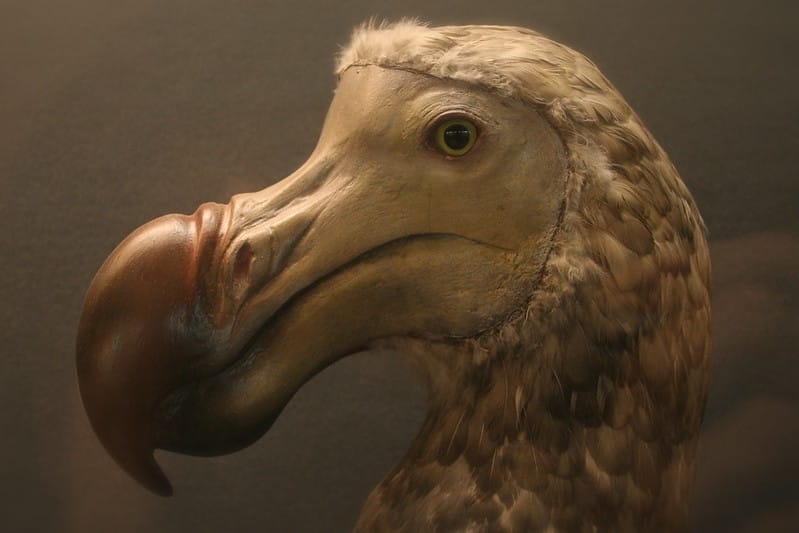
Extinction | A paper in Science looks at the impacts of avian extinctions on ecosystem function since the Late Pleistocene. More than 600 species have vanished over the past 130,000 years, with humanity a leading cause of their disappearance. But the losses are more than numerical. The absent birds have also led to a decline in functional diversity as their roles in the ecosystem – eating insects and carrion, dispersing seeds, pollination, and so on – are lost too. ‘When those species die out, the important role that they play (the functional diversity) dies with them,’ explained Dr. Tom Matthews from the University of Birmingham, who co-authored the study. Understanding these losses is important, he added, given that future extinctions are predicted to be even more severe. Science also published an accompanying commentary on the paper.
Oceans | The UK has, so far, largely avoided the marine heatwaves that have afflicted oceans elsewhere, although a short-lived event in June last year was widely covered by the media, raising public awareness of the threat. Even so, little is known about the impacts, locations and causes of these events in UK waters. A new paper, published in Frontiers in Marine Science, attempts to plug some of the gaps in the knowledge. It points out that the UK seabed hosts both seagrass beds and cold-water corals, and although the impacts are not well documented, both could be threatened by increased heat. It adds that, in the English Channel, marine heatwaves have initiated harmful algal blooms and caused the mass mortality of mussels. The UK should learn from other nations, the authors conclude, in order to develop robust policies and increase preparedness in the face of rising ocean heat.
Butterflies | The large blue butterfly is, in many ways, one of England’s conservation success stories. The species went extinct in 1979, but was subsequently reintroduced to sites in Devonshire and Somerset, and has since spread naturally to other specially restored habitats. A paper in Insect Conservation and Diversity looks at the factors that influenced this process of dispersal. The researchers found that the isolation of the site was the most important constraint when it came to colonisation, followed by the number of butterflies on the source site. They also found that the species had evolved to become more mobile since its reintroduction, with adults now flying twice as far in seeking out vacant habitat patches as they did during their early years.
Driftwood
Church | What would Jesus do if he owned 105,000 acres of land? As theological questions go, it is surprisingly specific – yet Chris Packham, writing in the Independent, has a good reason for wondering. This is the amount of land owned by the Church Commissioners, the investment arm of the Church of England. Data suggests that much of it is in a dire ecological condition, with significantly less tree coverage than the English average. Packham is now launching a new campaign alongside the campaign group Wild Card, calling on the body to rewild 30% of its land by 2030. Justin Welby, the Archbishop of Canterbury, responded: ‘In this debate about how we use our land for the common good, it’s really important to hold the balance between the desperate requirement for new housing, the urgent necessity for food from farms, and the vital need for biodiversity and flourishing wildlife.’
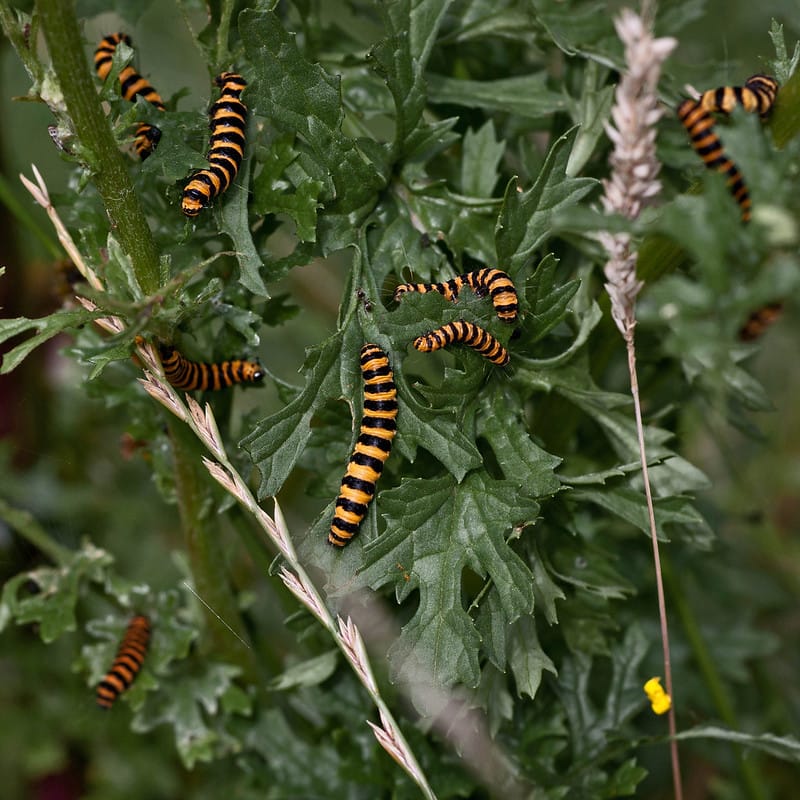
Ragwort | Is ragwort – the bright yellow flower that sprouts so easily across field margins and road verges – a menace or a blessing? A feature in the Telegraph looks at the surprisingly emotive debate over this seemingly innocuous plant, giving airtime to rewilders, farmers and Facebook warriors alike. On one hand, ragwort can be poisonous to livestock; on the other, it is fantastic for biodiversity. A move towards wilder landscapes means that many landowners are letting the species spread, igniting the rage of people like Mandy Hughes, a pony keeper who recently posted a photograph online of a pile of flaming ragwort, which she’d ignited with £10-worth of petrol. The debate swings between scientific and ideological, writes journalist Guy Kelly, but there is rarely a winner. As he puts it: ‘Pull one weed and another pops up.’
Photography | The Natural History Museum has announced the winners of its prestigious Wildlife Photographer of the Year exhibition – and the images are, as always, a combination of exhilarating, thought-provoking and observant. It was a photograph of tadpoles in a Canadian lake that took the top spot, with other category winners including images of lynx, slime mould, beetles, trees, dolphins and more. The Guardian and the BBC have a selection – or, even better, you can see them on display at the Museum in person. Separately, the Guardian has published a selection of images showing how trees have been depicted over the centuries. Artists include Hildegard von Bingen, the twelfth century German abbess, and the French artist Pierre-Auguste Renoir.
Further reading:
- In the Telegraph, James Rebanks speaks, with typical eloquence, about farming, nature and his new book, The Place of Tides.
- In the Guardian, Charlie Gilmour is unimpressed with John Lewis-Stempel’s new book, England: A Natural History.
- The Times has a feature on the Summer Berry Company, the first farm to produce commercial strawberries all year round.
- In the Scotsman, columnist John McLellan writes of the increasingly fraught debate over the plans for a new national park in Galloway.
- In the Guardian, writer Wyl Menmuir writes about his meandering journey with trees, which is the subject of his recent book, The Heart of the Woods.
- England’s last documented wolf may be among the specimens within the English Heritage collection, reports the Guardian.
- The Telegraph profiles the National Forest in the Midlands, established ‘well before rewilding was a thing’.
Happy days
Lego | Good news for nature/Lego enthusiasts: there may soon be a new woodland wildlife set on the market, after the proposal gained 10,000 supporters through the Lego Ideas scheme, crossing the threshold for official consideration. Lego Ideas allows the public to submit their own concepts, the most popular of which are then released commercially. The set would include a red deer stag, a budget, a tawny owl and a woodpecker, among others, overlooked by ‘mighty trees’ within an ‘enchanting scene’. The news was covered by both Brick Fanatics and The Brick Fan. (Who knew there were so many Lego-related news sites?)

Subscribe to our newsletter
Members receive our premium weekly digest of nature news from across Britain.
Comments
Sign in or become a Inkcap Journal member to join the conversation.
Just enter your email below to get a log in link.