Ancient Woodland & Stonehenge Landscape
The latest news on nature and conservation in Britain.
National news
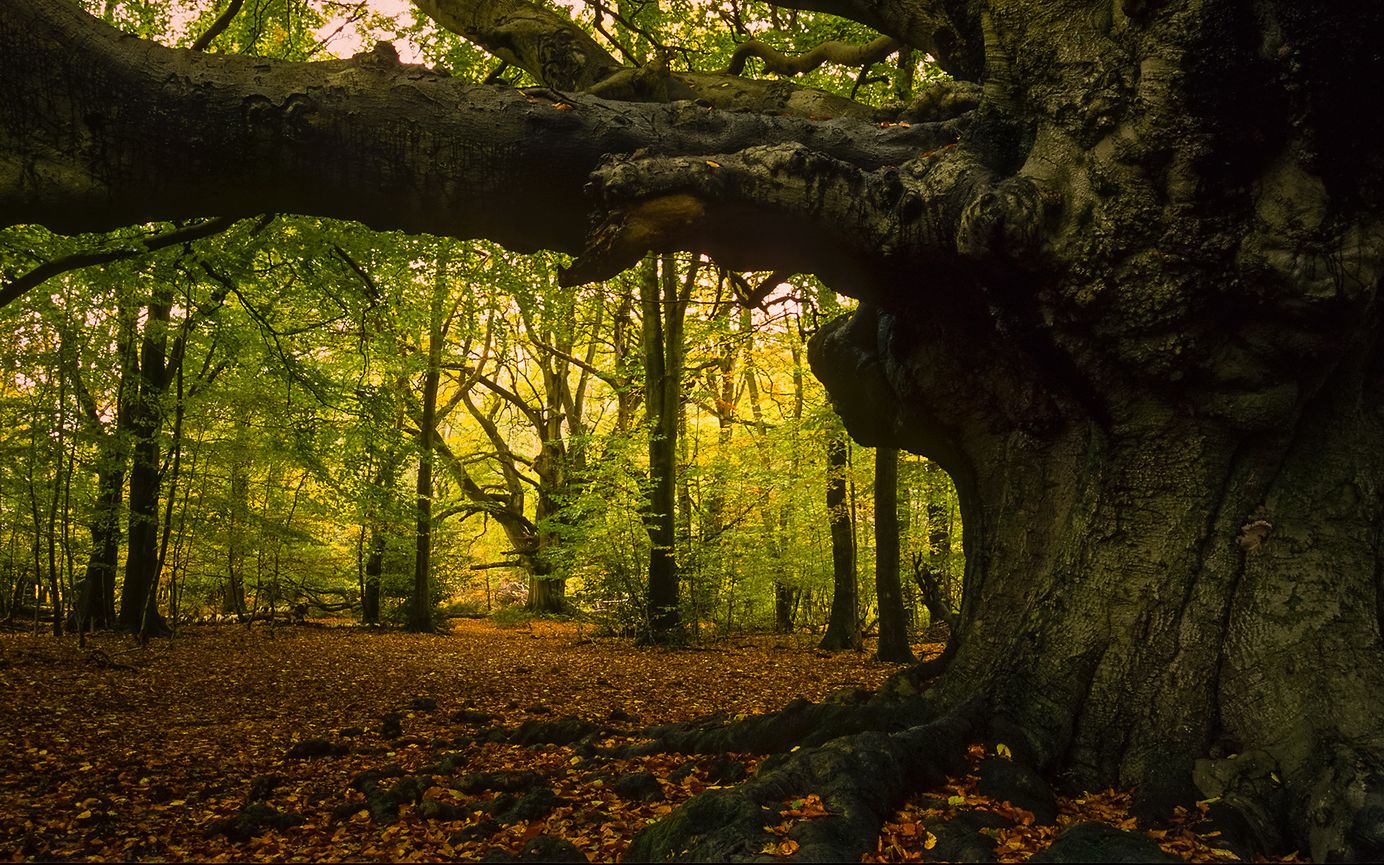
Jubilee | Prince Charles has unveiled a collection of 70 ancient woodlands and 70 ancient trees dedicated to the Queen to mark her Platinum Jubilee, reports the BBC. Speaking in a video message recorded under the ancient sycamore at Dumfries House in Scotland, the Prince of Wales said these “precious” assets must be preserved for future generations. Among the collection are some of the nation’s most beloved sylvan features, from the Boscobel Oak in Shropshire – a descendant of the tree in which Charles II hid from parliamentary forces in 1651 – to Sussex’s Five Hundred Acre Wood, which inspired A. A. Milne. Chosen woodlands and trees have been widely covered in local media, including Blickling Estate woodland in Norfolk; Lower Woods in Gloucestershire; Warburg Nature Reserve in Oxfordshire; a 1,100-year-old yew in Powys; and a twisted beech tree in Cornwall.
Lawns | The number of people choosing not to mow their lawns during May is rapidly increasing, according to Plantlife, which is responsible for the No Mow May campaign. The charity is encouraging the public to leave their lawn mowers in the shed for a month, and count the flowers that grow in their stead; the results are used in Every Flower Counts, the largest study of garden lawns in the UK. Participants in last year’s campaign reported more than 250 plant species on their unmown lawns, including wild strawberry, wild garlic and rare plants like adder’s-tongue fern, meadow saxifrage and snakeshead fritillary. The BBC, the Guardian, the Big Issue and the Times covered the news.
Nutrients | A legal requirement that new homes do not pollute nearby wetlands, rivers and nature reserves has halted housing developments across large areas of England. Last month, Natural England told local authorities that they must ensure new homes are ‘nutrient neutral’ and do not add damaging nitrates or phosphates to protected areas, including the Eden Valley in Cumbria, the River Camel in Cornwall and the Norfolk Broads. Excess nutrients can cause algal blooms that deplete oxygen in waterways, killing fish and damaging other aquatic life. Although farming and overloaded sewage works are the main causes of excess nutrients, rainwater running off roads and new developments can also add to the pollution. The Home Builders Federation estimates that up to 120,000 new homes in 74 local authority areas have been delayed because of the new rules. The Guardian, the Times and the Telegraph covered the news; Natural England responded to the coverage here.
In other news:
- Water companies released raw sewage into designated coastal bathing areas for 160,000 hours on 25,000 occasions, according to Environment Agency figures collated by the Lib Dems. The Times and Guardian cover the story.
- The Wildlife Trusts have criticized the ‘weak’ targets proposed after the passing of the Environment Act, with consultation closing on May 11th.
- The government has introduced new controls on imports of pine and cedar trees to prevent the spread of the pine processionary moth.
- Charities are seeking £250m in public money to save Scotland's rainforests, reports the Herald.
- A Defra advisory group says that the government's habitat restoration target could require "rewilding and state land acquisitions", reports ENDS.
- Half of Scotland faces water shortages this summer, reports the Times.
Across the country
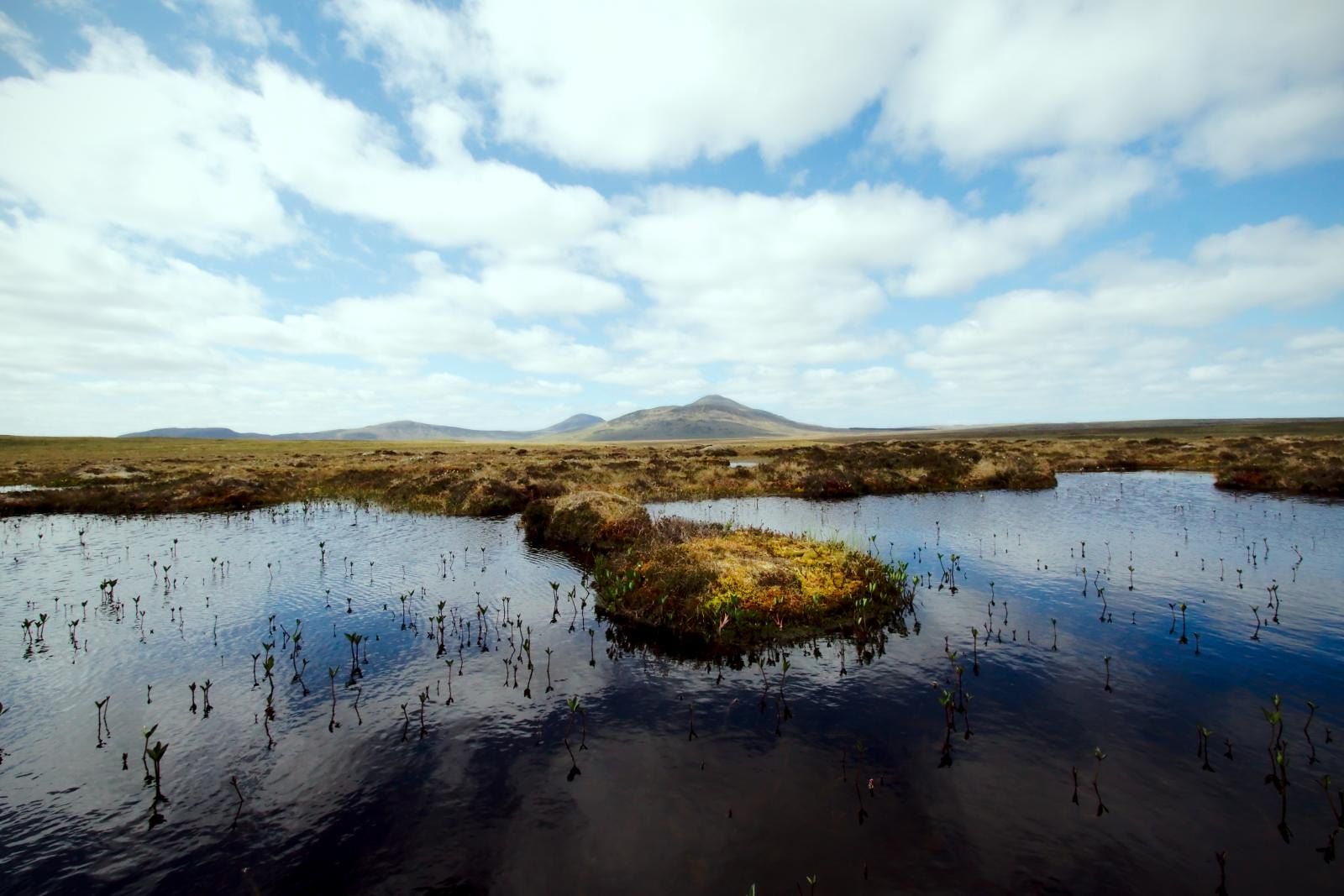
Flow Country | A series of assessments by independent scientific experts could boost the case for Scotland’s Flow Country to become the world’s first peatland to be inscribed on the World Heritage list, reports the Scotsman. The findings are considered "hugely significant" in boosting the case for the site – a vast area of blanket bog that contains more carbon than all of the UK's forests and woodlands combined – to the UN. The bid will be submitted by the UK government later this year.
Kent | National Trust rangers at Scotney Castle in Kent have returned to the old-fashioned method of a team of horses to complete coppicing work because heavy machinery could damage the woodland, reports the Telegraph. The technique has long been traditional in the area, but has never been used on the site before by the National Trust. The use of heavy horses declined after World War II but is currently experiencing something of a renaissance. However, Christopher Price of the Rare Breeds Survival Trust expressed his disappointment that the chosen breeds were not native to the UK. For more on horses, read Inkcap Journal's feature on how the animals have improved soil health on a Dartmoor farm.
Guernsey | A ‘significant portion’ – around 30% – of the precious green-winged orchid colony at Alderney Bird Observatory was dug up and stolen over the Easter weekend, reveals BirdGuides. The flowers were approaching full bloom; all that remains now are numerous holes in the earth. According to the Wild Orchids UK & Ireland Twitter feed, the incident is a reminder to act cautiously when sharing information with strangers on the whereabouts of orchids.
Elsewhere:
- Luxury ultramarathon Highland Kings Ultra has been widely criticised for leaving yellow paint markers spread across the peaks of Arran, reports Countryfile.
- The Cornwall Wildlife Trust are asking households to consider creating ‘hedgehog highways’ between their gardens to them to travel more safely, reports the BBC.
- Four water buffalo have been introduced to the Ham Fen Nature Reserve in Kent, in the hope they will clear blocked channels in the wetland, reports the Times.
- A fresh investigation into the crab and lobster deaths in northeast England has been completed, but some locals are still unhappy with the conclusions, reports the Yorkshire Post.
- A pair of peregrine falcons have become the first to set up home on St Albans cathedral’s new nesting tray, reports the BBC.
- A project to reintroduce seagrass in Plymouth Sound will switch to using pre-grown seedlings to increase yields, reports the BBC.
- A project to restore peatlands on the Rum National Nature Reserve is seeing quick results, reports BirdGuides.
- Locals have warned that building a link road between the M6 and M54 will cause unnecessary pollution and destroy ancient woodland, according to the Shropshire Star.
- Dorset Council has approved planning permission for two butterfly banks which are intended to encourage the presence of the smallest native species in the UK, the small blue butterfly. The BBC covered the news.
- The White Stork Project at Knepp Estate has announced a record-breaking start to the breeding season, with 37 eggs counted across nine nests, reports BirdGuides.
Reports
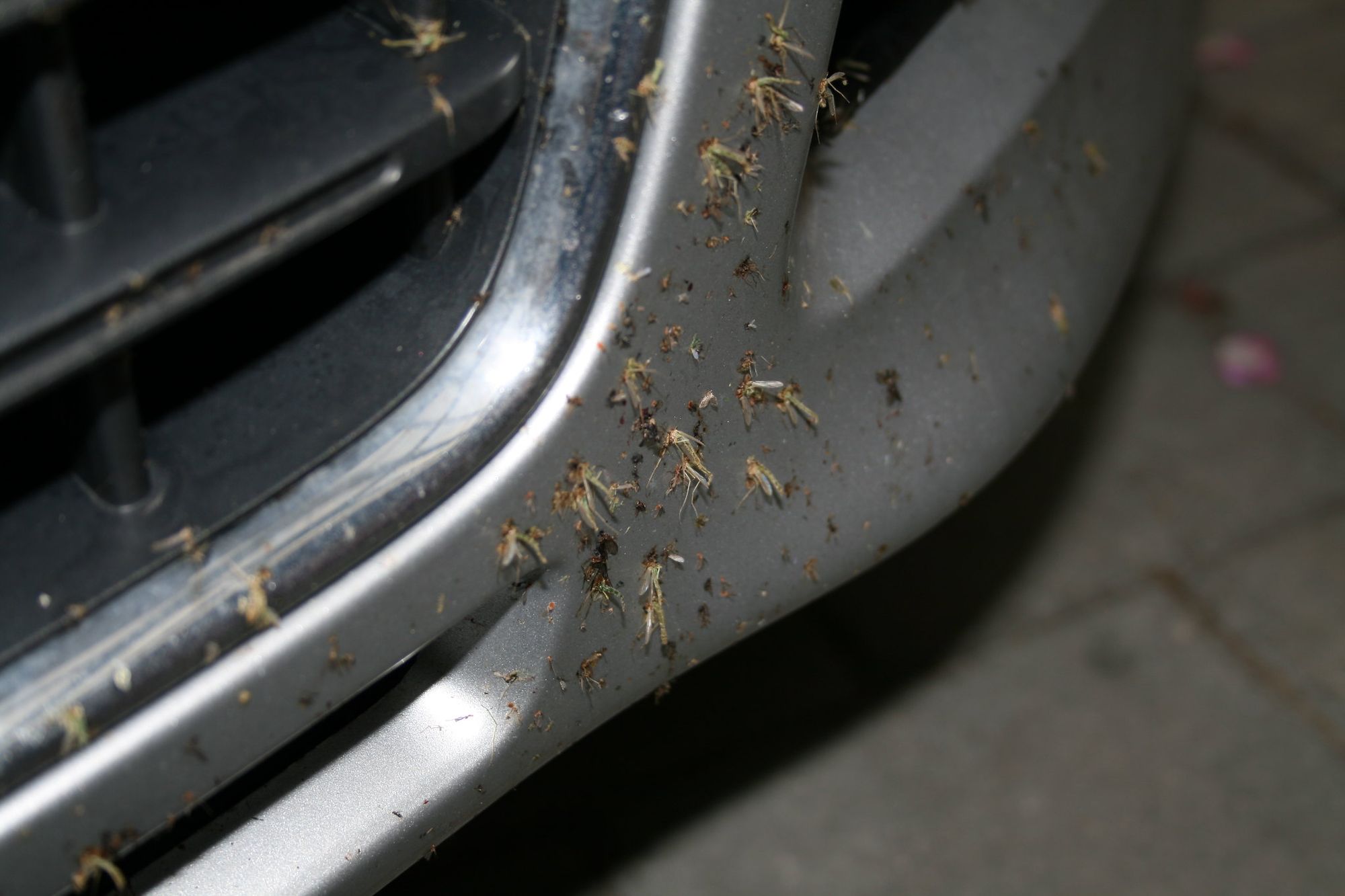
Insects | A citizen science survey led by Kent Wildlife Trust and Buglife has found that the number of flying insects in the UK has dropped by nearly 60% over the last 17 years. The Bugs Matter survey monitors insect populations by recording the number of bugs ‘splatted’ on registration plates after car journeys. The 2021 report showed the greatest declines in England, with 65% fewer insects compared to 2004; Wales recorded 55% less, while Scotland saw the smallest decline with 28% fewer insects. The survey did not address why the decline was significantly lower in Scotland, but Matt Shardlow of Buglife said the factors known to harm insects – including habitat fragmentation, climate change, pesticides and light pollution – were less intense in Scotland. The researchers said it was vital to repeat the survey every year to build up long-term trends. The Guardian, the Scotsman and the Herald featured the report.
Warblers | Dartford warblers have made an impressive comeback after nearly becoming extinct 60 years ago. The RSPB’s latest Ecology Report reveals the highest ever number of warblers recorded on RSPB reserves, totalling 183 pairs – up from just a few pairs in the 1960s. The lowland heath-dwelling bird, which relies on a habitat of dense gorse, is particularly sensitive to cold weather and previously suffered from harsh winters. However, a series of milder winters combined with concerted conservation efforts to create and restore heathland has seen their numbers soar. While they are still considered an amber listed species, RSPB wardens are hopeful that numbers will continue to increase. The Guardian and the Times covered the news.
Greenspace | A dramatic decline in greenspace provision for new housing developments is harming the wellbeing of communities, according to analysis by the New Economics Foundation. The findings show that the size of greenspace, such as parks and woodland, steadily reduces in correlation with the age of housing; on average, the amount of public greenspace within developments has reduced by a third over the last century, from 13% to just 9%. The researchers highlight the worrying implications this trend is likely to have for the mental and physical wellbeing of people in newer neighbourhoods. The Times covered the research. In related news, research funded by Defra has shown that the nation’s green spaces are worth £25.6bn in “welfare value” every year. Researchers created an outdoor recreation valuation tool (Orval), which assessed the value provided by each park, wood, riverside walk, country path and beach across England and Wales. The study found the top ten most valuable recreation sites were all in or around urban areas, with Hyde Park in London topping out at £24,101,440 of welfare value. The Times, the Guardian and the Daily Mail covered the research.
Science
Stonehenge | Scientists have delved into a long-running debate about whether the Stonehenge landscape, built and inhabited during the Neolithic and Bronze Ages, was constructed in an uninhabited forested landscape or within a partly open environment that was already significant to the hunter-gatherers who preceded its builders. According to the new research, published in Plos One, the latter is more likely scenario. Analysis of a nearby site shows that it was constructed within a forest clearing that was exploited by aurochsen, deer and hunter-gatherers for approximately 4,000 years. "In a sense, the land was pre-adapted for the later large-scale monument building, as it did not require clearance of woodland," explained a spokesperson from the University of Southampton. The BBC covered the findings.
Moths | Moths are declining faster in British woods than on farmland or in cities, despite an overall increase in woodland cover, according to a study published in Insect Conservation and Diversity. Forest populations of moths have halved in the last 50 years, compared with average national losses of a third. The study is based on data from the Rothamsted Insect Survey, which has counted more than eight million individual moths from more than 400 species since 1968. Dr Dan Blumgart, lead author of the study, said that climate change is known to have contributed to the national decline of moths but that it cannot explain why declines have been worse in broadleaf woodland, where the shade provided might have been expected to help buffer against the effects of warming. Other possible causes of decline include the spread of invasive shrubs and habitat fragmentation, with woodland moths still affected by agricultural activities beyond the woods. The Guardian covered the research.
Curlews | The wintering population of Eurasian Curlew is in decline across the UK, according to a paper in Bird Study. Wintering numbers of curlews increased during the 1980s and 90s, likely due to a hunting ban and milder winters, but numbers have been in decline ever since. Ian Woodward, lead author of the paper, said that "numbers are falling due to the decline in the breeding populations and factors operating during the summer months. Although conservation action therefore needs to be targeted at the breeding population, protection of wintering sites will still be important, ensuring the curlew does not face added pressures during winter months." BirdGuides covered the research.
Driftwood
Land | The Committee on Land Use in England recently put out a call for evidence regarding current and future demands on land use. Guy Shrubsole, of the Who Owns England? blog and author of the book of the same name, has published his own response, setting out how land use change policy needs to content with land ownership. He writes that "the management of England’s two largest natural carbon sinks lies in the hands of around 1,124 landowners... It means that the Government’s efforts to change land use, protects and restore woodlands, and restore peat soils, depends on this small elite of landowners complying." Read the response in full here. In other news, canoeists are campaigning for improved access to England's rivers, reports the Guardian.
Orchards | The Orchard Project has teamed up with the Ministry of Justice in a bid to create a well-maintained orchard in every prison in England and Wales, reports Positive News – a scheme that the charity hopes will deliver real environmental benefits while also creating opportunities for inmates. According to Alex Boscarino, who manages land-based activities at Manchester's Thorn Cross prison, working in the orchards is an opportunity to learn pruning and grafting skills, and even gain qualifications that can help them to find jobs upon release, reducing the chances of reoffending. The project will continue for several years until its final goal is reached.
Genes | British scientists have embarked upon probably the most ambitious exercise in the history of taxonomy, reports the Times: sequencing the genome of all 70,000 plants, animals and fungi in the UK. The Darwin Tree of Life project aims to do for all biodiversity what has already been achieved for the human genome, with potentially momentous impacts on the field of biology. For instance, according to Dr Nova Mieszkowska, understanding the genome of shoreline creatures could help scientists understand why some species do better than others in a changing climate.
Further reading:
- Springtime egg-laying has shifted forward by three weeks, according to the BBC, reporting from the much-studied Wytham Woods in Oxfordshire.
- A campaign is underway to stop stiles going out of fashion, reports the Times.
- Stephen Moss writes about the unusually late return of swallows this year for the Observer.
- A photo essay in gal-dem follows TV presenter Gillian Burke and Steppers founder Cherelle Harding as they explore and connect to the natural world.
- The Guardian features an extract from a new book about some of Britain's most interesting ancient trees.
- For May Day, the National looks at some of the old customs of Wales that once marked the changing of the seasons.
- A new report by the Forest Policy Group summarises science, policy and practice relating to soil carbon in forests.
Happy days
Decor | If you want to experience some real house envy, check out this photo essay on the BBC about the 'new naturalists' who have amassed eclectic biological collections within their own homes. It really puts the old conker on my desk to shame.

Subscribe to our newsletter
Members receive our premium weekly digest of nature news from across Britain.
Comments
Sign in or become a Inkcap Journal member to join the conversation.
Just enter your email below to get a log in link.